
What Happens to Your Body When You Eat Chilean Sea Bass Once a Week for 12 Months

What Happens to Your Body When You Eat Chilean Sea Bass Once a Week for 12 Months
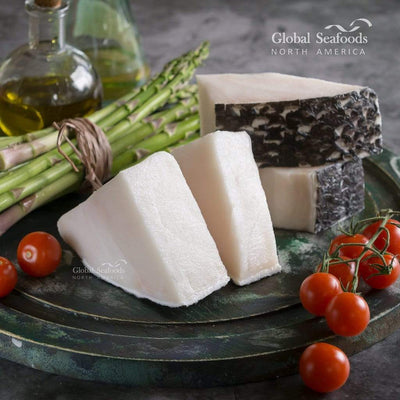
Chilean Sea Bass is not a subtle fish. It is one of the fattiest fish in the ocean — a thick, white-fleshed, butter-soft fillet that melts in the mouth in a way that most fish simply don't. That richness is not an accident. It is the result of an extraordinary fat content: Chilean Sea Bass (Patagonian Toothfish, Dissostichus eleginoides) contains roughly 15–20 grams of fat per 100g serving, with a significant portion of that fat being long-chain omega-3 fatty acids (EPA and DHA). For comparison, salmon — the fish most people think of as the gold standard for omega-3 — contains 10–13g of fat per 100g. Chilean Sea Bass is richer.
This matters because the health effects of omega-3 fatty acids are dose-dependent: the more you consume (within reason), the more pronounced the benefits. And because Chilean Sea Bass is so extraordinarily rich in omega-3, a single weekly serving delivers a meaningful dose — enough to produce measurable changes in your body over time.
This article tracks what those changes look like, month by month, over a full year — starting from a baseline of no fish or seafood in your diet at all. The changes are both visible and invisible. Some happen quickly. Others take months to compound into something you can feel. All of them are real.
🔗 Shop Chilean Sea Bass at Global Seafoods
The Nutritional Foundation: What You're Getting in One Serving
| Nutrient | Per 100g Chilean Sea Bass | Why It Matters |
|---|---|---|
| Calories | ~165 kcal | Moderate; the fat content makes it satisfying |
| Protein | ~16g | Complete protein; all essential amino acids |
| Total fat | ~15–20g | One of the highest fat contents of any fish |
| Omega-3 (EPA+DHA) | ~1,500–2,000mg | Exceeds the AHA's recommended weekly minimum in a single serving |
| Vitamin D | ~60–70% DV | Bone health; mood regulation; immune function |
| Vitamin B12 | ~45% DV | Red blood cell production; nervous system |
| Selenium | ~50% DV | Antioxidant; thyroid function; immune defense |
| Phosphorus | ~25% DV | Bone density; cellular energy (ATP) |
| Potassium | ~10% DV | Blood pressure regulation; muscle function |
A single 150–200g serving of Chilean Sea Bass — a typical restaurant portion — delivers 2,250–4,000mg of omega-3 fatty acids. The American Heart Association recommends a minimum of 500mg of EPA+DHA per day for general health, and 1,000mg per day for people with existing cardiovascular disease. One serving of Chilean Sea Bass per week exceeds the weekly minimum for most people and approaches the therapeutic dose for cardiovascular protection.
The Starting Point: A Body Without Seafood
If you've been eating no fish or seafood, your body is almost certainly omega-3 deficient. This is not a dramatic medical condition — it's a quiet, pervasive insufficiency that affects the majority of people in Western countries who don't regularly eat fatty fish. The effects are subtle but cumulative: slightly elevated systemic inflammation, slightly less efficient cardiovascular function, slightly slower cognitive performance, slightly drier skin, slightly stiffer joints. Nothing that feels like a crisis. Everything that compounds over years into something significant.
The omega-3 to omega-6 ratio in the typical Western diet is approximately 1:15 to 1:20 — meaning people consume 15 to 20 times more omega-6 (found in vegetable oils, processed foods, grain-fed meat) than omega-3. The optimal ratio for human health is closer to 1:4. This imbalance is one of the primary drivers of chronic inflammation in the modern diet. Adding Chilean Sea Bass once a week begins to correct this imbalance from the first serving.
Months 1–2: The Invisible Foundation
In the first two months, almost nothing is visible. But the biochemistry is already changing.
Omega-3 Begins Incorporating Into Cell Membranes
EPA and DHA from Chilean Sea Bass don't just circulate in the blood — they incorporate into the phospholipid bilayer of every cell membrane in your body. This process takes weeks to months to reach meaningful levels, but it begins immediately. As omega-3 levels in cell membranes rise, cells become more fluid and responsive — better at communicating with each other, better at regulating inflammation, better at performing their basic functions.
The first measurable change is typically in blood triglyceride levels. Omega-3 fatty acids are among the most potent natural triglyceride-lowering agents known — more effective than most dietary interventions. Within 4–8 weeks of consistent weekly consumption, people with elevated triglycerides (a common condition in those who eat no fish) typically see a measurable reduction. This is happening invisibly, in your blood, before you feel anything.
Inflammation Begins to Quiet
EPA, in particular, is a precursor to anti-inflammatory eicosanoids — signaling molecules that regulate the body's inflammatory response. As EPA levels rise in cell membranes, the balance of eicosanoid production shifts away from pro-inflammatory signals and toward anti-inflammatory ones. This is a slow process, but by weeks 6–8, people who had elevated baseline inflammation (common in those eating a typical Western diet with no seafood) may begin to notice: slightly less joint stiffness in the morning, slightly faster recovery from exercise, a subtle reduction in the low-grade aches that most people attribute to aging or stress.
Vitamin D Deficiency Begins to Correct
Vitamin D deficiency is extraordinarily common — estimated to affect 40–50% of adults in the United States, with higher rates in northern latitudes and among people who spend limited time outdoors. Chilean Sea Bass is one of the richest dietary sources of Vitamin D available, providing 60–70% of the daily recommended value per serving. Within the first 4–8 weeks of weekly consumption, people who were previously deficient begin to see their Vitamin D levels rise. The effects are subtle at first: slightly more consistent energy, slightly better mood, slightly improved sleep quality. These are not dramatic changes — but they are real, and they are the beginning of something larger.
Months 3–4: The First Visible Changes
By the third month, the cumulative effect of 12–16 servings of Chilean Sea Bass begins to produce changes you can see and feel.
Skin Quality Improves Noticeably
This is typically the first visible change people notice, and it is one of the most consistent findings in omega-3 research. The skin is the body's largest organ, and it is highly responsive to omega-3 status. DHA is a structural component of skin cell membranes; EPA regulates oil production and reduces inflammatory skin conditions. As omega-3 levels rise in skin cell membranes over 3–4 months, the effects become visible: skin that is more hydrated and supple (omega-3 strengthens the skin barrier, reducing transepidermal water loss); reduced redness and inflammation; improvement in conditions like eczema, psoriasis, and acne in people who have them; and a subtle but real improvement in skin texture and tone that people who know you will notice before you do.
The fat content of Chilean Sea Bass is particularly relevant here. The high levels of DHA in this fish — higher than most other fish — mean that the skin benefits are more pronounced than you'd get from a leaner fish with lower omega-3 content.
Joint Comfort Improves
By months 3–4, people with joint discomfort — particularly those with mild arthritis or exercise-related joint inflammation — typically report meaningful improvement. The mechanism is well-established: EPA and DHA reduce the production of prostaglandins and leukotrienes, the inflammatory mediators that cause joint pain and stiffness. Clinical studies have shown that omega-3 supplementation at doses equivalent to 1–2 servings of fatty fish per week produces significant reductions in joint pain scores in people with rheumatoid arthritis. For people without diagnosed arthritis, the effect is subtler but still real: less morning stiffness, better range of motion, faster recovery after physical activity.
Energy and Mood Stabilize
By months 3–4, the combined effect of corrected Vitamin D deficiency, improved cellular function from omega-3 incorporation, and better B12 status produces a change in energy and mood that most people describe as "feeling more like themselves." Not a dramatic transformation — more like the removal of a low-grade drag that they hadn't fully noticed until it was gone. More consistent energy through the day. Less afternoon fatigue. Slightly better mood stability. Slightly better sleep quality. These are the effects of a body that is better nourished at the cellular level.
Months 5–6: The Cardiovascular System Responds
By the halfway point of the year, the cardiovascular benefits of regular Chilean Sea Bass consumption are becoming measurable — the kind of changes that show up in a blood panel.
Triglycerides Drop Significantly
If you had elevated triglycerides at the start (common in people eating a typical Western diet with no seafood), they have likely dropped meaningfully by month 5–6. The omega-3 fatty acids in Chilean Sea Bass reduce triglyceride synthesis in the liver and increase triglyceride clearance from the blood. Clinical studies consistently show 20–50% reductions in triglycerides with regular fatty fish consumption — reductions that are comparable to prescription triglyceride-lowering medications, without the side effects.
Blood Pressure Improves
EPA and DHA have a mild but consistent blood pressure-lowering effect, mediated through multiple mechanisms: improved endothelial function (the inner lining of blood vessels becomes more responsive and flexible), reduced arterial stiffness, and a slight reduction in the production of vasoconstrictive compounds. The effect is modest — typically a reduction of 2–5 mmHg in systolic blood pressure — but meaningful at a population level and cumulative over time.
HDL Cholesterol Rises
Regular consumption of fatty fish is associated with modest increases in HDL ("good") cholesterol — the cholesterol that removes LDL from the arteries and transports it to the liver for disposal. Higher HDL is one of the most reliable predictors of reduced cardiovascular risk. The effect is not dramatic from a single weekly serving, but it is real and it compounds over months.
Months 7–9: The Brain Responds
DHA is the primary structural fat of the human brain — approximately 60% of the brain's dry weight is fat, and DHA is the dominant fatty acid in neuronal cell membranes. A brain that is DHA-deficient is a brain that is not functioning at its best. By months 7–9 of weekly Chilean Sea Bass consumption, the DHA content of neuronal membranes has risen meaningfully, and the effects become noticeable.
Cognitive Performance Improves
The changes are subtle but consistent: better concentration and focus; faster information processing; improved working memory (the ability to hold and manipulate information in the short term); and better mood stability. These are not the dramatic cognitive improvements of a pharmaceutical intervention — they are the quieter improvements of a brain that has better access to the structural material it needs to function well. People who work in cognitively demanding jobs often notice this first: the ability to sustain focus for longer periods, the reduction in the mental fatigue that accumulates over a long workday.
Depression Risk Decreases
The relationship between omega-3 status and depression is one of the most robust findings in nutritional psychiatry. DHA and EPA are involved in the synthesis and regulation of serotonin, dopamine, and other neurotransmitters that regulate mood. Countries with high per-capita fish consumption consistently show lower rates of depression. Clinical studies have shown that omega-3 supplementation at doses equivalent to 1–2 servings of fatty fish per week produces significant reductions in depressive symptoms in people with mild to moderate depression. For people without diagnosed depression, the effect is a subtle but real improvement in mood stability and emotional resilience.
Months 10–12: The Long-Game Benefits Compound
By the end of the year, you are experiencing the cumulative effect of 48–52 servings of one of the most nutrient-dense fish in the ocean. The changes at this stage are the most significant and the hardest to attribute to any single meal — because they are the result of everything that came before.
Bones Are Measurably Stronger
The combination of Vitamin D (which enables calcium absorption) and phosphorus (which is incorporated into bone mineral) from a year of weekly Chilean Sea Bass consumption has contributed meaningfully to bone density maintenance. This is not a change you will see in the mirror — but it is one of the most important long-term benefits of the habit. Bone density peaks in the late 20s and early 30s and declines thereafter; the nutritional habits you build in your 30s, 40s, and 50s determine your bone health in your 60s, 70s, and beyond.
Systemic Inflammation Is Measurably Lower
After a year of weekly omega-3 intake from Chilean Sea Bass, the omega-3 to omega-6 ratio in your cell membranes has shifted meaningfully toward the healthier end of the spectrum. Markers of systemic inflammation — C-reactive protein (CRP), interleukin-6, tumor necrosis factor-alpha — are measurably lower than they were at the start. This matters because chronic low-grade inflammation is the underlying mechanism of most of the major diseases of modern life: cardiovascular disease, type 2 diabetes, Alzheimer's disease, and several cancers. Reducing it is one of the most important things you can do for your long-term health.
Thyroid Function Is Optimized
Chilean Sea Bass is a meaningful source of selenium — a mineral that is essential for the conversion of inactive thyroid hormone (T4) to active thyroid hormone (T3). Selenium also protects the thyroid gland from oxidative damage. After a year of weekly consumption, selenium status has improved meaningfully, and thyroid function — which regulates metabolism, energy, body temperature, and hormone balance — is operating more efficiently. The effects are subtle but pervasive: slightly better metabolic efficiency, slightly more consistent energy, slightly better ability to manage weight.
The Summary: Visible vs. Invisible Changes After 12 Months
| Visible Changes | Invisible Changes |
|---|---|
| Noticeably better skin (hydration, texture, tone) | Triglycerides reduced 20–50% |
| Reduced joint stiffness and inflammation | Systemic inflammation measurably lower (CRP, IL-6) |
| More consistent energy; less afternoon fatigue | HDL cholesterol modestly higher |
| Better mood stability and emotional resilience | Blood pressure slightly lower |
| Improved cognitive focus and concentration | Stronger bones (Vitamin D + phosphorus) |
| Possible improvement in skin conditions (eczema, acne) | Better thyroid function and metabolic efficiency |
| DHA incorporated into neuronal membranes (brain structure improved) | |
| Omega-3:omega-6 ratio shifted toward optimal |
Is It Worth It? The Honest Answer
Chilean Sea Bass is expensive. A premium fillet costs more per pound than most other fish. One serving per week for a year is a meaningful investment.
Here is the honest case for it: the omega-3 content of Chilean Sea Bass is so high that a single weekly serving delivers more EPA+DHA than most people get from an entire week of eating other fish. You are not paying for a luxury experience — you are paying for one of the most concentrated sources of the specific nutrients that produce the changes described in this article. The cost per gram of omega-3 delivered, compared to pharmaceutical-grade fish oil supplements, is competitive. And unlike a supplement, you are also getting complete protein, Vitamin D, B12, selenium, and phosphorus in a form that is bioavailable and genuinely delicious.
The question is not whether Chilean Sea Bass is worth the price. The question is whether the changes described in this article — better skin, less inflammation, better cardiovascular markers, better brain function, stronger bones — are worth one meal per week. For most people, the answer is yes.
How to Cook Chilean Sea Bass: Simple Preparations That Let the Fish Speak
Chilean Sea Bass is one of the most forgiving fish to cook — the high fat content means it is almost impossible to dry out, and it pairs beautifully with simple preparations that let the natural richness of the fish come through.
- Pan-seared with lemon and capers (12 min): Pat fillets dry; season with salt and white pepper; sear in a hot oven-safe pan with a neutral oil 3–4 minutes until golden; flip; finish in a 400°F oven for 5–6 minutes. Finish with a squeeze of lemon and a handful of capers. The simplest preparation and one of the best.
- Miso-glazed Chilean Sea Bass (15 min): Mix 3 tbsp white miso, 2 tbsp mirin, 1 tbsp sake, 1 tsp sugar; marinate fillets for 30 minutes (or up to 24 hours in the fridge); broil 8–10 minutes until the glaze is caramelized and the fish is just cooked through. The Japanese preparation that made this fish famous in fine dining.
- Baked with herbs and olive oil (20 min): Place fillets in a baking dish; drizzle generously with olive oil; top with fresh thyme, rosemary, sliced garlic, and lemon zest; bake at 375°F for 15–18 minutes. The fat content of the fish means it stays moist and tender even at longer cooking times.
🔗 Shop Chilean Sea Bass at Global Seafoods | 🔗 Whitefish Collection
🎥 Watch Chilean Sea Bass cooking tutorials on the Global Seafoods YouTube Channel
FAQs: Chilean Sea Bass and Your Health
Q1: Why is Chilean Sea Bass so high in fat compared to other fish?
Chilean Sea Bass (Patagonian Toothfish) lives in the deep, cold waters of the Southern Ocean, around Antarctica and the southern tip of South America, at depths of 300–3,500 meters. At these depths, water temperatures are near freezing year-round. Fish that live in cold, deep water accumulate high levels of fat — particularly omega-3 fatty acids — as an adaptation to the cold (omega-3 fats remain fluid at low temperatures, keeping cell membranes functional). The same adaptation that makes Chilean Sea Bass extraordinarily rich in omega-3 is what gives it its characteristic buttery texture and rich flavor. It is the same reason that salmon, mackerel, and sardines — all cold-water fish — are higher in omega-3 than warm-water species.
Q2: Is Chilean Sea Bass safe to eat once a week? What about mercury?
Chilean Sea Bass contains moderate levels of mercury — higher than salmon or cod, but lower than swordfish, shark, or king mackerel. The FDA classifies Chilean Sea Bass as a "good choice" for fish consumption — safe to eat once a week for most adults. Pregnant women and young children should limit consumption to once a week or less, consistent with FDA/EPA guidelines. For healthy adults eating one serving per week, the mercury exposure is well within safe limits and the health benefits of the omega-3 content substantially outweigh the mercury risk. If you are concerned about mercury, discuss with your doctor — but for most people, once-weekly consumption is safe and beneficial.
Q3: How does Chilean Sea Bass compare to salmon for omega-3?
Chilean Sea Bass is comparable to or slightly higher in omega-3 than Atlantic salmon, and significantly higher than most other fish. A 100g serving of Chilean Sea Bass provides approximately 1,500–2,000mg of EPA+DHA; a 100g serving of Atlantic salmon provides approximately 1,500–2,500mg (farmed salmon tends to be higher due to the fat content of the feed). Wild salmon is typically 1,000–1,500mg per 100g. Chilean Sea Bass and salmon are in the same tier for omega-3 content — both are among the richest sources available. The difference is in flavor profile: Chilean Sea Bass has a more delicate, buttery flavor and a firmer texture that many people prefer, particularly those who find salmon's flavor too strong.
Q4: What is the best way to cook Chilean Sea Bass to preserve its omega-3 content?
Omega-3 fatty acids are relatively heat-stable but can be degraded by very high heat and prolonged cooking. The best methods for preserving omega-3 content: Baking at moderate temperature (350–400°F): Gentle, even heat; minimal omega-3 loss; the high fat content of Chilean Sea Bass means it stays moist. Pan-searing: Brief high heat on the surface; the interior cooks at a lower temperature; good omega-3 retention. Steaming or poaching: The gentlest methods; maximum omega-3 retention; produces a very delicate texture. Avoid: Deep-frying at very high temperatures for extended periods — this degrades omega-3 more than other methods. The most important rule: don't overcook. Chilean Sea Bass is done when it flakes easily and the interior is just opaque. The high fat content means it stays moist even slightly past done, but the omega-3 content is best preserved at lower internal temperatures (125–130°F / 52–54°C).
Related Products


Also in News

King Crab Legs Delivery: Is It Worth It? Exploring the Benefits and Best Options

Understanding Beluga Caviar Price: What Makes It So Expensive?

How to Grill King Crab Legs Like a Pro – Easy Step-by-Step Instructions
Shop Now
Main
