
Pacific Whiting (Pacific Hake): Complete West Coast Guide

Pacific Whiting (Pacific Hake): A Practical Guide
Pacific Whiting, also called Pacific Hake (Merluccius productus), is a wild West Coast whitefish known for mild flavor, delicate texture, and good value. It is softer than Pacific Cod, so careful handling and shorter cooking times usually produce the best result.
Shop Pacific Whiting | Pacific Whiting Nutrition Guide | Pacific Whiting vs. Pacific Cod | Pacific Whiting Surimi
What Is Pacific Whiting?
Pacific Whiting is a hake species in the family Merlucciidae. The fish supports a major commercial fishery off the Pacific coast of North America and is widely used for frozen seafood products and surimi as well as home cooking.
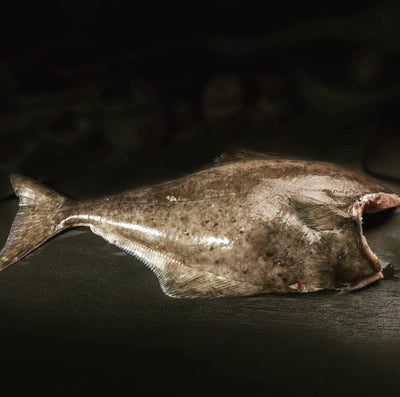
One useful distinction for shoppers: the Pacific Whiting sold by Global Seafoods is frozen HGT product with the head, viscera, and tail removed, not a ready-cut retail fillet. After refrigerator thawing, the fish can be portioned or filleted according to the recipe.
A Two-Generation Pacific Hake Story
Pacific Hake is more than a product in our catalog. It is part of our family's seafood history on the West Coast.
In the mid-1970s, my father, Nikolai Nikitenko, took part in a Soviet hake expedition off the west coast of North America. He recalled large Soviet factory and processing vessels working offshore for two to three months at a time and receiving Pacific Hake from local fishermen. The processed fish was destined largely for markets in the Soviet Union. This is a family recollection from a participant in that fishery, rather than a claim that every vessel or season operated in exactly the same way.
From Canadian Catcher Boats to Floating Factories
My own direct experience came later in British Columbia. Before 1994, Polish companies were among the foreign processors placing factory vessels in the Canadian Pacific Hake joint-venture fishery. In 1994, Richardson International won the Canadian joint-venture processing contract for that season and placed a processing vessel. In my direct experience, Richardson participated that one time. After Richardson, our company, Far East Maritime Agency, won the contract and placed processing vessels in British Columbia in subsequent seasons. Far East Maritime Agency was later renamed Global Seafoods North America.
The division of work was unusual compared with a conventional shoreside fishery. Canadian catcher vessels harvested Pacific Hake by trawl. After the catch was concentrated in the codend—the fish-holding end of the trawl—the codend was kept at the surface and brought alongside the processing vessel. The factory vessel lifted the codend aboard, discharged the fresh hake, and moved the fish directly into processing. The Canadian vessels did the harvesting while the large processors functioned as floating factories.
We produced several products from this fish, including surimi and frozen hake fillet blocks. In my experience during the 1990s, France was an important market for the fillet blocks. HGT Pacific Hake also became an important format for markets in the former Soviet republics. The mix of products and markets changed by season, processor, and buyer.
Why Such a Large Hake Resource Needed Processing Capacity and Export Markets
One of the central commercial problems was not a shortage of fish. In my experience, Pacific Hake was available in enormous volume, while the local market was not developed enough to absorb that volume and Canadian shoreside processors were not equipped to handle it at that scale. Offshore joint ventures helped bridge that gap: Canadian catcher vessels harvested the resource, while large foreign factory vessels supplied processing capacity and access to established export markets.
The U.S. side of the industry also changed rapidly during the 1990s as shoreside Pacific Whiting processing expanded, especially for surimi. But a large resource did not automatically create a stable high-value market. Traditional HGT and fillet outlets remained more limited, product economics changed, and the West Coast processing sector went through repeated restructuring. The Canadian offshore joint-venture model later declined; NOAA's 2022 Pacific Hake stock assessment reports that the last Canadian joint-venture fishery was conducted in 2018.
Why Pacific Hake Can Be Difficult to Process
Pacific Hake has a well-known processing challenge: some fish can develop severe post-mortem softening caused by proteolytic enzyme activity associated with Kudoa infection. In the seafood trade this can appear as unusually soft or degraded flesh after death. It is not accurately described simply as a bacterial problem. Rapid, careful handling, chilling, and processing are especially important when the fish is intended for higher-value products such as fillets.
Why Pacific Whiting Surimi Is Technically Difficult
The same proteolytic problem becomes especially important in surimi. Surimi depends on fish proteins forming a strong, elastic gel. In Pacific Whiting, proteases can break down those proteins and weaken gel strength, making the species substantially more difficult to process into stable surimi than the size of the resource might suggest.
Historically, bovine plasma protein was one of the effective protease-inhibitor systems used with Pacific Whiting surimi. It was valued because it could suppress autolysis and improve gel formation. The use of bovine-derived plasma was later discontinued in much of the industry amid BSE-related food-safety concerns, restrictions, and market acceptance problems. I remember this change as a major practical issue for surimi processors in the early 2000s, particularly in Asian markets; exact rules and timing differed by market, so I do not treat Korea and Japan as having had identical regulations.
Food-science research and industry literature have documented alternatives such as dried egg white and whey proteins as protease-inhibiting or gel-supporting ingredients, along with tighter control of raw-material freshness and heating. These should not be read as a claim that every current processor uses the same formula. Surimi formulations are processor-specific, and the commercial technology continues to evolve.
For a deeper technical explanation of proteolysis, gel strength, bovine plasma, alternative inhibitor systems and heating technology, read our Pacific Whiting Surimi: Processing Challenges, Gel Strength & Industry History.
From my experience in the West Coast industry, the history of Pacific Hake is therefore as much a story about markets and processing technology as it is about fishing. An enormous resource only becomes commercially valuable when processors can turn it into products that buyers actually want.
What Does Pacific Whiting Taste Like?
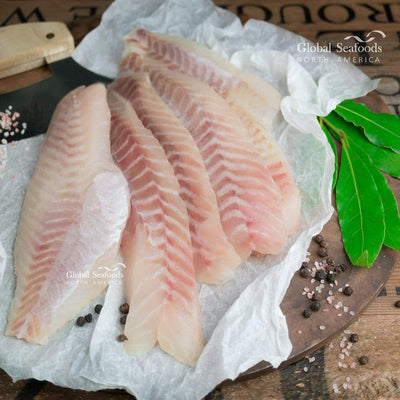
The flavor is clean, mild, and slightly sweet. The flesh is tender and soft-flaking rather than dense and firm. That makes Pacific Whiting especially useful for fish tacos, fish cakes, soups, chowders, baking, pan-frying, and other preparations where a delicate whitefish works well.
Because the flesh is softer than cod or halibut, avoid excessive handling and overcooking. If you want a detailed side-by-side comparison, see our Pacific Whiting vs. Pacific Cod guide.
How to Thaw and Prepare Pacific Whiting
Thaw frozen Pacific Whiting in the refrigerator. Once thawed, keep it refrigerated and use it promptly. Since our product is HGT rather than pre-cut fillets, remove the backbone and remaining bones as appropriate for your recipe, or cut the fish into portions before cooking.
For food safety, cook finfish to an internal temperature of 145°F (63°C), or until the flesh is opaque and separates easily with a fork.
Best Ways to Cook Pacific Whiting
Pan-Fried Pacific Whiting
Portion or fillet the thawed fish and pat it dry. Season lightly. A thin coating of flour or cornmeal can help protect the delicate surface. Cook in a lightly oiled skillet until opaque and cooked through, turning carefully.
Baked Pacific Whiting with Lemon and Herbs
Place prepared portions in a baking dish, add a small amount of olive oil or butter, lemon, herbs, salt, and pepper, and bake just until cooked through. Start checking early because thin portions cook quickly.
Pacific Whiting Fish Tacos
Cook seasoned portions by pan-frying or baking, then flake the meat and check carefully for bones. Serve in warm tortillas with cabbage, lime, avocado, salsa, or crema.
Pacific Whiting Chowder
Prepare potatoes, onion, and other vegetables in stock first. Add bite-size pieces of Whiting near the end and simmer gently until cooked. Avoid a hard boil, which can break delicate fish into small pieces.
Pacific Whiting Fish Cakes
Cook the fish, remove any remaining bones, and flake it. Combine with potato or breadcrumbs, herbs, seasoning, and a binder, form patties, chill briefly, then pan-cook until browned and heated through.
Pacific Whiting Nutrition
Pacific Whiting is a lean, protein-rich whitefish. It contains omega-3 fatty acids, but it should not be presented as an omega-3 equivalent to fatty fish such as salmon. NOAA's current species profile lists a 100-gram raw serving at about 90 calories, 18.3 grams of protein, 1.3 grams of fat, and 32.1 micrograms of selenium. For detailed nutrition comparisons and health-related questions, use our separate Pacific Whiting Nutrition Guide.
How to Buy Pacific Whiting
Check the species, product form, weight, frozen condition, and seller's cold-chain shipping information. Do not assume every Whiting listing is a fillet: product formats can include whole or dressed fish, HGT, fillets, blocks, and processed products.
Global Seafoods currently offers Pacific Whiting in 5 lb and 10 lb orders. The product page is the best source for current price, availability, packing, and shipping options.
Frequently Asked Questions
Is Pacific Whiting the same as Pacific Hake?
Yes. Pacific Whiting and Pacific Hake are common names for Merluccius productus. Other fish called hake or whiting can be different species.
Is Pacific Whiting a cod?
No. Pacific Whiting is a hake in the family Merlucciidae. Cod belongs to a different family, Gadidae, although both are whitefish in the order Gadiformes.
Is Pacific Whiting firm or soft?
It is relatively soft and delicate compared with Pacific Cod or halibut. Gentle handling and avoiding overcooking are important.
Is the Global Seafoods Pacific Whiting product filleted?
No. The current product is sold frozen in HGT form with the head, viscera, and tail removed. It can be portioned or filleted after thawing.
What is the best way to cook Pacific Whiting?
Baking, careful pan-frying, tacos, chowder, and fish cakes all work well. Choose a method that does not require prolonged cooking or rough handling.
Where can I buy Pacific Whiting?
See the current Global Seafoods Pacific Whiting product page for availability and shipping options.
Bottom Line
Pacific Whiting is best understood as an affordable, mild, delicate West Coast whitefish. Its softer texture is a characteristic of the species and should guide how it is thawed, cut, and cooked. Its unusual processing history—from offshore factory vessels and HGT exports to surimi and fillet blocks—also explains why this fish has occupied such a distinctive place in the West Coast seafood industry.
Related Pacific Whiting Guides
Continue with our Pacific Whiting cooking guide, nutrition guide, buying and storage guide, Pacific Whiting vs. Pacific Cod, whitefish comparison, Pacific Whiting surimi guide, or our grilled Pacific Whiting guide.
Ready to order? See the current Pacific Whiting product page for sizes, availability, and shipping.
Watch seafood handling, cutting, and cooking videos: Global Seafoods on YouTube.



Related Products


Also in News
History of Alaska Pollock: How One Fish Built a Global Seafood Industry
Alaska Pollock vs Russian Pollock: How Processing Changes the Product

What Is Alaska Pollock? The Whitefish Millions of Americans Already Know
Shop Now
Main
