
Crafting the Perfect Salmon Poke Bowl at Home

The Ultimate Guide to Making the Perfect Salmon Poke Bowl
Salmon poke bowls have become a global sensation, offering a fresh, flavorful, and nutritious way to enjoy seafood. Whether you've had poke at your favorite restaurant or are trying it for the first time, learning how to make a salmon poke bowl at home will allow you to customize the ingredients, flavors, and toppings to suit your taste.
This guide walks you through everything you need to know about making a perfect poke bowl — from selecting the best salmon to preparing delicious toppings and sauces.
What is Poke?
Poke (pronounced poh-KAY) is a Hawaiian dish that features cubed raw fish, traditionally served over a bed of rice and topped with a variety of fresh ingredients. The word poke means "to slice" or "cut crosswise into pieces" in Hawaiian, reflecting the simple yet delicious preparation of the dish.
Traditional Hawaiian poke was made with ahi tuna, seasoned simply with sea salt, seaweed, and kukui nut. The modern poke bowl — with its rice base, diverse toppings, and sauces — evolved in Hawaii in the 1970s and spread globally in the 2010s. Salmon poke has grown particularly popular due to its buttery texture, rich flavor, and wide availability of sushi-grade salmon.
Step 1: Choosing the Best Salmon for Poke
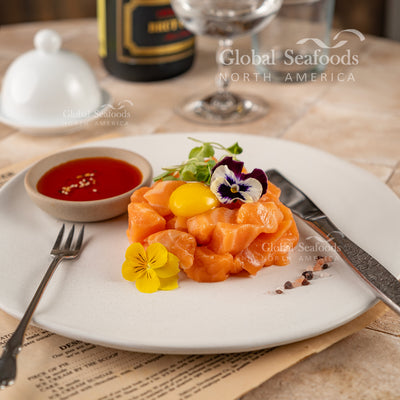
The most important ingredient in a salmon poke bowl is the salmon itself. Since poke is eaten raw, you must select high-quality, sushi-grade salmon to ensure safety and flavor.
How to Pick the Best Salmon for Poke
- Sushi-Grade Salmon – Always choose salmon labeled "sushi-grade" or "sashimi-grade"; this means the fish has been handled and frozen to FDA-recommended standards to eliminate harmful parasites. The FDA recommends freezing fish intended for raw consumption at -4°F (-20°C) for at least 7 days.
- Wild-Caught Salmon – Opt for wild-caught varieties like sockeye salmon or king salmon for superior texture, flavor, and nutritional profile; wild sockeye's deep red color and firm flesh make it particularly striking in a poke bowl
- Fresh and Firm – Fresh salmon should have vibrant color, a mild clean ocean scent, and firm flesh that springs back when pressed; avoid any salmon with a strong fishy smell or soft, mushy texture
Step 2: How to Cut Salmon for Poke
Proper slicing technique ensures the best texture for poke.
- Chill the salmon – Keep the fish refrigerated until you're ready to cut; cold salmon is easier to slice evenly and holds its shape better
- Use a sharp knife – A sharp, thin-bladed knife (a sushi knife or chef's knife) will create clean cuts without tearing the delicate flesh; a dull knife crushes the fish cells and ruins the texture
- Cut against the grain – Slice the salmon against the grain into ½-inch cubes for the perfect bite-sized pieces; cutting with the grain results in stringy, less appealing pieces
- Remove skin and bones – Ensure the salmon is completely deboned and skinless before cutting; run your fingers along the flesh to feel for pin bones and remove with tweezers or needle-nose pliers
Step 3: Make the Perfect Salmon Poke Marinade
A great poke marinade enhances the natural flavors of the salmon while adding depth and umami richness. Do not over-marinate — the acid and salt in the marinade will begin to "cook" the salmon if left too long, changing its texture.
Classic Poke Marinade Recipe
Ingredients:
- ¼ cup soy sauce (or tamari for gluten-free)
- 2 tablespoons sesame oil
- 1 tablespoon rice vinegar
- 1 teaspoon honey or maple syrup
- 1 clove garlic, minced
- 1 teaspoon grated fresh ginger
- ½ teaspoon red pepper flakes (optional, for heat)
- 1 tablespoon finely chopped scallions
Instructions:
- Whisk all ingredients together in a bowl until combined
- Add the cubed salmon and gently fold to coat evenly — do not stir vigorously or the cubes will break apart
- Cover and refrigerate for 15–20 minutes to allow the flavors to develop; do not marinate for more than 30 minutes
Step 4: Prepare Fresh and Flavorful Toppings
A poke bowl is all about the toppings. Choose a mix of textures, colors, and flavors for a perfectly balanced dish:
- Vegetables: Avocado, cucumber, edamame, shredded carrots, radishes, seaweed salad
- Fruits: Mango, pineapple, pomegranate seeds — fruit adds sweetness and acidity that balances the rich salmon
- Crunchy Additions: Toasted sesame seeds, sliced green onions, crispy shallots, crushed macadamia nuts, tempura flakes
- Flavor Enhancers: Nori strips, pickled ginger, wasabi, furikake seasoning
Step 5: Cook the Perfect Rice for Poke
Poke bowls are traditionally served over steamed rice, but you can customize your base:
- Sushi Rice – The classic choice; short-grain Japanese rice lightly seasoned with rice vinegar, sugar, and salt for a slightly sweet and tangy taste that complements the marinade
- Brown Rice – A healthier, fiber-rich option with a nutty flavor; takes longer to cook but adds nutritional value
- Quinoa – A high-protein, gluten-free alternative that pairs well with poke; has a slightly earthy flavor that works well with the sesame-soy marinade
- Mixed Greens – For a grain-free, low-carb option; use a base of arugula or mixed greens for a lighter bowl
Cooking Tip: Let the rice cool slightly before assembling your bowl — warm rice will make the raw salmon lose its firm texture and begin to cook from the heat.
Step 6: Assemble the Ultimate Salmon Poke Bowl
- Start with a base – Add cooked sushi rice, brown rice, or quinoa to a bowl; use approximately 1 cup of cooked rice per serving
- Layer the marinated salmon – Arrange the cubed salmon in the center or one section of the bowl
- Add toppings – Place avocado, cucumber, edamame, radishes, and mango in separate sections around the salmon for a visually striking presentation
- Garnish – Sprinkle with toasted sesame seeds, nori strips, and green onions
Pro Tip: Arrange ingredients in separate sections rather than mixing them — this creates a beautiful presentation and allows each person to mix their own bowl at the table.
Step 7: Drizzle with Sauce
A delicious sauce takes your poke bowl to the next level. Here are the three most popular options:
- Spicy Mayo: Mix 2 tbsp mayo + 1 tsp sriracha (adjust to taste) for a creamy, spicy kick; add a few drops of sesame oil for extra depth
- Ponzu Sauce: Blend soy sauce + citrus juice (lemon or lime) in a 2:1 ratio for a bright, tangy flavor; add a splash of mirin for sweetness
- Wasabi Aioli: Combine 2 tbsp mayo + ½ tsp wasabi paste + 1 tsp lemon juice for a bold, creamy twist
Drizzle your chosen sauce over the assembled bowl just before serving. Start with a small amount — you can always add more, but you can't take it away.
Step 8: Enjoy Your Homemade Salmon Poke Bowl
Your fresh, delicious poke bowl is now ready. Take a moment to admire the vibrant presentation before mixing all the ingredients together. Each bite will be a perfect balance of creamy, crunchy, and umami flavors.
Perfect Pairings: Iced green tea (refreshing and antioxidant-rich), chilled Sauvignon Blanc or Pinot Gris (pairs beautifully with the rich salmon and citrus notes), or sparkling citrus water for a light, palate-cleansing option.
Conclusion: Why Make Your Own Poke Bowl?
- Fresh, high-quality ingredients you control from source to bowl
- Complete control over flavors, nutrition, and portion size
- Endless customization options for dietary preferences (gluten-free, low-carb, dairy-free)
- A fun and creative cooking experience that takes less than 30 minutes
Making a poke bowl at home is simple, delicious, and rewarding. Whether you're looking for a healthy meal, a quick lunch, or an impressive dish for guests, this step-by-step recipe ensures restaurant-quality results every time.
Watch more seafood recipes and tips on Global Seafoods YouTube
Frequently Asked Questions (FAQs)
Q: Is it safe to eat raw salmon in a poke bowl?
A: Yes, if you use sushi-grade salmon that has been properly frozen. The FDA recommends freezing fish intended for raw consumption at -4°F (-20°C) for at least 7 days to destroy parasites. Look for salmon labeled "sushi-grade" or "previously frozen" from a reputable supplier. Wild Alaskan salmon is generally lower risk than some other species, but the freezing requirement still applies. Never use fresh salmon from a grocery store that has not been frozen to sushi-grade standards for raw consumption.
Q: What is the difference between poke and ceviche?
A: Both are raw fish dishes, but they are prepared very differently. Poke is marinated in a soy-sesame based sauce for a short time (15–20 minutes) and the fish remains raw throughout. Ceviche uses citrus juice (lime or lemon) to chemically "cook" the fish through acid denaturation — the fish is left in the citrus for 15–30 minutes (for a lightly cured texture) or longer (for a fully "cooked" texture). Poke has an umami, savory flavor profile; ceviche has a bright, acidic flavor profile.
Q: Can I make a poke bowl ahead of time?
A: Partially. You can prepare the rice, chop the vegetables, and make the sauces up to 24 hours ahead and store them separately in the refrigerator. However, the marinated salmon should be prepared no more than 30 minutes before serving — longer marination changes the texture of the fish. Assemble the bowl just before eating for the best texture and presentation.
Q: What can I substitute for soy sauce in poke?
A: Tamari is the best substitute — it is gluten-free and has a very similar flavor to soy sauce. Coconut aminos is another popular option that is both gluten-free and lower in sodium, with a slightly sweeter flavor. For a completely different flavor profile, try a miso-based marinade (white miso + mirin + a splash of rice vinegar) for a richer, more complex umami flavor.
Related Products


Also in Recipes

Marinated Crab Recipe – Easy, Flavorful, and Perfect for Seafood Lovers

How to Cook Live Manila Clams at Home: Fresh, Sweet & Delivered Overnight
Discover how to store, clean, and cook Live Manila Clams at home using simple chef techniques. Learn why these Pacific clams are perfect for pasta vongole, steaming, chowders, and more — plus how to order them fresh in a convenient 10 lb bag shipped overnight.

Cooked Crab for Brunch: The Ultimate Guide to Morning Seafood
Discover the joy of crab for brunch! Learn how to prepare snow crab, king crab, and Dungeness crab in the morning, their health benefits, and easy recipes to make your brunch memorable.
Shop Now
Main
