
The Ultimate Guide to Oyster Pearls: Formation, Farming, and Value

Oyster Pearls: Nature’s Timeless Treasures
Oyster pearls have captivated humanity for centuries with their elegance and allure. These organic gemstones, formed by oysters, are a unique blend of nature’s craftsmanship and human ingenuity. But how exactly do they come into existence, and what makes them so valuable?
In this comprehensive guide, we explore the natural formation of pearls, the art of pearl farming, and the factors that influence their quality and value.
What Are Oyster Pearls?
Pearls are one of the few gemstones created by living organisms. They form inside the soft tissues of oysters or mollusks as a defense mechanism against irritants. Their smooth, lustrous appearance and rarity make them one of the most sought-after treasures in jewelry and adornment.
How Do Pearls Form Naturally?
Natural pearls are a result of an oyster's defense system. When a foreign object, such as a grain of sand or a parasite, enters the shell, it irritates the oyster’s soft tissue. To protect itself, the oyster secretes nacre—a combination of calcium carbonate and conchiolin—layer by layer over the irritant.
The Pearl Formation Process:
- Irritation: A foreign object infiltrates the oyster's mantle tissue.
- Nacre Secretion: The oyster coats the irritant with nacre to reduce discomfort.
- Growth: Over months or years, layers of nacre build up, resulting in a pearl.
Natural pearls are rare and can take anywhere from 5 to 20 years to form, making them highly prized.
The Art of Pearl Farming
To meet global demand, pearl farming replicates the natural process in a controlled environment. This practice, also known as aquaculture, involves implanting a nucleus (a bead or piece of tissue) into the oyster to stimulate nacre production.
Steps in Cultured Pearl Farming:
- Selection of Healthy Oysters: Only robust oysters are chosen for farming.
- Implantation of Nucleus: A technician carefully inserts the nucleus into the oyster’s mantle.
- Nacre Formation: The oyster secretes nacre over the nucleus, forming the pearl.
- Monitoring: Farmers monitor the oysters for health and nacre quality.
- Harvesting: Pearls are harvested after 6 months to 3 years, depending on the type.
Pearl farming has revolutionized the jewelry industry, providing a sustainable source of pearls while protecting wild oyster populations.
Types of Pearls
- Akoya Pearls: Classic and known for their perfect roundness and luster.
- Tahitian Pearls: Dark, exotic pearls with hues of black, green, and purple.
- South Sea Pearls: Large, luxurious pearls in white or golden shades.
- Freshwater Pearls: Affordable and versatile, often grown in rivers and lakes.
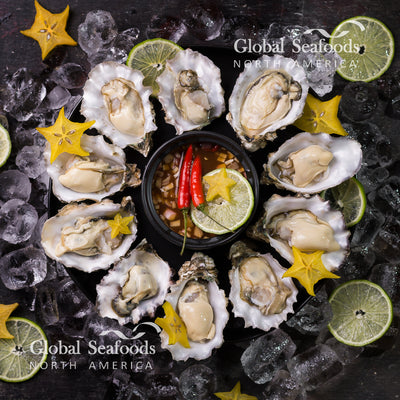
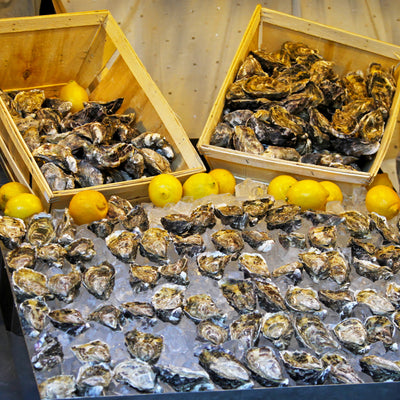
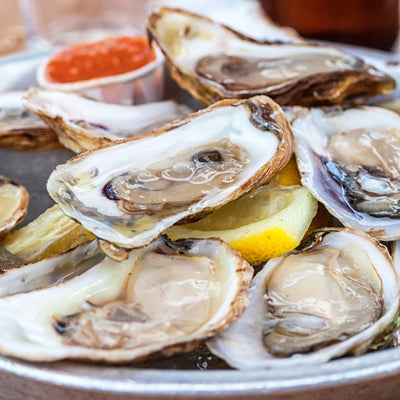
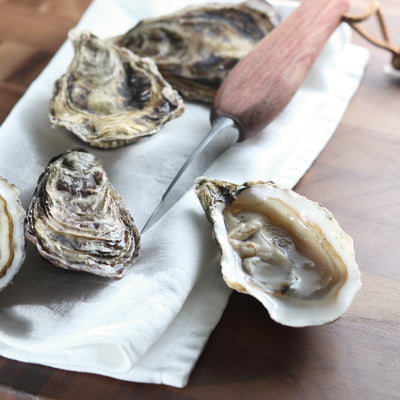
For high-quality oysters essential for pearl farming, explore Global Seafoods’ Oysters Collection.
How Long Does It Take to Grow a Pearl?
The time required for a pearl to grow depends on its type:
- Natural Pearls: 5 to 20 years.
-
Cultured Pearls: 6 months to 3 years.
- Akoya pearls: 8–16 months.
- South Sea pearls: 2–3 years for larger sizes.
- Freshwater pearls: 12–24 months.
The longer the nacre layers build, the larger and more lustrous the pearl becomes.
Factors Influencing Pearl Quality
According to the Gemological Institute of America (GIA), several factors determine a pearl’s quality:
- Luster: The reflection of light on the pearl’s surface.
- Size: Larger pearls are more valuable.
- Color: Includes body color, overtone, and iridescence.
- Shape: Round pearls are rare and highly prized.
- Surface: Fewer blemishes increase the pearl’s value.
Cultural and Historical Significance
Pearls have symbolized purity, elegance, and wealth for centuries. Ancient civilizations treasured them as rare gifts of the sea, and they remain timeless adornments in modern jewelry.
"Pearls are the only gem material formed within a living creature, making them both unique and alive in their beauty," says the American Gem Society (AGS).
Tips for Caring for Pearls
- Avoid Chemicals: Keep away from perfumes and cleaning agents.
- Clean Gently: Wipe with a soft cloth after use.
- Store Separately: Prevent scratches by storing pearls in a soft pouch.
Learn More About Oysters and Pearls
Explore the fascinating world of oysters and pearls through these products:
Watch & Learn
Get a closer look at oysters and their fascinating journey on the Global Seafoods YouTube Channel.
Call to Action: Shop Fresh Oysters Now!
Experience the world of pearls by exploring fresh oysters from Global Seafoods. Whether you’re learning about pearl formation or enjoying delicious seafood, our premium oysters bring the ocean’s treasures to your table.
Shop Now:
Also in News

Halibut Nutrition Facts: Everything You Need to Know

Crab vs. Lobster: Which is Healthier?

The Health Benefits of Ikura: What You Need to Know
Shop Now
Main
