
Seafood Market Trends: How Health-Conscious Consumers Are Shaping the Industry

Seafood Market Trends: How Health-Conscious Consumers Are Shaping the Industry
The seafood industry is undergoing a significant transformation, driven by a growing segment of health-conscious consumers who prioritize nutritional value, sustainability, and transparency in their food choices. These consumers are reshaping demand — influencing which species are popular, how seafood is sourced and certified, and how it reaches the table. This article covers the key trends shaping the seafood market and what they mean for consumers and the industry.
🔗 Fish Collection | 🔗 Featured Seafood
Trend 1: Growing Demand for Omega-3-Rich Fatty Fish
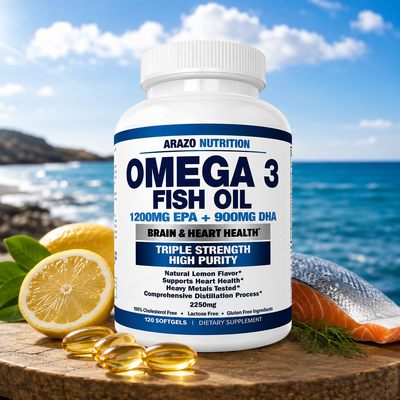
Health-conscious consumers are increasingly aware of the nutritional benefits of seafood — particularly the omega-3 fatty acids (EPA and DHA) found in fatty fish like salmon, mackerel, sardines, and sablefish. These essential fatty acids support cardiovascular health, brain function, and anti-inflammatory processes, and seafood is the primary dietary source. As awareness of omega-3 benefits grows, demand for fatty fish has increased significantly.
Salmon remains the most popular seafood in the US by volume, driven by its high omega-3 content, versatile culinary applications, and broad consumer familiarity. Beyond salmon, there is growing consumer interest in other high-omega-3 species: mackerel, herring, sardines, and sablefish (black cod) — all of which provide comparable or higher omega-3 levels than salmon at lower price points.
Seafood is also increasingly popular as a lean protein alternative to red meat, fitting into pescatarian, Mediterranean, and low-carb dietary patterns. The FDA's recommendation to eat 8–12 oz of low-mercury seafood per week has reinforced this trend, with more consumers actively trying to meet this target.
Trend 2: Sustainability Certifications and Responsible Sourcing
Sustainability has moved from a niche concern to a mainstream purchasing criterion. Health-conscious consumers are not only focused on their personal health but also on the health of marine ecosystems. They demand transparency about how their seafood was caught or farmed, and they are increasingly willing to pay a premium for certified sustainable products.
The two most widely recognized sustainability certifications in seafood are:
- Marine Stewardship Council (MSC): Certifies wild-caught seafood from fisheries that meet rigorous standards for sustainable fishing practices, stock health, and ecosystem impact. The MSC blue label is the most recognized sustainability mark for wild-caught seafood globally.
- Aquaculture Stewardship Council (ASC): Certifies farmed seafood from aquaculture operations that meet standards for environmental responsibility, social accountability, and animal welfare. The ASC label is the equivalent of MSC for farmed seafood.
Other relevant certifications include the Monterey Bay Aquarium's Seafood Watch ratings ("Best Choice," "Good Alternative," "Avoid"), which provide consumer-facing guidance on the sustainability of specific species and fishing methods. Consumers who check Seafood Watch ratings before purchasing are among the most engaged and informed seafood buyers.
Trend 3: Traceability and Supply Chain Transparency
Consumers increasingly want to know where their seafood comes from — the species, the catch location, the fishing method, and the handling chain from boat to table. This demand for traceability is being met through several technological approaches:
- Blockchain traceability: Blockchain technology allows every transaction and data point in the seafood supply chain to be recorded securely and immutably — from the moment the fish is caught to when it arrives at the consumer. This provides a verifiable, tamper-proof record of the seafood's origin, handling, and certification status. Several major seafood companies and retailers have implemented blockchain-based traceability systems.
- QR codes and mobile apps: Many seafood products now include QR codes that consumers can scan to access detailed information about the product's origin, sustainability certification, and supply chain. This technology makes traceability accessible to everyday consumers without requiring specialized knowledge.
- Country of origin labeling (COOL): US regulations require country of origin labeling for seafood sold at retail, providing consumers with basic information about where their seafood was caught or farmed.
Traceability is particularly important for combating seafood fraud — the mislabeling of seafood species, which studies have found to be widespread in the US restaurant and retail market. Consumers who demand traceability are better protected against fraud and more likely to receive the species they are paying for.
Trend 4: Online Seafood Shopping and Direct-to-Consumer Delivery
The shift to online grocery shopping has extended to seafood, with a growing number of consumers purchasing fresh and frozen seafood online. Direct-to-consumer seafood companies have grown significantly, offering consumers access to a wider variety of species, higher quality products, and more detailed sourcing information than is typically available at retail grocery stores.
Key advantages of online seafood shopping:
- Wider variety: Online retailers can offer species and cuts that are rarely available at local grocery stores — sablefish, geoduck, live sea urchin, premium caviar, and specialty items
- Sourcing transparency: Online seafood companies typically provide detailed information about the origin, fishing method, and sustainability of their products
- Freshness: Many online seafood companies ship overnight with dry ice or gel packs, delivering fresher product than what is available at most retail stores
- Convenience: Home delivery eliminates the need to visit a specialty seafood market
Trend 5: Seafood Subscription Services
Subscription-based seafood delivery services have grown in popularity, offering consumers regular deliveries of fresh or frozen seafood on a weekly or monthly basis. These services appeal to health-conscious consumers who want to incorporate more seafood into their diets consistently, without the friction of frequent shopping trips. Many subscription services offer rotating seasonal selections, recipe cards, and cooking tips, making it easier for consumers to explore a diverse range of species.
Shop Seafood
- 🔗 King Salmon — Highest omega-3 content of any salmon species
- 🔗 Sablefish (Black Cod) — Exceptional omega-3s; buttery flavor
- 🔗 Full Fish Collection
- 🔗 Featured Seafood
🎥 Watch seafood cooking tutorials on the Global Seafoods YouTube Channel
FAQs: Seafood Market Trends
Q1: Is seafood a good source of protein for health-conscious consumers?
Yes — seafood is one of the best protein sources available. Most seafood delivers 15–25g of complete protein per 3-oz serving at 80–150 calories, with a protein digestibility of approximately 95–98%. Fatty fish like salmon and mackerel also provide high-quality omega-3 fatty acids alongside the protein, making them particularly valuable for health-conscious consumers. Seafood is also lower in saturated fat than most red meat, fitting well into heart-healthy dietary patterns.
Q2: What are the most important sustainability certifications to look for when buying seafood?
The two most widely recognized certifications are the Marine Stewardship Council (MSC) for wild-caught seafood and the Aquaculture Stewardship Council (ASC) for farmed seafood. Both require third-party audits against rigorous standards for environmental impact, stock health, and responsible practices. The Monterey Bay Aquarium's Seafood Watch ratings ("Best Choice," "Good Alternative," "Avoid") are also a valuable consumer resource, available as a free app and website, covering hundreds of species and fishing methods.
Q3: Are plant-based seafood alternatives nutritionally equivalent to real seafood?
Not fully — plant-based seafood alternatives can provide protein and some healthy fats, but they typically do not provide the same levels of EPA and DHA omega-3 fatty acids as real seafood. Plant-based omega-3s (ALA, found in flaxseed and walnuts) are not efficiently converted to EPA and DHA in the body. Plant-based seafood alternatives are a viable option for those reducing seafood consumption for ethical or environmental reasons, but they should not be considered nutritionally equivalent to fatty fish for omega-3 benefits.
Q4: How does blockchain technology enhance seafood traceability?
Blockchain technology creates a secure, immutable record of every transaction and data point in the seafood supply chain — from catch location and fishing method to processing, shipping, and retail. Because the records cannot be altered retroactively, blockchain provides a higher level of trust than traditional paper-based documentation. This is particularly valuable for combating seafood fraud (species mislabeling), verifying sustainability certifications, and providing consumers with verified information about the origin and handling of their seafood.
Q5: What are the benefits of subscribing to a seafood delivery service?
Seafood subscription services offer: (1) Consistency — regular deliveries ensure you always have high-quality seafood on hand; (2) Variety — rotating seasonal selections expose you to species you might not otherwise try; (3) Sourcing transparency — subscription services typically provide detailed information about the origin and sustainability of their products; (4) Freshness — direct-to-consumer shipping often delivers fresher product than retail; (5) Convenience — eliminates the need for frequent shopping trips.

Related Products

Also in News

Snail Caviar: How White Escargot Caviar Is Farmed, Harvested and Made

The Dark Years of Pacific Salmon: A 20-Year Outlook for Alaska, Russia, and the Red Caviar Market

King Crab Legs Delivery: Is It Worth It? Exploring the Benefits and Best Options
Shop Now
Main
