
The Best Crabbing Locations in Louisiana: Where to Catch the Freshest Seafood

The Best Crabbing Locations in Louisiana
Louisiana is one of the top blue crab states in the country, with over 3 million acres of coastal wetlands, estuaries, and brackish lakes that provide ideal habitat for blue crabs year-round. Whether you're a seasoned crabber or heading out for the first time, here are the best spots to drop your traps.
-
Lake Pontchartrain
Lake Pontchartrain is Louisiana's most accessible and well-known crabbing destination. This large brackish lake north of New Orleans supports a healthy blue crab population thanks to its mix of fresh and saltwater inflows. Public access points are plentiful along the causeway, lakefront, and surrounding marshes. Peak crabbing season runs April through October, with the best action in summer when water temperatures are warmest. A Louisiana recreational fishing license is required; no separate crab license is needed for recreational crabbers using up to 10 traps.
-
Calcasieu Lake
Calcasieu Lake in southwestern Louisiana is a premier blue crab fishery and one of the most productive brackish estuaries on the Gulf Coast. The lake's extensive grass flats, oyster reefs, and tidal channels concentrate blue crabs throughout the warmer months. It's also an excellent redfish and speckled trout fishery, making it a great destination for a full day of mixed fishing and crabbing. Access is available from Lake Charles and several public boat launches. A Louisiana recreational fishing license is required.
-
Grand Isle
Grand Isle is Louisiana's only inhabited barrier island and one of the most popular crabbing and fishing destinations on the Gulf Coast. Both the bay side (Caminada Bay) and the Gulf side offer productive crabbing, with the bay side generally better for traps and the Gulf side better for dip netting from the jetties. Grand Isle State Park provides excellent public access. The island is also home to several seafood markets where you can buy or sell your catch. Peak season is May through September. A Louisiana recreational fishing license is required.
-
Atchafalaya Basin
The Atchafalaya Basin is the largest river swamp in the United States and one of Louisiana's most ecologically rich crabbing environments. The basin's vast network of bayous, lakes, and flooded cypress forests supports large populations of blue crabs, particularly in the lower basin near Morgan City and Berwick. Crabbing by boat is the primary method here — access by land is limited. The basin is also home to crawfish, catfish, and alligator gar, making it a unique multi-species fishing experience. A Louisiana recreational fishing license is required; check LDWF regulations for current trap limits in the basin.
-
Barataria Bay
Barataria Bay, located southwest of New Orleans between Grand Isle and the Mississippi River delta, is one of Louisiana's most productive blue crab habitats. The bay's shallow, warm waters and extensive marsh edges are prime crabbing territory from spring through fall. Access is available from Lafitte, Crown Point, and several marinas along Bayou Barataria. This area is also popular for speckled trout and redfish fishing. A Louisiana recreational fishing license is required.
-
Vermilion Bay
Vermilion Bay in south-central Louisiana is a large, shallow estuary that supports excellent blue crab populations throughout the warmer months. The bay's extensive marsh systems and tidal flats provide ideal habitat, and it sees less recreational pressure than Lake Pontchartrain or Grand Isle. Access is available from Intracoastal City and Abbeville. A Louisiana recreational fishing license is required.
FAQs
Q: What equipment do I need for crabbing in Louisiana?
A: You'll need crab traps or a dip net, bait (chicken necks, fish heads, or oily fish like mullet work best), a cooler with ice, gloves for handling live crabs, and a measuring device to check the legal minimum size (5 inches point-to-point for blue crabs in Louisiana). A valid Louisiana recreational fishing license is required for all anglers 16 and older.
Q: When is the best time to go crabbing in Louisiana?
A: The best crabbing in Louisiana runs from April through October, with peak activity in June, July, and August when water temperatures are highest and crabs are most active. Fall (September–October) is also excellent as crabs fatten up before winter. Crabbing is possible year-round in Louisiana's warmer coastal areas, but activity slows significantly in winter.
Q: What are the regulations for crabbing in Louisiana?
A: Recreational crabbers in Louisiana may use up to 10 crab traps with a valid fishing license. The minimum legal size for blue crabs is 5 inches (point-to-point). Female crabs carrying eggs ("sponge crabs") must be released. Always check the Louisiana Department of Wildlife and Fisheries (LDWF) website for current regulations, as rules can change seasonally.
Can't Make the Trip? Shop Premium Wild-Caught Crab Online
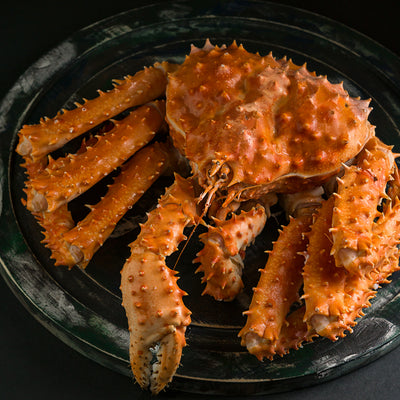
Louisiana blue crab is delicious — but if you can't make the trip, Global Seafoods offers premium wild-caught crab meat and crab clusters sourced from cold, clean waters and delivered fresh to your door. No fishing license required.
Also in News

Halibut Nutrition Facts: Everything You Need to Know

Crab vs. Lobster: Which is Healthier?

The Health Benefits of Ikura: What You Need to Know
Shop Now
Main
