
Wild-Caught Halibut – Premium, Sustainable & Delivered Fresh

Wild-Caught Halibut: Premium, Sustainable & Delivered Fresh
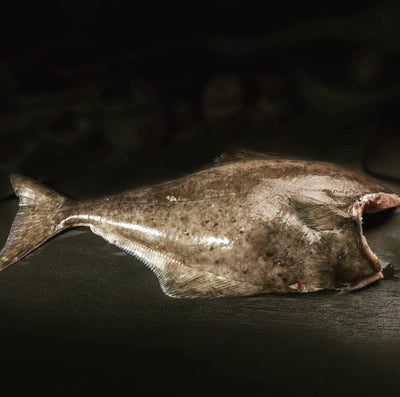
When it comes to premium seafood, nothing compares to the pure ocean goodness of wild-caught halibut. At Global Seafoods, we take pride in offering a wide selection of high-quality halibut, sustainably sourced from the pristine waters of the Pacific Ocean and delivered straight to your doorstep.
Shop Wild-Caught Halibut at Global Seafoods
Why Choose Wild-Caught Halibut from Global Seafoods?
Unparalleled Freshness
At Global Seafoods, we source our wild-caught halibut from Alaskan and Pacific waters, working closely with experienced fishermen who use sustainable fishing practices.
- Caught in the wild, ensuring the highest quality and freshest flavor
- Flash-frozen at peak freshness, preserving its tender texture and rich taste
- Expertly processed to deliver boneless, skinless fillets, steaks, and cheeks
Shop premium halibut:
- Pacific Halibut Fillet – Mild & Flaky
- Halibut Steaks – Perfect for Grilling
- Halibut Cheeks – A Delicacy for Seafood Lovers
- Fresh Pacific Halibut – Ocean to Plate Freshness
A Nutritional Powerhouse
Halibut isn't just delicious — it's also packed with essential nutrients to support a healthy lifestyle:
- High in Lean Protein – Helps muscle growth and recovery
- Rich in Omega-3 Fatty Acids – Supports heart health and brain function
- Loaded with Vitamins & Minerals – Includes B12, magnesium, and selenium for immune support and metabolism regulation
- Low in Calories & Fat – A healthy, guilt-free seafood option
By adding wild-caught halibut to your diet, you're not just indulging in gourmet-quality seafood — you're also making a smart, health-conscious choice.
Order Fresh Wild-Caught Halibut
How to Cook Halibut to Perfection
One of the best things about halibut is its firm, mild-flavored flesh, which makes it incredibly versatile in the kitchen. Whether you grill, bake, pan-sear, or steam, halibut can be elevated with simple ingredients.
1. Grilled Halibut Steaks
Best for: A clean, smoky flavor with a light char.
- Season lightly with salt, pepper, lemon, and olive oil.
- Grill over medium-high heat for 4–5 minutes per side until the flesh is opaque and flakes easily.
2. Baked Halibut Fillets
Best for: A moist, hands-off result with minimal cleanup.
- Preheat oven to 375°F (190°C).
- Top with butter, garlic, and fresh herbs.
- Bake for 12–15 minutes until the flesh flakes easily with a fork.
3. Pan-Seared Halibut Cheeks
Best for: A restaurant-quality dish with a golden crust.
- Sauté in butter and white wine over medium-high heat for 2–3 minutes per side.
- Serve over pasta or risotto with a squeeze of lemon.
4. Halibut Tacos
Best for: A casual, crowd-pleasing meal with bold flavors.
- Grill or pan-sear halibut and flake into chunks.
- Serve in warm tortillas topped with mango salsa and avocado crema.
Watch expert seafood cooking tutorials on our YouTube channel
Sustainably Sourced & Environmentally Friendly
At Global Seafoods, we are committed to sustainability and responsible fishing. Our wild-caught halibut is harvested using methods that minimize bycatch and support healthy fish populations.
- Certified sustainable fishing practices
- Environmentally friendly harvesting methods that protect marine ecosystems
- Supporting local fishermen and preserving the ocean's delicate balance
By choosing wild-caught halibut from Global Seafoods, you're making a responsible, eco-conscious choice for the future of our oceans.
Order Sustainably Sourced Halibut from Global Seafoods
Convenient Delivery to Your Doorstep
Forget the hassle of searching for high-quality seafood at the grocery store. Global Seafoods brings the freshest, premium halibut directly to you with fast, reliable shipping.
- Temperature-controlled packaging for peak freshness
- Easy online ordering with a variety of halibut cuts and portions
- Perfect for meal prep, special occasions, or a gourmet seafood feast
Experience Fresh Seafood Delivery from Global Seafoods
Frequently Asked Questions (FAQs)
Q: What makes wild-caught halibut different from farmed halibut?
A: Wild-caught halibut has a cleaner, more natural flavor, firmer texture, and higher nutrient content compared to farmed halibut. Wild fish feed on natural prey in open water, which contributes to their superior taste and omega-3 profile.
Q: Can I order halibut online?
A: Yes. Global Seafoods delivers premium, wild-caught halibut straight to your door. Order from globalseafoods.com.
Q: How should I store my halibut?
A: Keep it frozen until ready to use. When defrosting, refrigerate overnight for the best texture and taste. Once thawed, consume within 24–48 hours and do not refreeze.
Q: Is Global Seafoods' halibut sustainably harvested?
A: Yes. We work with certified sustainable fisheries to ensure responsible fishing practices. Pacific halibut is managed by the International Pacific Halibut Commission (IPHC), which sets annual catch limits to maintain healthy population levels.
Q: What's the best way to cook halibut?
A: Halibut is incredibly versatile — grill, bake, pan-sear, or steam for a delicious meal. Because it is a lean fish, avoid overcooking: halibut is done when it reaches an internal temperature of 130–135°F (54–57°C) and flakes easily with a fork.
Related Products


Also in News

Snail Caviar: How White Escargot Caviar Is Farmed, Harvested and Made

The Dark Years of Pacific Salmon: A 20-Year Outlook for Alaska, Russia, and the Red Caviar Market

King Crab Legs Delivery: Is It Worth It? Exploring the Benefits and Best Options
Shop Now
Main
