
Alaska Pollock: Complete Guide to Taste, Nutrition & Cooking

Alaska Pollock—also known as Walleye Pollock—is one of the most important whitefish species in the North Pacific. Its scientific name is Gadus chalcogrammus, placing it in the cod family, Gadidae. It is mild, lean, relatively fine-textured and exceptionally versatile, which is why it appears in everything from frozen fillets and breaded fish portions to surimi and seafood products sold around the world.
This guide explains what Alaska Pollock actually is, how it tastes, how it is processed, what current nutrition data show, how the U.S. fishery is managed, and the best ways to cook it. It also includes perspective from decades of firsthand work with pollock, cod and other Alaska groundfish.
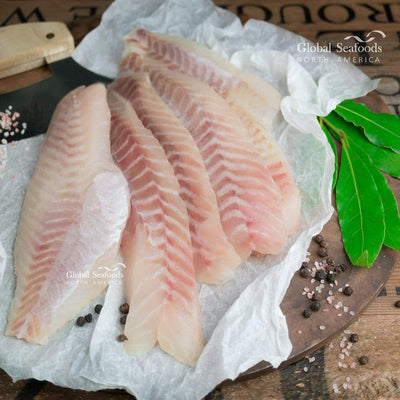
Shop: Wild Alaska Pollock Fillets | Whitefish Collection
What Is Alaska Pollock?
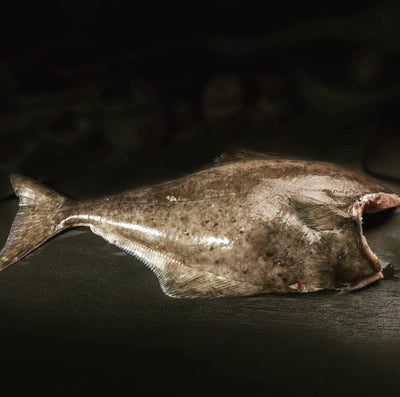
Alaska Pollock (Gadus chalcogrammus) is a schooling North Pacific groundfish. NOAA notes that the largest concentrations occur in the eastern Bering Sea, and most U.S. commercial catch comes from the Bering Sea, with additional harvest from the Gulf of Alaska.
The fish has also long been called Walleye Pollock. In seafood trade and consumer marketing, “Alaska Pollock” is now the name most people recognize. It should not be confused with Atlantic Pollock, Pollachius virens, which is a different species from the North Atlantic.
Alaska Pollock vs Atlantic Pollock
- Alaska Pollock: Gadus chalcogrammus, North Pacific, mild flavor, relatively fine texture.
- Atlantic Pollock: Pollachius virens, North Atlantic, a separate species with a firmer profile.
What Does Alaska Pollock Taste Like?
Alaska Pollock has a mild, clean whitefish flavor. NOAA describes it as similar to cod or haddock. Its texture is relatively fine rather than large-flaked and firm.
That makes pollock useful when you want a fish that takes seasoning well. Lemon, herbs, garlic, butter, soy-based sauces, chili, breading and marinades can all work because the fish does not overpower the rest of the dish.
Compared with Pacific Cod, pollock is generally more delicate and finer-textured. Compared with Pacific Whiting, pollock usually holds together better in many standard fillet preparations. For a broader comparison, see our Pacific Whiting vs Cod, Haddock & Pollock guide.
Firsthand Industry Perspective: More Than 30 Years Around Pollock
I have worked in the seafood industry since 1993, including work with pollock, cod, shrimp and other groundfish vessels and processing operations. I also owned and operated a seafood processing plant in Kodiak for roughly two decades. That background changes how I look at Alaska Pollock: not simply as an inexpensive whitefish, but as a highly industrialized species where catch handling, processing speed, freezing, grading, yield and product form all strongly influence the final quality.
Pollock can become many different commercial products. A consumer may see a simple boneless fillet, while processors may be working with headed-and-gutted fish, fillet blocks, portions, roe, mince or surimi. Those are different products with different specifications and markets, even though they begin with the same species.
For consumers, the practical point is simple: “pollock” alone does not tell you everything about quality. Product form, freezing method, glaze, storage history, fillet size and handling all matter.
How Alaska Pollock Is Used
Alaska Pollock is one of the most versatile large-volume whitefish species. Major product forms include:
- Frozen fillets for retail, foodservice and further processing.
- Fillet blocks and portions used for breaded and formed seafood products.
- Surimi, a washed fish-protein paste used in products such as imitation crab.
- Roe, an important product with its own international markets.
- Minced and value-added products used in a wide range of prepared foods.
NOAA reports that substantial shares of the U.S. Alaska Pollock harvest are processed into fillets, surimi and roe. This is one reason pollock is often eaten by people who may not realize which species they are eating.
Alaska Pollock Nutrition
For nutrition, it is better to use current standardized data rather than repeat marketing claims. NOAA lists the following values for 100 grams of raw Alaska Pollock:
| Nutrient | Per 100 g raw |
|---|---|
| Calories | 81 kcal |
| Protein | 17.18 g |
| Total fat | 0.8 g |
| Saturated fat | 0.164 g |
| Carbohydrate | 0 g |
| Cholesterol | 71 mg |
| Selenium | 21.9 mcg |
| Sodium | 99 mg |
NOAA also identifies Alaska Pollock as a good source of omega-3 fatty acids, high in protein and low in carbohydrates and fat. Exact nutrition changes with portion size and preparation: breading, frying, butter, sauces and added salt can change the final meal substantially.
Is Alaska Pollock Sustainable?
For U.S. wild-caught Alaska Pollock, NOAA describes the fishery as sustainably managed and responsibly harvested under U.S. regulations. NOAA Fisheries and the North Pacific Fishery Management Council manage the fishery under federal groundfish management plans for the Bering Sea/Aleutian Islands and Gulf of Alaska.
Current NOAA status is more nuanced than the old marketing phrase “all pollock is abundant.” The Eastern Bering Sea, Aleutian Islands, and several Gulf of Alaska stocks are listed as not overfished, while population status for some smaller areas is unknown and management measures remain in place. That is a better way to discuss sustainability than making one blanket claim about every stock and every year.
Pollock also plays a major ecological role in Alaska waters. It is prey for marine mammals, seabirds and other fish, while larger pollock themselves feed on fish. Fishery management therefore involves much more than simply setting a commercial catch number.
Fresh vs Frozen Alaska Pollock
NOAA lists fresh Alaska Pollock availability mainly from January through April and June through October, while frozen product is available year-round. For most U.S. consumers, frozen pollock is the normal format—and that is not automatically a disadvantage.
Commercial Alaska seafood is often frozen relatively close to harvest or processing. Proper freezing allows a lean whitefish like pollock to be stored and distributed over long distances. Quality depends on the original raw material, freezing, packaging, temperature control and storage history.
How to thaw frozen pollock
The FDA recommends thawing frozen seafood gradually in the refrigerator overnight. For faster thawing, keep the seafood sealed in a plastic bag and immerse it in cold water. Microwave defrosting can also be used when the fish will be cooked immediately.
How to Cook Alaska Pollock
Because pollock is lean and relatively fine-textured, the main cooking mistake is simply overcooking it. Instead of relying on one fixed number of minutes for every fillet, cook according to thickness and check doneness.
The FDA recommends cooking finfish to an internal temperature of 145°F (63°C). If a thermometer is unavailable, properly cooked fish should become opaque and separate readily with a fork.
Baking
Place thawed fillets in a lightly oiled baking dish, season with salt, pepper, lemon and herbs, and bake until the center reaches 145°F. A little butter, olive oil or sauce can help protect this lean fish from drying.
Pan-searing
Pat the fillet dry, season it, and cook in a lightly oiled pan over moderate heat. Avoid repeatedly moving a delicate fillet before the first side has set.
Fish tacos
Pollock works especially well with chili, cumin, lime, cabbage and crema because its mild flavor carries bold seasonings without competing with them.
Breaded or battered pollock
The fine texture works well under a crisp coating. Keep the oil hot enough to set the coating quickly, and cook only until the fish is safely done.
For a complete meal idea, see our Wild Alaska Pollock Fillet Recipe and Roasted Pollock and Cod Recipe.
Alaska Pollock vs Pacific Cod
Both species belong to the cod family and both have mild white flesh, but they are not the same fish. Pacific Cod usually has larger flakes and a firmer bite. Alaska Pollock is finer-textured and commonly used in fillets, blocks, breaded products and surimi.
Which is “better” depends on the dish. For a thick center-of-plate fillet where large flakes matter, cod may be preferable. For tacos, breaded portions, fish cakes, many frozen applications and value-focused meals, pollock can be an excellent choice.
What to Look for When Buying Alaska Pollock
- Species identification: look for Alaska Pollock or Gadus chalcogrammus.
- Product form: fillet, portion, block or another format.
- Packaging: intact packaging with no obvious damage or excessive dehydration.
- Frozen condition: avoid product showing signs of repeated thawing and refreezing.
- Glaze and net weight: understand whether the listed weight refers to net seafood weight and how the product is packed.
- Intended use: choose thicker intact fillets for center-of-plate cooking and smaller pieces for tacos, fish cakes or mixed dishes.
Our current retail product is available here: Alaska Pollock Fillets – Wild-Caught, Boneless & Skinless.
Frequently Asked Questions
Is Alaska Pollock the same as Walleye Pollock?
Yes. Alaska Pollock and Walleye Pollock are common names for Gadus chalcogrammus.
Is Alaska Pollock the same as Atlantic Pollock?
No. Atlantic Pollock is Pollachius virens, a different North Atlantic species.
What does Alaska Pollock taste like?
It is mild, clean-tasting and similar to cod or haddock, with a relatively fine texture.
Is Alaska Pollock good for surimi?
Yes. Alaska Pollock has long been one of the most important raw materials for surimi because properly handled white muscle can produce the functional protein characteristics required for high-quality surimi products.
Can Alaska Pollock replace cod in a recipe?
Often, yes, but expect a finer and generally more delicate texture. Adjust handling and cooking accordingly.
What temperature should Alaska Pollock reach?
FDA guidance for finfish is an internal temperature of 145°F (63°C).
Sources and Further Reading
- NOAA Fisheries, Alaska Pollock species and FishWatch profile.
- U.S. Food & Drug Administration, Selecting and Serving Fresh and Frozen Seafood Safely.
Updated by Oleg Nikitenko, Global Seafoods North America. Seafood industry experience since 1993, including Alaska groundfish vessels and processing operations.




Related Products

Also in News

Alaska Pollock Price & Value: What Affects Cost and What You’re Buying

Pacific Whiting Surimi: Processing Challenges, Gel Strength & Industry History

Hake vs Cod: Taste, Texture, Species & Cooking Differences
Hake and cod are both popular whitefish, but neither name represents just one fish. Compare species, taste, texture, cooking uses, nutrition and fisheries—and learn when each is the better choice.
Shop Now
Main
