
A Brief History of Oysters: From Ancient Luxury to Modern Delicacy

A Brief History of Oysters: From Ancient Delicacy to Modern Culinary Treasure
Oysters are one of the world’s most beloved and intriguing seafood delicacies. With their unique flavor, rich texture, and fascinating history, oysters have been enjoyed for centuries across different cultures. This article explores the journey of oysters from ancient luxury to modern culinary prominence, as well as tips for selecting, storing, and savoring them.
The Origins of Oysters
Oysters have a history that spans thousands of years, dating back to ancient civilizations.
Oysters in Ancient Rome
- Oysters were considered a luxury food item in ancient Rome. Wealthy Romans would import oysters from distant regions, using specially constructed tanks to keep them fresh.
- Feasts and banquets often featured oysters as a symbol of wealth and sophistication.
Oysters in Europe
- By the Middle Ages, oysters became widely consumed across Europe, particularly in coastal communities.
- France emerged as a hub for oyster farming, with regions like Brittany and Normandy developing strong oyster cultivation traditions.
Explore premium oyster varieties like Miyagi oysters or Willapa Bay oysters for a taste of their historic roots.
Oysters in the United States
Oysters played a pivotal role in shaping American seafood culture during the 19th and 20th centuries.
The Oyster Boom
- Chesapeake Bay became a major hub for oyster harvesting, supplying oysters to cities like New York and Boston.
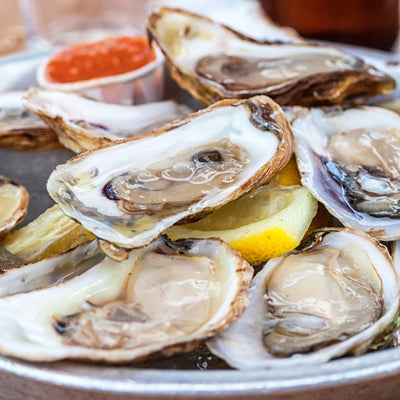
- Oyster bars and saloons emerged as social gathering spots, where patrons enjoyed raw oysters served on the half shell.
- Oysters were also a staple for working-class families due to their affordability and nutritional value.
Conservation Efforts
- Overharvesting in the 20th century led to significant declines in oyster populations, prompting the adoption of sustainable farming practices.
- Today, U.S. oyster farming thrives in regions like the Pacific Northwest, Gulf Coast, and New England.
For fresh, sustainably sourced options, try Carbajal oysters or Cliff Point Petite oysters from Global Seafoods.
Oysters in Modern Cuisine
Oysters continue to be a symbol of culinary indulgence, prized for their versatility and distinctive flavor profiles.
Popular Oyster Dishes
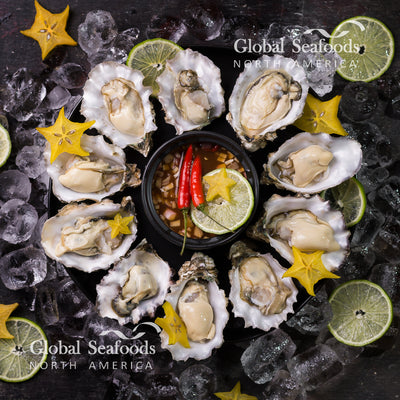
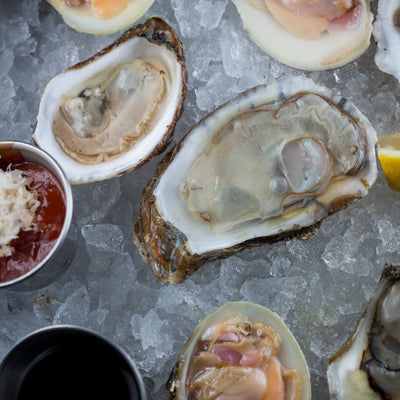
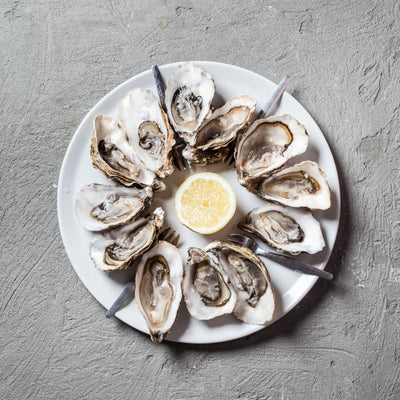
- Raw Oysters: Served on the half shell with lemon, cocktail sauce, or mignonette. Varieties like Tidepoint oysters are perfect for this preparation.
- Grilled Oysters: Topped with garlic butter, Parmesan, or breadcrumbs and grilled to golden perfection.
- Oyster Stews and Chowders: A comforting way to enjoy oysters, featuring their briny flavor in creamy, hearty soups.
Health Benefits of Oysters
- Rich in Nutrients: Oysters are a powerhouse of vitamins and minerals, including zinc, vitamin B12, and selenium.
- Low in Calories: A nutrient-dense, low-calorie option for those seeking healthy indulgence.
- Aphrodisiac Properties: Oysters’ reputation as an aphrodisiac adds a touch of romance to any dining experience.
Pair your oyster feast with selections from Global Seafoods, such as Maine oysters or explore their full oyster collection.
Tips for Selecting, Storing, and Preparing Oysters
Proper handling ensures you get the freshest, safest oysters for your meal.
Selecting Fresh Oysters
- Look for tightly closed shells; open shells may indicate dead oysters.
- Fresh oysters should have a clean, briny scent reminiscent of the ocean.
- Choose trusted suppliers like Global Seafoods for the freshest options.
Storing Oysters
- Keep oysters in the refrigerator, covered with a damp cloth to maintain moisture.
- Do not store them in airtight containers; they need air to stay alive.
- Consume oysters within 1-2 days for peak freshness.
Preparing Oysters
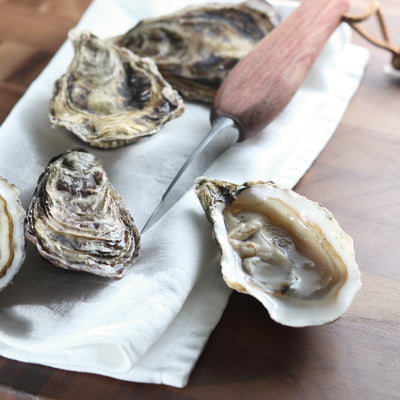
- Use a sturdy shucking knife to carefully open oysters, wearing gloves for safety.
- Rinse oysters under cold water to remove grit before serving raw or cooking.
FAQs About Oysters
1. What are the best types of oysters to eat raw?
Varieties like Willapa Bay oysters and Miyagi oysters are excellent choices for their briny and slightly sweet flavors.
2. How can I tell if an oyster is fresh?
Fresh oysters will have tightly closed shells and a briny, ocean-like smell. Avoid oysters with cracked shells or a strong fishy odor.
3. Are oysters healthy?
Yes! Oysters are rich in protein, omega-3 fatty acids, zinc, and vitamin B12, making them a nutritious choice.
4. Can I eat oysters year-round?
While oysters are often associated with months containing the letter “R,” modern farming and refrigeration practices make them safe to enjoy year-round.
5. How should I serve oysters at a party?
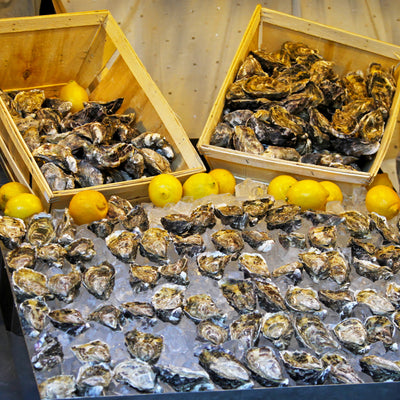
Serve raw oysters on a bed of crushed ice with lemon wedges, cocktail sauce, and mignonette for a classic presentation. For variety, try grilling or baking with toppings like garlic butter.
Conclusion
Oysters are more than just a seafood delicacy—they’re a piece of culinary history with a timeless appeal. From their luxurious beginnings in ancient Rome to their modern status as a versatile ingredient, oysters have earned their place on tables worldwide.
Whether you prefer them raw on the half shell, grilled, or in a rich stew, oysters offer endless possibilities to explore and enjoy. For the freshest options, shop Global Seafoods’ selection of premium oysters, including Carbajal oysters, Tidepoint oysters, and more.
Visit their YouTube channel for recipes and tips on preparing oysters to perfection!
Please don’t forget to leave a review.
Also in News

Halibut Nutrition Facts: Everything You Need to Know

Crab vs. Lobster: Which is Healthier?

The Health Benefits of Ikura: What You Need to Know
Shop Now
Main
