
10 Best Locations for Flounder Fishing: A Comprehensive Guide for Anglers

Top 10 Locations for Flounder Fishing in the US
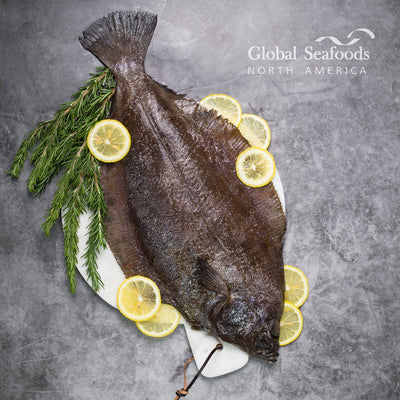
Flounder are among the most sought-after flatfish on the US coast — delicious to eat and satisfying to catch. These bottom-dwelling fish thrive in shallow bays, estuaries, and coastal inlets from the Gulf of Mexico to New England. Here are the top 10 destinations for flounder fishing across the United States.
-
Galveston Bay, Texas
Galveston Bay is one of the premier flounder fishing destinations on the Gulf Coast, with healthy populations of both Gulf flounder and southern flounder. The bay's shallow grass flats and oyster reefs are prime habitat, especially during the fall flounder migration (October–November) when fish move toward the passes. Gigging at night is a popular and productive technique here. A Texas fishing license is required.
-
Nantucket Island, Massachusetts
Nantucket's clear, productive waters support both winter flounder (best in spring, March–May) and summer flounder (fluke), which peak from June through September. The island's harbors, flats, and nearshore rips are all productive. A Massachusetts recreational saltwater fishing permit is required.
-
Chincoteague Bay, Virginia
Chincoteague Bay is a top summer flounder (fluke) destination on the mid-Atlantic coast. The bay's sandy bottoms and shallow channels concentrate fish from June through September. Drifting with bucktail jigs tipped with squid strips is the go-to technique. A Virginia saltwater fishing license is required.
-
Barnegat Bay, New Jersey
Barnegat Bay is one of the most productive fluke (summer flounder) fisheries on the East Coast. Fish move into the bay in late May and stay through September, with the best action near the inlets and channel edges. New Jersey has strict size and bag limits for summer flounder — check current NJDEP regulations before fishing.
-
Pamlico Sound, North Carolina
Pamlico Sound is the largest lagoon on the US East Coast and home to excellent southern flounder fishing. The sound's vast shallow marshes and grass beds hold fish year-round, with peak action in fall. Inshore guides operate out of towns like Oriental and Beaufort. A North Carolina coastal recreational fishing license is required.
-
Mobile Bay, Alabama
Mobile Bay offers consistent Gulf flounder fishing throughout the warmer months, with the fall run (October–November) being the most productive. The bay's sandy bottoms near the ship channel and grass flats are prime spots. Night gigging is popular and legal in Alabama with the appropriate license.
-
Matagorda Bay, Texas
Matagorda Bay is a large, relatively underfished bay system on the Texas coast that holds strong populations of Gulf and southern flounder. The bay's numerous cuts, passes, and grass flats provide excellent habitat. Fall is the prime season as fish stage near the passes before moving offshore. A Texas fishing license is required.
-
Narragansett Bay, Rhode Island
Narragansett Bay is a top destination for winter flounder in New England, with the best fishing in early spring (March–May) before water temperatures rise. The bay's docks, piers, and shallow muddy bottoms are classic winter flounder habitat. A Rhode Island recreational fishing license is required.
-
Chesapeake Bay, Maryland
The Chesapeake Bay supports a strong summer flounder (fluke) population, with fish arriving in May and staying through September. The bay's inlets, channel edges, and tributary mouths are the most productive areas. Maryland has specific size and bag limits for flounder — check Maryland DNR regulations before your trip.
-
Long Island Sound, New York
Long Island Sound is one of the most accessible and productive flounder fisheries on the East Coast, offering both winter flounder in spring and summer flounder (fluke) from May through September. The sound's jetties, inlets, and sandy bottoms near river mouths are prime spots. A New York saltwater fishing registration is required.
FAQ
Q: What kind of equipment do I need for flounder fishing?
A: A medium-light to medium spinning rod (6–7 ft) with a 2500–3500 series reel spooled with 10–20 lb braid is ideal for most flounder fishing. Add a fluorocarbon leader (15–20 lb) to reduce visibility near the hook. A landing net is helpful for landing larger fish without losing them at the boat.
Q: How should I rig my bait for flounder fishing?
A: The Carolina rig and flounder rig (a sliding sinker above a swivel, with a 12–18 inch leader to a hook) are the most popular setups. Live minnows, mud minnows, and finger mullet are top live baits. For artificials, bucktail jigs tipped with squid strips or Gulp! Shrimp are highly effective. Drift slowly along the bottom to cover ground.
Q: What is the bag limit for flounder fishing?
A: Bag limits and minimum size requirements vary significantly by state and season. Always check with your state's wildlife or marine fisheries agency for current regulations before fishing. Many states have tightened flounder limits in recent years due to conservation concerns.
Q: Can I catch flounder from the shore?
A: Yes — flounder are very accessible from shore. Target areas with sandy or muddy bottoms near structure (jetties, docks, bridge pilings), and fish during incoming tides when flounder move shallower to feed. Early morning and dusk are the most productive times.
Love Flatfish? Shop Premium Wild-Caught Sole Online
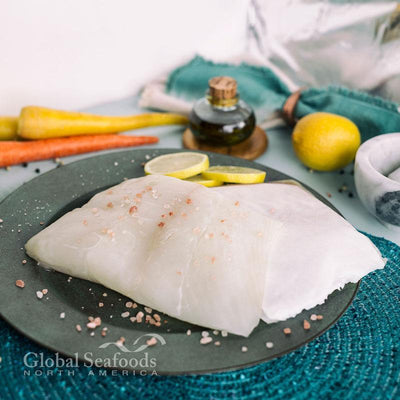
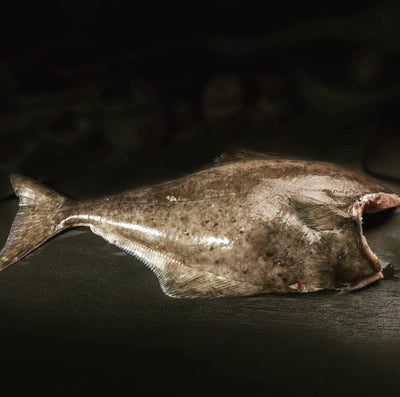
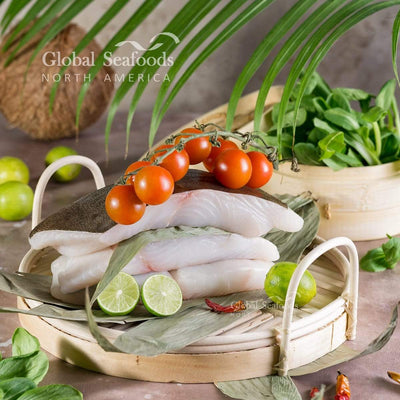
If you love the mild, delicate flavor of flounder and flatfish, you'll love what Global Seafoods has to offer. While we don't sell flounder directly, our wild-caught Pacific Dover Sole and Petrale Sole are close cousins with the same clean, flaky texture — sustainably sourced and delivered fresh to your door. No fishing license required.
Also in News

Halibut Nutrition Facts: Everything You Need to Know

Crab vs. Lobster: Which is Healthier?

The Health Benefits of Ikura: What You Need to Know
Shop Now
Main
