
Array of Caviar Types on a Decorative Platter: A Guide to the Finest Delicacy

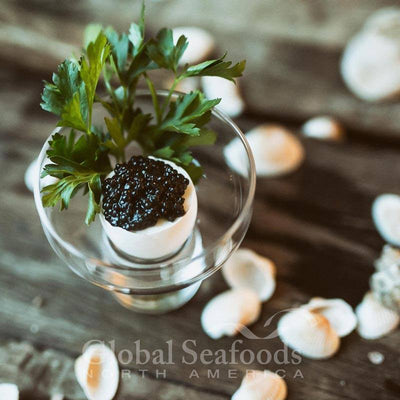
Array of Caviar Types on a Decorative Platter
Caviar is synonymous with luxury, refinement, and indulgence. Sourced from the roe of sturgeon fish, this delicacy is celebrated worldwide for its rich flavors, elegant textures, and cultural significance. Whether you're a connoisseur or new to this gourmet treat, understanding the different types of caviar is essential to fully appreciate its nuances.
In this comprehensive guide, we’ll explore the types of caviar, their unique characteristics, and how to serve and store them properly to enhance your culinary journey.
Types of Caviar: A Luxurious Selection
Caviar varies by the species of sturgeon, the environment, and processing techniques. Each type offers a unique flavor profile and texture, making it a treasure trove for food enthusiasts.
1. Beluga Caviar: The Pinnacle of Luxury
Beluga caviar is sourced from the Beluga sturgeon found in the Caspian and Black Seas.
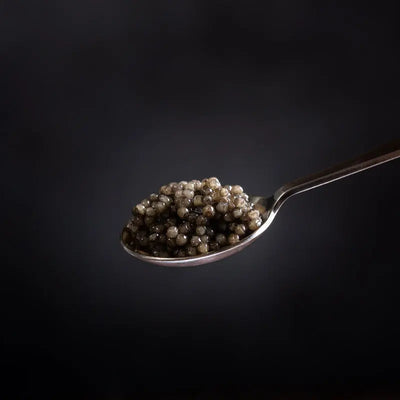
- Appearance: Large, delicate eggs with a light gray to dark gray hue.
- Flavor: Buttery, creamy, and mildly briny.
- Why It’s Special: Considered the most luxurious and expensive caviar in the world due to its rarity and exceptional taste.
Explore Beluga Caviar for the ultimate indulgence.
2. Osetra Caviar: Rich and Complex
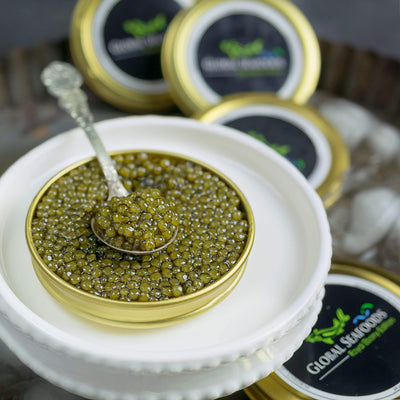
Osetra caviar comes from the Osetra sturgeon, offering medium-sized eggs with shades ranging from golden to dark brown.
- Flavor: Nutty, fruity, with a hint of ocean brininess.
- Texture: Firm yet delicate, creating an exquisite mouthfeel.
- Popular For: Its diverse flavor notes that cater to a wide range of palates.
Discover premium Osetra Sturgeon Caviar.
3. Sevruga Caviar: Bold and Briny
Sevruga caviar is harvested from the Sevruga sturgeon, known for its small, dark eggs.
- Appearance: Grayish-black, glistening pearls.
- Flavor: Robust, salty, with a more pronounced fishy profile.
- Best For: Those who appreciate bold and intense flavors.
Try the bold flavors of Sevruga Caviar today.
4. Sterlet Caviar: Rare and Delicate
Sterlet caviar comes from the Sterlet sturgeon, a smaller species primarily found in Russia.
- Appearance: Small to medium eggs with a light to dark gray color.
- Flavor: Mild, buttery, with almond-like notes.
- Why It’s Unique: A rare delicacy treasured for its subtle and refined flavor.
5. Hackleback Caviar: Affordable Elegance
Sourced from the Hackleback sturgeon native to the United States, this caviar is a budget-friendly option without compromising on quality.
- Appearance: Small, jet-black eggs.
- Flavor: Nutty with a hint of sweetness.
- Perfect For: Everyday indulgence and versatile culinary applications.
Check out the affordable Hackleback Caviar.
How to Serve Caviar: Tips for a Perfect Experience
Serving caviar properly enhances its flavor and overall enjoyment.
1. Traditional Presentation
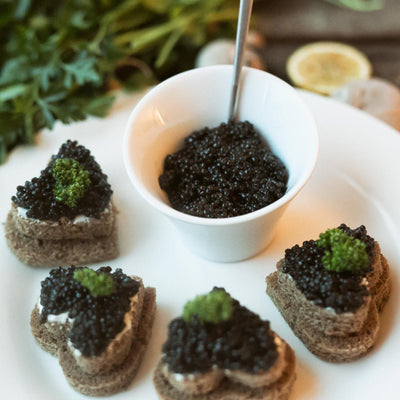
- Serve caviar chilled on a bed of crushed ice.
- Use mother-of-pearl, bone, or plastic utensils to avoid altering the taste.
2. Accompaniments
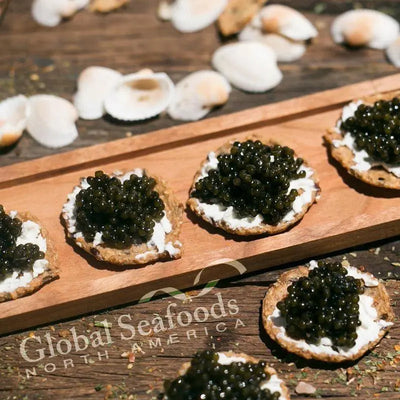
- Blinis: Light, fluffy Russian pancakes.
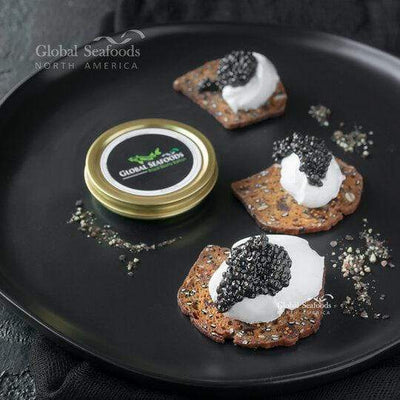
- Toast Points: Lightly buttered and toasted bread.
- Crème Fraîche: Adds a creamy balance to the brininess.
Pro Tip: Pair with a chilled glass of vodka or brut champagne for a classic caviar experience.
How to Store Caviar: Prolonging Freshness
Proper storage is essential to maintain the quality of caviar.
1. Refrigeration
- Store at a temperature between 28°F to 32°F (-2°C to 0°C).
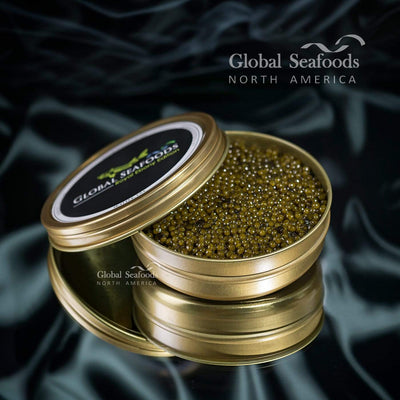
- Keep caviar in its original sealed tin or jar to maintain freshness.
2. Consume Quickly
- Unopened Caviar: Lasts up to 4–6 weeks when stored properly.
- Opened Caviar: Consume within 2–3 days to enjoy peak flavor.
3. Avoid Freezing
Freezing caviar alters its texture, making the eggs lose their firmness.
FAQs About Caviar
1. What Makes Beluga Caviar So Expensive?
Beluga caviar is rare, with long production cycles and limited supply, contributing to its high cost.
2. Can I Freeze Caviar?
Freezing is not recommended, as it affects the texture. If necessary, freeze only unopened tins and thaw slowly in the refrigerator.
3. What Is the Difference Between Caviar and Roe?
Caviar specifically refers to sturgeon eggs, while roe can come from various fish species, including salmon and trout.
Where to Buy Premium Caviar
For the finest selection of caviar, trust reputable suppliers like Global Seafoods. Browse their collection of luxurious options, including:
Conclusion: Elevate Your Culinary Journey with Caviar
Caviar represents the pinnacle of luxury and fine dining. From the creamy richness of Beluga to the bold flavors of Sevruga, each variety offers a unique experience that delights the senses. By understanding the nuances of different caviar types, you can savor this delicacy to its fullest potential.
Ready to indulge? Explore premium caviar options at Global Seafoods and elevate your culinary adventures today.
Watch more seafood tips and recipes on our YouTube channel: Global Seafoods YouTube Channel.


Also in News

Halibut Nutrition Facts: Everything You Need to Know

Crab vs. Lobster: Which is Healthier?

The Health Benefits of Ikura: What You Need to Know
Shop Now
Main
