
Luxury Redefined: Black Caviar Price, Origins, and Indulgence

Luxurious Black Caviar: Understanding Its Price and Allure
What Is Black Caviar? A Taste of Elegance
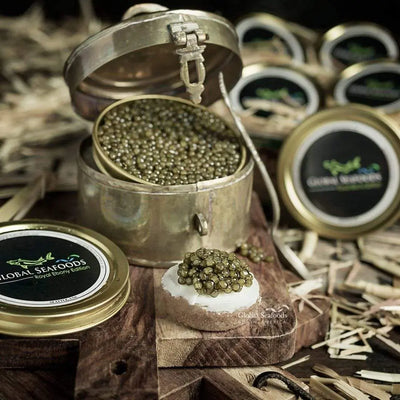
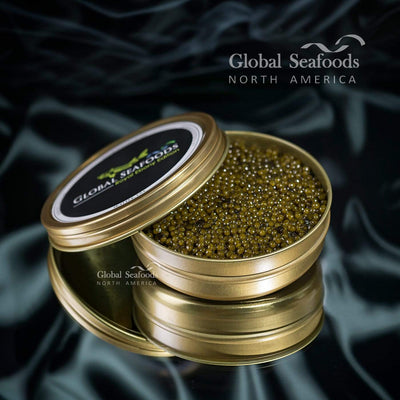
Black caviar, a symbol of opulence and refinement, comes from the roe of sturgeon fish. Its rich, buttery flavor and smooth texture make it a delicacy celebrated across the globe. Known as "black gold," black caviar has long been a staple in gourmet dining, often associated with indulgence and special occasions.
Why Is Black Caviar So Expensive?
Quality and Grade: A Game of Perfection
Black caviar is graded meticulously based on size, texture, and color. Top-tier varieties like Beluga and Ossetra are considered the gold standard due to their large, firm eggs and complex flavor profiles.
- Beluga Caviar: Famous for its creamy texture and delicate flavor.
- Ossetra Caviar: Renowned for its nutty undertones and firm texture.
Explore premium caviar options:
Species and Origin: The Caspian Connection
The sturgeon species and its habitat significantly impact the price of black caviar. Sturgeons from the Caspian Sea, such as Beluga, Sevruga, and Ossetra, produce the most coveted caviar, thanks to the region's unique ecosystem.
- Russian Ossetra Sturgeon: A global favorite for its balanced flavor and rich history.
- Kaluga Sturgeon: Known as the "river beluga," it offers a luxurious alternative with large eggs and a buttery taste.
Rarity and Harvesting Challenges
Sturgeon populations have dwindled due to overfishing and environmental changes, making wild black caviar increasingly rare. Strict regulations and sustainable farming practices have become essential to preserve these majestic fish.
- Traditional harvesting methods involve hand-extraction, a labor-intensive process ensuring the highest quality.
Factors That Drive Black Caviar Prices
Production Costs
From breeding sturgeons to maintaining optimal aquaculture environments, the production of black caviar involves significant investment. Quality control, skilled labor, and sustainable practices add to the cost.
Market Demand
The global demand for black caviar as a status symbol keeps its prices high. Gourmet chefs and luxury enthusiasts prize its unique flavor and texture.
Sustainability Measures
Eco-conscious consumers increasingly seek sustainably sourced caviar, further driving up prices due to the stringent processes involved.
For sustainably sourced caviar, explore:
How to Enjoy Black Caviar
Serving Suggestions
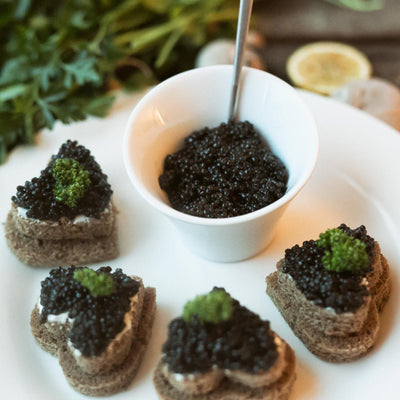
- Serve black caviar chilled on crushed ice to maintain its delicate flavor.
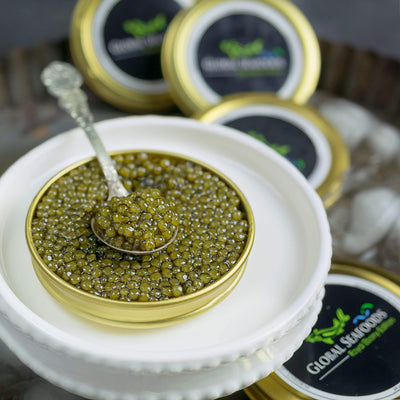
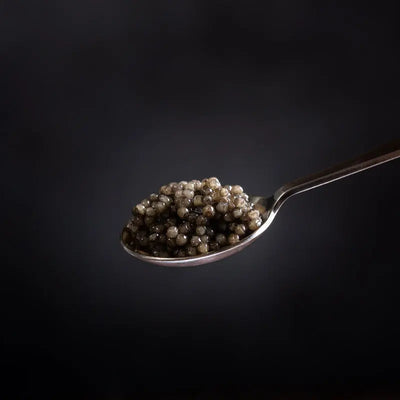
- Use mother-of-pearl or ceramic spoons to avoid metallic tastes.
Perfect Pairings
- Champagne: A dry Brut or Extra Brut complements the briny richness.
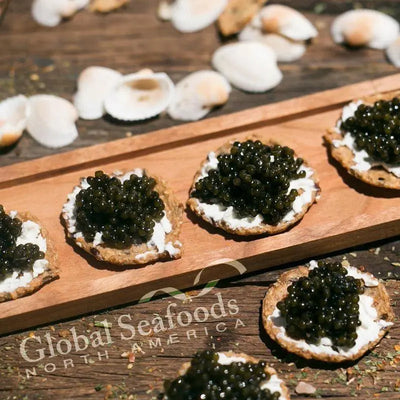
- Blini and Crème Fraîche: Traditional accompaniments that enhance the creamy texture.
- Seafood Pairings: Pair with oysters or smoked salmon for a luxurious appetizer.
For pairing inspiration, visit:
Frequently Asked Questions About Black Caviar
Why is black caviar so expensive?
Its price is influenced by the rarity of sturgeon, meticulous harvesting methods, and the high costs of sustainable aquaculture.
Can I find affordable alternatives to black caviar?
Yes, options like trout or salmon roe offer a similar experience at a fraction of the cost.
Is black caviar sustainable?
Sustainability depends on the sourcing. Look for certifications or farmed caviar that adheres to eco-friendly practices.
How should I store black caviar?
Keep it in the coldest part of your refrigerator, between 28°F and 32°F (-2°C to 0°C), and consume it within 2–3 days after opening.
Top Black Caviar Recommendations
- Beluga Caviar: Renowned for its large eggs and creamy texture.
- Ossetra Sturgeon Caviar: A favorite for its nutty flavor and firm texture.
- Kaluga Caviar: Luxurious with a buttery, sweet profile.
- Hackleback Caviar: A sustainable option with an earthy flavor.
Conclusion: Indulge in the Luxury of Black Caviar
Black caviar represents the pinnacle of luxury dining. Its exceptional taste, rarity, and intricate production process justify its premium price. Whether you're savoring a spoonful at a fine dining restaurant or elevating a special occasion, black caviar is an experience to be cherished.
To explore premium caviar options, visit:
Learn more about gourmet seafood on our YouTube channel.

Also in News

Halibut Nutrition Facts: Everything You Need to Know

Crab vs. Lobster: Which is Healthier?

The Health Benefits of Ikura: What You Need to Know
Shop Now
Main
