
Lingcod Secrets Revealed: Everything You Need to Know About This Pacific Delicacy

Lingcod: The Complete Guide to This Pacific Coast Fish — Biology, Nutrition, Cooking, and Sourcing
Lingcod (Ophiodon elongatus) is one of the most distinctive fish on the Pacific Coast -- a large, aggressive predator with a striking appearance (including occasional blue-green flesh that is perfectly safe to eat and turns white when cooked), a firm, flaky texture, and a mild, clean flavor that makes it one of the most versatile whitefish available. Despite its name, lingcod is not related to cod -- it is the sole member of the family Hexagrammidae and is more closely related to greenlings than to true cod. This guide covers the biology and natural history of lingcod, its complete nutritional profile with specific numbers, four complete recipes with technique notes, and how to select and source quality lingcod.
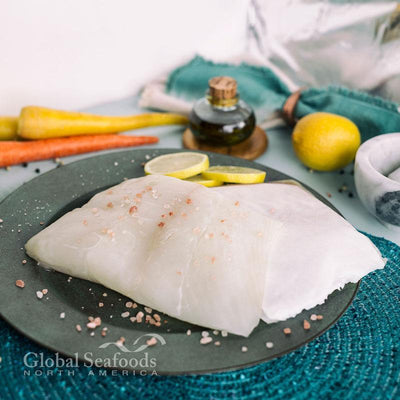
Lingcod Fillets at Global Seafoods
What Is Lingcod? Biology and Natural History
Lingcod (Ophiodon elongatus) is the largest member of the greenling family (Hexagrammidae) and one of the largest nearshore fish on the Pacific Coast: (1) Size: lingcod can grow up to 5 feet (1.5 meters) in length and weigh up to 80 pounds (36 kg); the average commercially caught lingcod weighs 5-15 pounds; (2) Range: found from Kodiak Island, Alaska to Baja California, Mexico; most abundant from British Columbia to central California; (3) Habitat: rocky reefs, kelp forests, and rocky seafloor at depths of 10-300 feet (3-90 meters); lingcod are ambush predators that lie motionless on the seafloor and strike at passing prey; (4) Diet: lingcod are voracious predators that eat almost anything they can fit in their large, toothy mouths -- fish (including other lingcod), squid, octopus, and crustaceans; their aggressive feeding behavior makes them relatively easy to catch on hook and line; (5) The blue-green flesh: approximately 20% of lingcod have blue-green or turquoise-colored flesh caused by a bile pigment called biliverdin; the color is harmless and disappears completely when the fish is cooked; blue-green lingcod taste identical to white-fleshed lingcod; (6) Sustainability: the Monterey Bay Aquarium's Seafood Watch program rates US Pacific lingcod from hook-and-line and trawl fisheries as a "Good Alternative" or "Best Choice" depending on the specific fishery and gear type; lingcod populations on the Pacific Coast have recovered significantly from historic lows in the 1990s due to effective fisheries management.
Nutritional Profile: What's in a 3-oz (85g) Serving of Cooked Lingcod
- Calories: approximately 93 kcal
- Protein: 19.4g (complete protein -- all nine essential amino acids)
- Total fat: 1.2g (lingcod is a lean whitefish -- significantly lower in fat than salmon or other fatty fish)
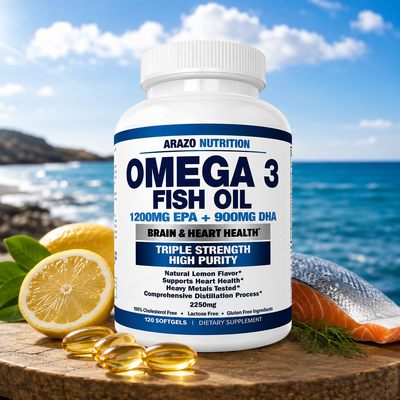
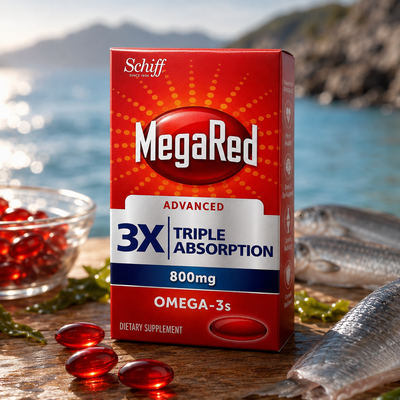
- Omega-3 fatty acids (EPA + DHA): approximately 200-300mg (meaningful but modest compared to fatty fish like salmon at 1,500-2,000mg per 3-oz serving; lingcod's primary nutritional value is its high protein-to-calorie ratio, not its omega-3 content)
- Vitamin B12: approximately 0.9mcg (38% of the recommended daily value of 2.4mcg)
- Vitamin B6: approximately 0.4mg (24% of the recommended daily value)
- Selenium: approximately 36mcg (65% of the recommended daily value of 55mcg)
- Phosphorus: approximately 195mg (28% of the recommended daily value)
- Niacin (B3): approximately 3.5mg (22% of the recommended daily value)
- Magnesium: approximately 28mg (7% of the recommended daily value)
Key nutritional takeaway: lingcod's standout nutritional attribute is its protein-to-calorie ratio -- 19.4g of complete protein at only 93 kcal per 3-oz serving; this is one of the best ratios of any food available. Its selenium content (65% DV per serving) is also notable. Lingcod is not a significant source of omega-3 fatty acids compared to fatty fish -- if omega-3 intake is the primary goal, salmon, mackerel, or sardines are better choices. For lean, high-protein meals, lingcod is excellent.
How to Select and Store Lingcod
Selecting Fresh Lingcod
- Smell: fresh lingcod should smell clean and oceanic -- not fishy or sour; a strong fishy smell indicates the fish is past its prime
- Flesh appearance: the flesh should be translucent white or blue-green (both are normal); it should be moist and firm, not dry, yellowing, or separating at the seams (gaping)
- Eyes (whole fish): clear and bright, not cloudy or sunken
- Skin: should be moist and shiny, not dry or dull
Selecting Frozen Lingcod
- Look for individually quick-frozen (IQF) fillets with no visible ice crystals inside the packaging (ice crystals indicate the fish has thawed and refrozen)
- The flesh should be uniformly white or blue-green with no freezer burn (white, dry patches on the surface)
- Flash-frozen lingcod caught and frozen at sea is often higher quality than fresh fish that has been transported for several days
Storage
- Fresh: refrigerate at 32-38°F (0-3°C); use within 1-2 days of purchase; store on ice in the coldest part of the refrigerator
- Frozen: store at 0°F (-18°C) or below; use within 6-12 months for best quality; thaw overnight in the refrigerator; do not thaw at room temperature or in warm water
Four Complete Lingcod Recipes with Technique Notes
1. Grilled Lingcod with Lemon and Herbs
Serves: 4 | Total time: 20 minutes
Ingredients:
- 4 lingcod fillets (6-8 oz / 170-225g each), skin on or off
- 3 tbsp olive oil
- 2 cloves garlic, minced
- 2 tbsp fresh flat-leaf parsley, chopped
- 1 tbsp fresh thyme leaves
- 1 lemon, zested and juiced
- Salt and black pepper
Instructions:
- Preheat grill to high heat (450-500°F / 230-260°C); clean and oil the grates thoroughly -- lingcod sticks easily to dirty or unoiled grates
- Combine olive oil, garlic, parsley, thyme, lemon zest, salt, and pepper; brush generously over both sides of the fillets
- Grill skin-side down for 4-5 minutes without moving; the fish will release from the grate naturally when it is ready to flip; if it sticks, it needs more time
- Flip and grill for 2-3 minutes until the fish is opaque throughout and flakes easily; internal temperature should reach 145°F (63°C)
- Squeeze lemon juice over the fillets immediately before serving
Technique note: lingcod is a lean fish with low fat content; it dries out quickly if overcooked; pull it from the grill when the center is just barely opaque -- residual heat will finish the cooking.
2. Pan-Seared Lingcod with Garlic Butter Sauce
Serves: 4 | Total time: 20 minutes
Ingredients:
- 4 lingcod fillets (6-8 oz each), skin on
- 2 tbsp neutral oil (canola or avocado)
- 3 tbsp unsalted butter
- 3 cloves garlic, thinly sliced
- 1 tbsp fresh lemon juice
- 2 tbsp fresh flat-leaf parsley, chopped
- Salt and white pepper
Instructions:
- Pat the fillets completely dry with paper towels -- surface moisture is the primary cause of poor searing; a wet fillet will steam rather than sear
- Season generously with salt and white pepper on both sides
- Heat the oil in a heavy-bottomed skillet (cast iron or stainless steel) over high heat until the oil just begins to smoke
- Place the fillets skin-side down; press gently with a spatula for the first 30 seconds to prevent curling; cook for 4-5 minutes without moving until the skin is golden and crispy and the flesh is opaque halfway up the side
- Flip; cook for 1-2 minutes until just cooked through; transfer to a plate
- Reduce heat to medium; add butter and garlic to the pan; cook for 1-2 minutes until the garlic is golden and the butter is lightly browned (beurre noisette); add lemon juice (it will sizzle); stir in parsley; pour over the fillets immediately
Technique note: the skin of lingcod crisps beautifully when seared in a hot, dry pan; do not use a non-stick pan for this recipe -- non-stick pans cannot reach the temperatures needed for a proper sear.
3. Baked Lingcod with Panko Herb Crust
Serves: 4 | Total time: 25 minutes
Ingredients:
- 4 lingcod fillets (6-8 oz each), skin off
- 1/2 cup (30g) panko breadcrumbs
- 2 tbsp Parmesan, finely grated
- 2 tbsp fresh flat-leaf parsley, finely chopped
- 1 tsp lemon zest
- 2 tbsp olive oil (for the crust) + 1 tbsp (for the pan)
- 1 tbsp Dijon mustard
- Salt and black pepper
Instructions:
- Preheat oven to 425°F (220°C); line a baking sheet with parchment paper; brush with 1 tbsp olive oil
- Combine panko, Parmesan, parsley, lemon zest, and 2 tbsp olive oil; mix until the panko is evenly coated; season with salt and pepper
- Place the fillets on the prepared baking sheet; brush the top of each fillet with a thin layer of Dijon mustard (the mustard acts as a binder for the crust and adds a subtle flavor)
- Press the panko mixture firmly onto the top of each fillet
- Bake for 12-15 minutes until the crust is golden and the fish is just cooked through (internal temperature 145°F / 63°C); broil for the final 1-2 minutes for a deeper golden crust
Technique note: the Dijon mustard layer is the key to a crust that adheres to the fish rather than falling off; without a binder, panko crusts slide off lean fish during baking.
4. Lingcod Fish Tacos with Chipotle Crema
Serves: 4 (12 tacos) | Total time: 30 minutes
Ingredients:
- 1.5 lbs (680g) lingcod fillets, cut into 1-inch strips
- 1 tsp cumin
- 1 tsp smoked paprika
- 1/2 tsp garlic powder
- 1/2 tsp salt
- 2 tbsp neutral oil
- 12 small corn tortillas, warmed
- 2 cups shredded green cabbage
- 1 avocado, sliced
- Fresh cilantro and lime wedges for serving
- Chipotle crema: 1/2 cup sour cream + 1-2 chipotle peppers in adobo sauce (minced) + 1 tbsp lime juice + pinch of salt; blend until smooth
Instructions:
- Make the chipotle crema: combine sour cream, chipotle peppers, lime juice, and salt; blend or whisk until smooth; refrigerate until needed
- Combine cumin, smoked paprika, garlic powder, and salt; toss the lingcod strips in the spice mixture until evenly coated
- Heat the oil in a large skillet over medium-high heat; cook the lingcod strips for 2-3 minutes per side until golden and cooked through; do not overcrowd the pan -- cook in batches if necessary
- Warm the tortillas directly over a gas flame or in a dry skillet for 30 seconds per side
- Assemble: tortilla → cabbage → lingcod → avocado → chipotle crema → cilantro; serve with lime wedges
Lingcod Fillets | Pacific Cod Fillets | Alaskan Pollock Fillets | All Whitefish
Watch seafood preparation videos on the Global Seafoods YouTube Channel
Frequently Asked Questions About Lingcod
Why is some lingcod flesh blue-green?
Approximately 20% of lingcod have blue-green or turquoise-colored flesh caused by a bile pigment called biliverdin that binds to a protein in the blood. The color is completely harmless and disappears entirely when the fish is cooked -- blue-green lingcod turns white when cooked, just like white-fleshed lingcod. Blue-green lingcod tastes identical to white-fleshed lingcod. The cause of why some lingcod accumulate biliverdin and others do not is not fully understood.
Is lingcod a good source of omega-3 fatty acids?
Lingcod contains omega-3 fatty acids (approximately 200-300mg EPA + DHA per 3-oz serving), but it is a lean whitefish -- its omega-3 content is significantly lower than fatty fish like salmon (1,500-2,000mg per 3-oz serving), mackerel, or sardines. Lingcod's primary nutritional strengths are its high protein-to-calorie ratio (19.4g protein at 93 kcal per 3-oz serving) and its selenium content (65% of the recommended daily value per serving). If omega-3 intake is the primary nutritional goal, fatty fish are a better choice; if lean, high-protein meals are the goal, lingcod is excellent.
How do I know when lingcod is cooked through?
The most reliable method is an instant-read thermometer -- lingcod is cooked through at an internal temperature of 145°F (63°C). Visual cues: the flesh transitions from translucent to opaque white (or from blue-green to white if the fish had colored flesh); the flesh flakes easily when pressed with a fork. Lingcod is a lean fish that dries out quickly if overcooked -- pull it from the heat when the center is just barely opaque; residual heat will finish the cooking. Overcooked lingcod becomes dry and loses its delicate texture.
Is lingcod sustainably sourced?
Lingcod populations on the Pacific Coast have recovered significantly from historic lows in the 1990s due to effective fisheries management. The Monterey Bay Aquarium's Seafood Watch program rates US Pacific lingcod from hook-and-line fisheries as a "Best Choice" and from some trawl fisheries as a "Good Alternative" -- ratings vary by specific fishery and gear type; check seafoodwatch.org for the current rating of the specific product you are buying. When purchasing lingcod, look for US Pacific origin and, where available, hook-and-line caught (lower bycatch and habitat impact than trawl-caught).


Related Products


Also in News

Snail Caviar: How White Escargot Caviar Is Farmed, Harvested and Made

The Dark Years of Pacific Salmon: A 20-Year Outlook for Alaska, Russia, and the Red Caviar Market

King Crab Legs Delivery: Is It Worth It? Exploring the Benefits and Best Options
Shop Now
Main
