
Rare Atlantic Salmon Farm Fillet – A Gourmet Delight

Rare Atlantic Salmon Farm Fillet: A Gourmet Seafood Experience
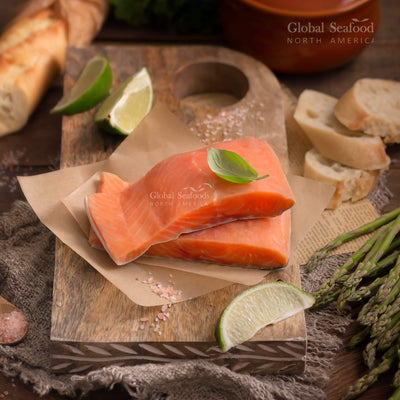
When it comes to premium seafood, few delicacies rival the rare Atlantic salmon farm fillet. Known for its buttery texture, rich marbling, and delicate flavor, this high-end salmon is a favorite among chefs, sushi lovers, and health-conscious foodies.
In this guide, we'll explore what rare Atlantic salmon is and how it differs from regular salmon, its luxurious texture and taste profile, the health benefits and nutritional value of farmed Atlantic salmon, and sustainable farming practices that ensure ethical sourcing.
Shop the best Atlantic and wild salmon:
What is Rare Atlantic Salmon?
A Luxurious Delicacy
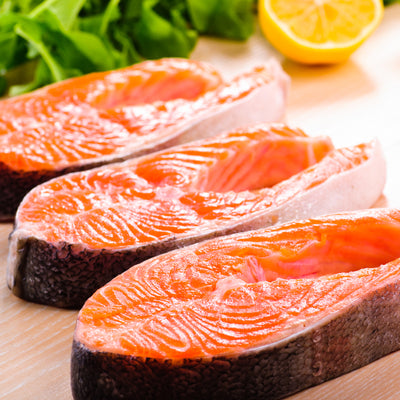
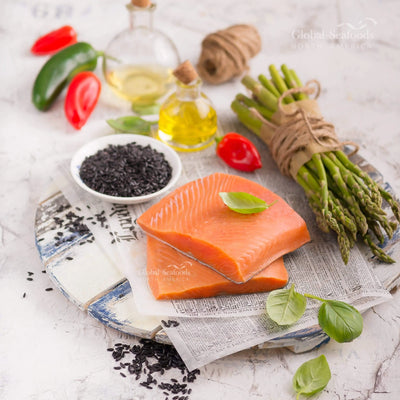
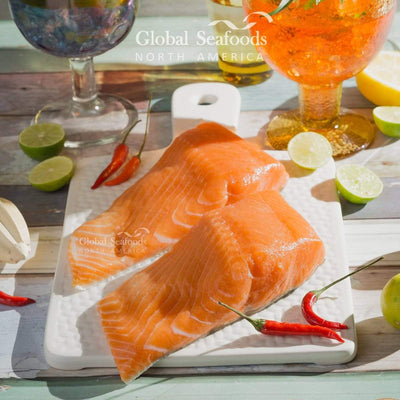
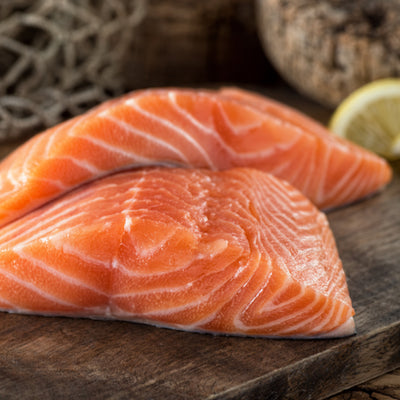
Rare Atlantic salmon, also known as Otoro salmon or Seki salmon, is a premium-grade, high-fat salmon prized for its exceptional marbling, melt-in-your-mouth texture, and rich umami flavor.
Unlike regular farmed salmon, rare Atlantic salmon is carefully bred and selected for its superior fat content, making it one of the most indulgent seafood options available.
Try the finest salmon fillets: Shop Coho Salmon Portions
Texture and Flavor Profile
- Buttery and Succulent – The high-fat content gives rare Atlantic salmon a smooth, silky texture
- Delicate Umami Flavor – A perfect balance of natural sweetness and briny richness
- Juicy and Moist – Unlike leaner salmon, rare farmed Atlantic salmon stays tender even when cooked
- Perfect for Sushi and Sashimi – Due to its superior texture, this salmon is often enjoyed raw in sushi or sashimi
Did You Know? Rare Atlantic salmon has a texture similar to Otoro (fatty tuna), making it an excellent sushi-grade fish. Its high intramuscular fat creates the same luxurious mouthfeel prized in premium Japanese cuisine.
Health Benefits of Rare Atlantic Salmon
Beyond its luxurious taste, rare Atlantic salmon is packed with essential nutrients that support overall health.
1. Rich in Omega-3 Fatty Acids
- Supports heart health by reducing inflammation
- Improves brain function and cognitive performance
- Enhances skin health for a natural glow
2. Excellent Source of Protein
- Provides muscle-building, high-quality protein (approximately 20–22g per 3.5 oz serving)
- Keeps you full and satisfied, helping with weight management
3. Loaded with Essential Vitamins and Minerals
- Vitamin D – Supports bone health and immunity
- Vitamin B12 – Essential for red blood cell production and brain function
- Selenium and Antioxidants – Help reduce oxidative stress and boost metabolism
Boost your health with nutrient-rich salmon: Shop Copper River King Salmon
Sustainable Farming: The Future of Premium Salmon
1. Why Choose Sustainably Farmed Salmon?
Due to overfishing concerns, sustainably farmed Atlantic salmon is an eco-friendly alternative that offers:
- High-quality fish without depleting wild stocks
- Strict farming regulations that prevent disease and contamination
- Ethical farming practices that prioritize fish welfare and environmental health
2. Look for Certification Labels
When buying farmed salmon, check for:
- ASC (Aquaculture Stewardship Council) Certification – Ensures responsible farming practices and environmental accountability
- MSC (Marine Stewardship Council) Label – Guarantees sustainable fishing practices
- Organic Farming Standards – Indicates clean, chemical-free farming methods
Best Ways to Enjoy Rare Atlantic Salmon
1. Sushi and Sashimi
- Thinly sliced, served raw with soy sauce, wasabi, and pickled ginger
- Best way to enjoy the buttery texture and natural umami flavor
2. Lightly Seared (Tataki-Style)
- Quick-sear in a hot pan for 30 seconds per side — the center remains raw
- Serve with ponzu sauce, fresh herbs, and thinly sliced scallions
3. Grilled or Pan-Seared
- Sear on medium heat for 4–5 minutes per side to retain juiciness
- Pairs well with citrus glaze or miso sauce
4. Smoked or Cured (Gravlax)
- Enjoy as cold-smoked lox on bagels with cream cheese and capers
- Perfect for charcuterie boards and gourmet appetizers
- For gravlax, cure with salt, sugar, and fresh dill for 24–48 hours in the refrigerator
Watch recipe videos on Global Seafoods YouTube
Conclusion: Experience the Luxury of Rare Atlantic Salmon
Rare Atlantic salmon farm fillet is a true gourmet experience, offering:
- A buttery, melt-in-your-mouth texture
- Rich umami flavor, perfect for sushi and sashimi
- High omega-3s, protein, and essential nutrients
- Sustainably farmed options for eco-conscious seafood lovers
Whether you enjoy it raw, lightly seared, smoked, or grilled, rare Atlantic salmon elevates any dish with unparalleled flavor and texture.
Shop Rare Atlantic and Wild Salmon Fillets
For more seafood tips, recipes, and gourmet guides, visit Global Seafoods on YouTube
Frequently Asked Questions (FAQs)
Q: What makes rare Atlantic salmon different from regular farmed salmon?
A: Rare Atlantic salmon is selectively bred and graded for exceptionally high intramuscular fat content — similar to how Wagyu beef is graded for marbling. Regular farmed Atlantic salmon has a fat content of roughly 10–12%, while rare-grade fish can reach 15–20%+. This produces the buttery, melt-in-your-mouth texture and deeper umami flavor that distinguishes it from commodity farmed salmon.
Q: Is farmed Atlantic salmon safe to eat raw?
A: Yes, when purchased as sushi-grade from a reputable supplier. Sushi-grade farmed Atlantic salmon has been handled and frozen to FDA-recommended parasite-destruction standards (typically −20°C / −4°F for 7 days or −35°C for 15 hours). Always buy from trusted sources and keep refrigerated until serving.
Q: How should I store rare Atlantic salmon?
A: Keep refrigerated at 32–39°F (0–4°C) in the coldest part of the fridge. Consume within 2 days of opening for optimal freshness. For longer storage, freeze at 0°F (-18°C) for up to 3 months. Thaw overnight in the refrigerator — never at room temperature.
Q: Is farmed Atlantic salmon as healthy as wild-caught salmon?
A: It depends on the farming standards. Premium sustainably farmed Atlantic salmon (ASC-certified, antibiotic-free) offers comparable omega-3s, protein, and vitamins to wild salmon. However, wild-caught salmon — particularly wild King or Sockeye — has a more favorable omega-3 to omega-6 ratio, natural astaxanthin (vs. synthetic in most farmed), and no antibiotic exposure. For raw preparations, both are excellent; for everyday health eating, wild-caught is the superior choice.
Q: What is the best sauce or pairing for rare Atlantic salmon sashimi?
A: For sashimi, ponzu sauce (citrus soy) is the classic pairing — its acidity cuts through the richness of the fat. Yuzu kosho (fermented citrus chili paste) adds heat and brightness. For a Western approach, a light lemon-caper vinaigrette or crème fraîche with fresh dill complements the buttery flavor without overpowering it. Avoid heavy sauces that mask the delicate umami.




Related Products


Also in News

Snail Caviar: How White Escargot Caviar Is Farmed, Harvested and Made

The Dark Years of Pacific Salmon: A 20-Year Outlook for Alaska, Russia, and the Red Caviar Market

King Crab Legs Delivery: Is It Worth It? Exploring the Benefits and Best Options
Shop Now
Main
