Fish is wonderful, cleaned fairly well. Great tast, priced well. The only comment I have is about delivery. We live is sunny/humid/rainy Florida. Thankfully my whife came home 3 hours earlier from work that day. I whish my wife would have taken a picture or video. The Fish, by her description was barely cool to the touch, all ice was melted and the fish floating in water which she said was close to being room temperature. In the past I have always asked for extra ice and would receive by request. In the future I guess I should always ask for extra ice. Which in the past the company has fulfilled my request without complications or issues.
V
Vladimir Nechaev
Great taste. Super convenient.
Fresh King Salmon (Chinook) — Wild-Caught, Alaska & Washington
2 reviews
$ 175.00 USD
About This King Salmon
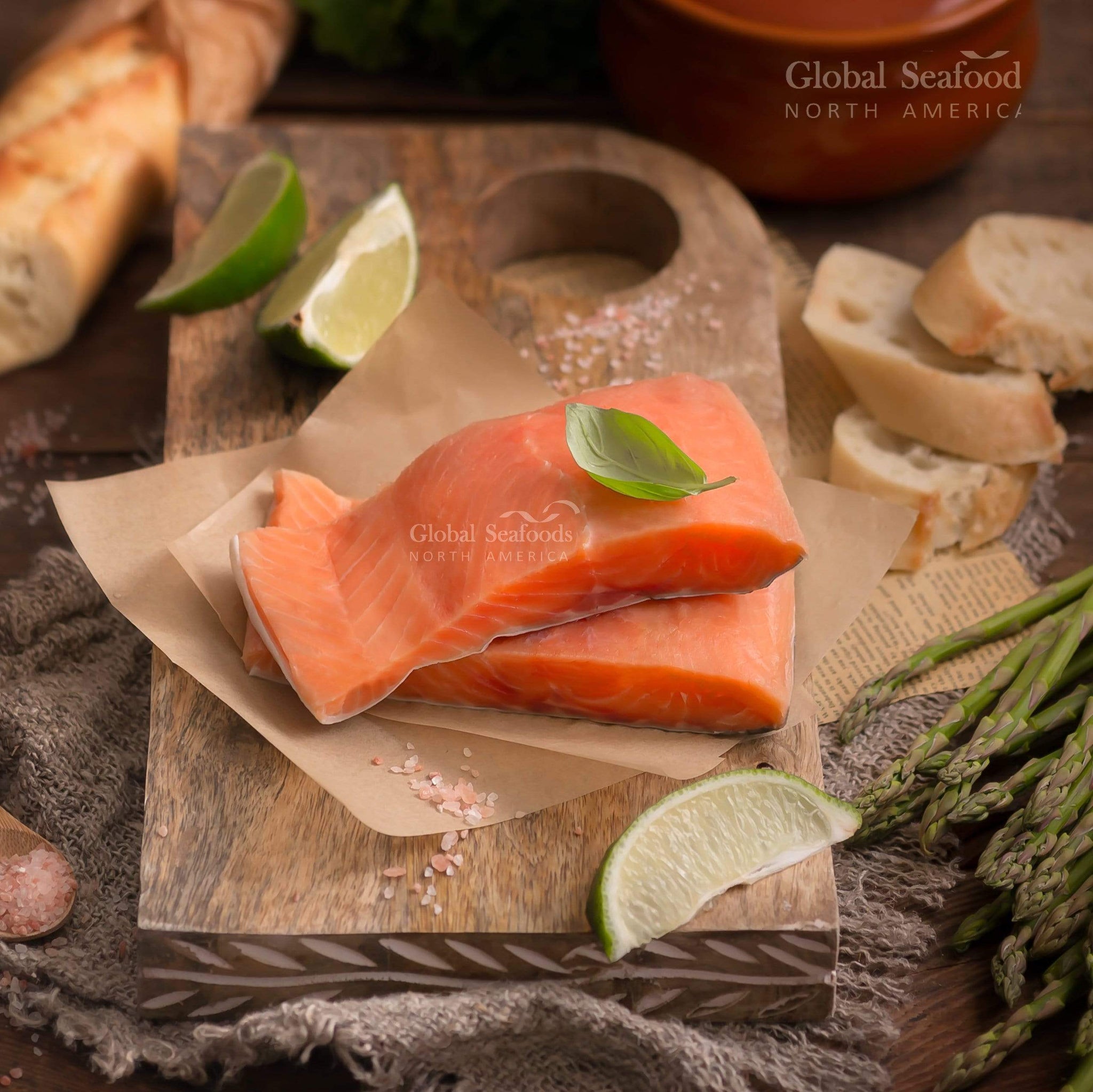
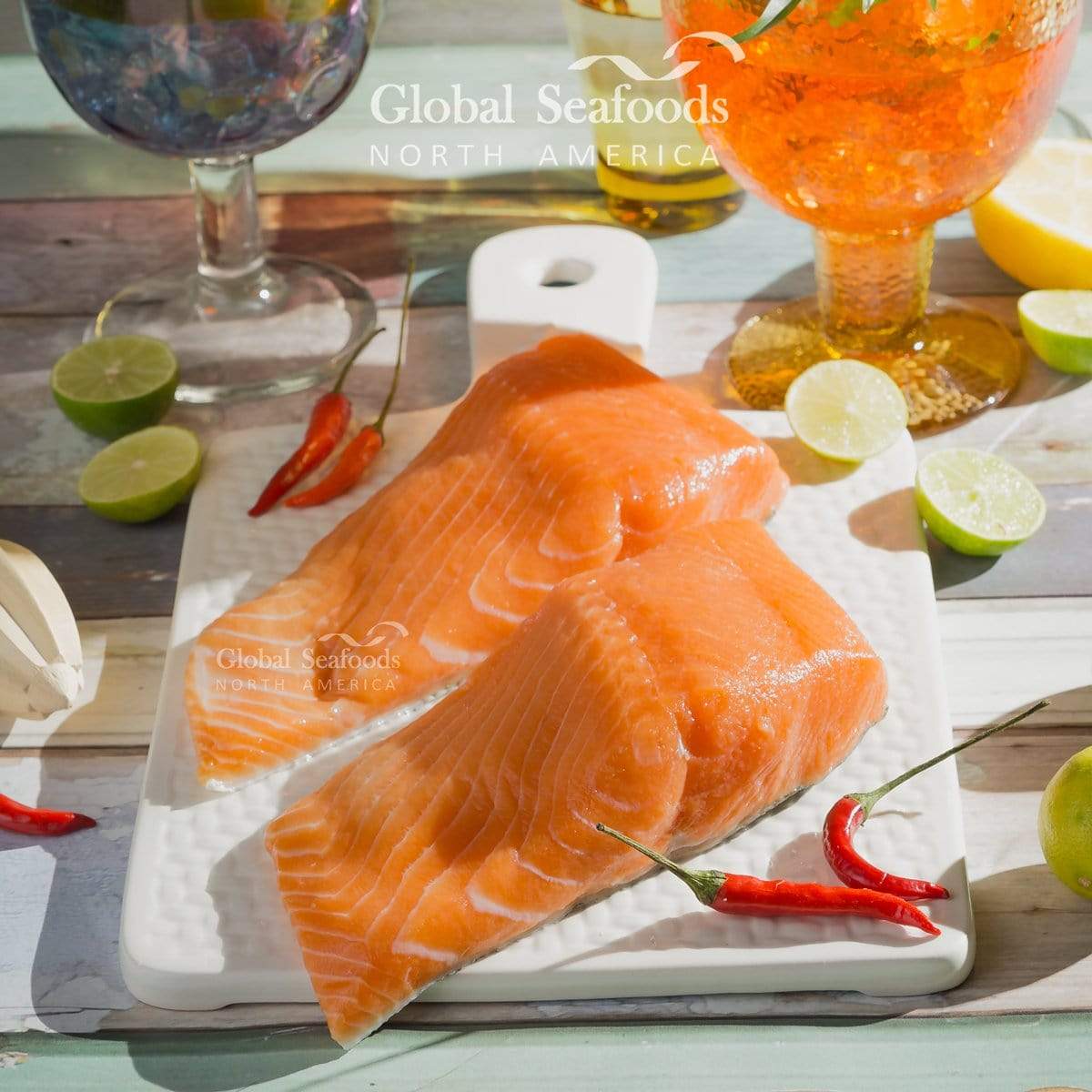
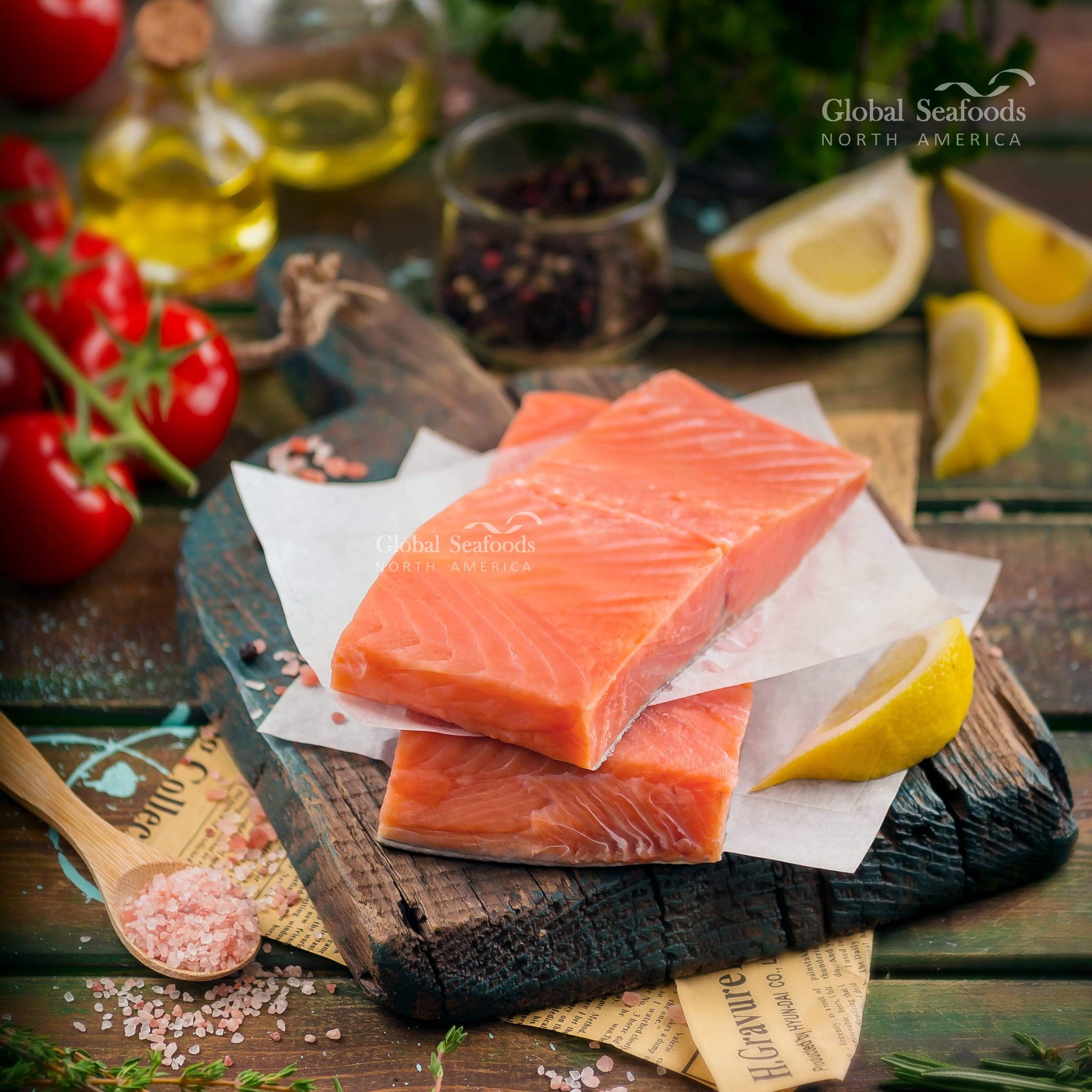
Fresh wild-caught King Salmon, seasonally sourced from Alaska and Washington.
King Salmon has the highest natural oil content of any Pacific salmon. That fat is distributed evenly through the muscle, producing thick, silky flesh with a rich buttery flavor, natural sweetness, and a clean ocean finish that sets it apart from every other salmon variety.
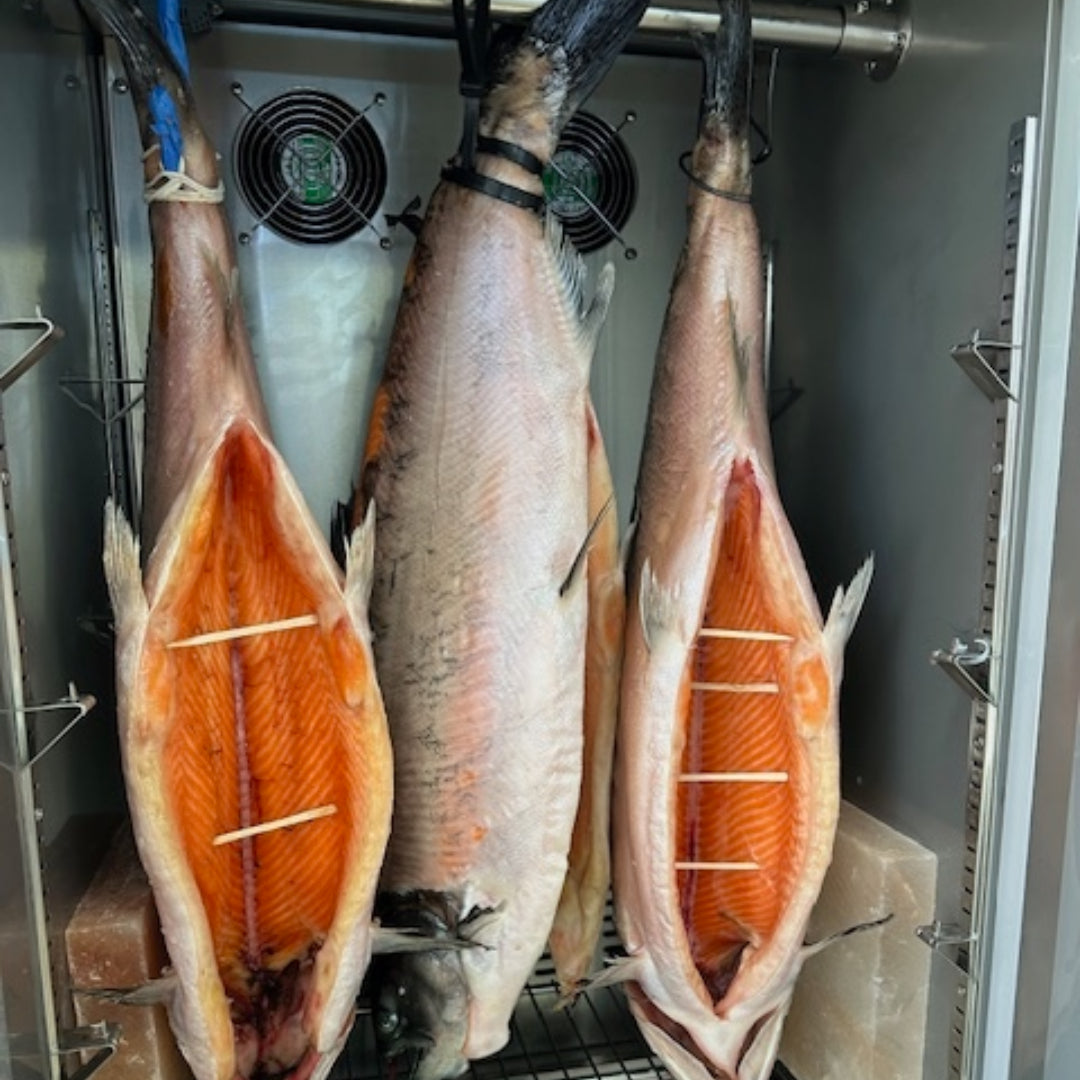
Early summer through August: Alaskan King Salmon, trawl-harvested, head-on and gutted. After August: local Washington King Salmon from tribal fisheries. Exact origin and preparation vary by lot.
Product Details
Product type: Fresh wild King Salmon
Seasonal sourcing: Alaska (early summer–August) and Washington tribal fisheries (after August)
Preparation: Head-on and gutted for Alaska format when listed; confirm selected variant
Delivery: Carefully chilled for fresh lots; follow frozen handling instructions when applicable
Origin: Alaska or Washington, confirmed by lot and delivery date
Nutritional Benefits
Rich in omega-3 fatty acids and high-quality protein.
Naturally oily flesh helps retain moisture during grilling, roasting, and smoking.
Provides vitamin D, vitamin B12, and selenium.
Using the collar, belly, bones, and trim helps reduce waste from a whole fish.
How to Cook
Pat dry and season just before cooking. The high fat content means King Salmon cooks quickly and stays moist — pull it just before it looks done. Residual heat finishes it.
Pan-sear skin-side down until the skin is crisp and releases cleanly, then finish gently on the flesh side.
Grill over medium-high heat with skin on. The fat renders and bastes the flesh from within.
Roast at 400°F with lemon, dill, garlic, or butter until just opaque.
Smoke the belly or thick portions. King Salmon absorbs smoke deeply without drying out.
Cure the belly or fillet for gravlax or lox. The fat produces silky, translucent results.
Collar: grill or broil. Bones: use for rich stock or soup.
Frequently Asked Questions
What makes King Salmon different from other salmon?
King Salmon has the highest natural oil content of any Pacific salmon. That fat is distributed evenly through the muscle, producing silky, richly marbled flesh that stays moist under grilling, roasting, smoking, and curing.
Where does this King Salmon come from?
Seasonally from Alaska early summer through August and from local Washington tribal fisheries after August. Exact origin varies by lot.
Is the fish head-on and gutted?
Head-on, gutted preparation is available for Alaska-sourced lots when listed. Check the selected variant and order confirmation.
Is this fish fresh or frozen?
Fresh lots are chilled for delivery. Some lots may ship frozen. Confirm in your order confirmation and follow the receiving instructions.
Is it suitable for sushi or sashimi?
Only when specifically labeled and handled for raw consumption by the supplier. Freshness alone does not make ordinary salmon sushi-grade.
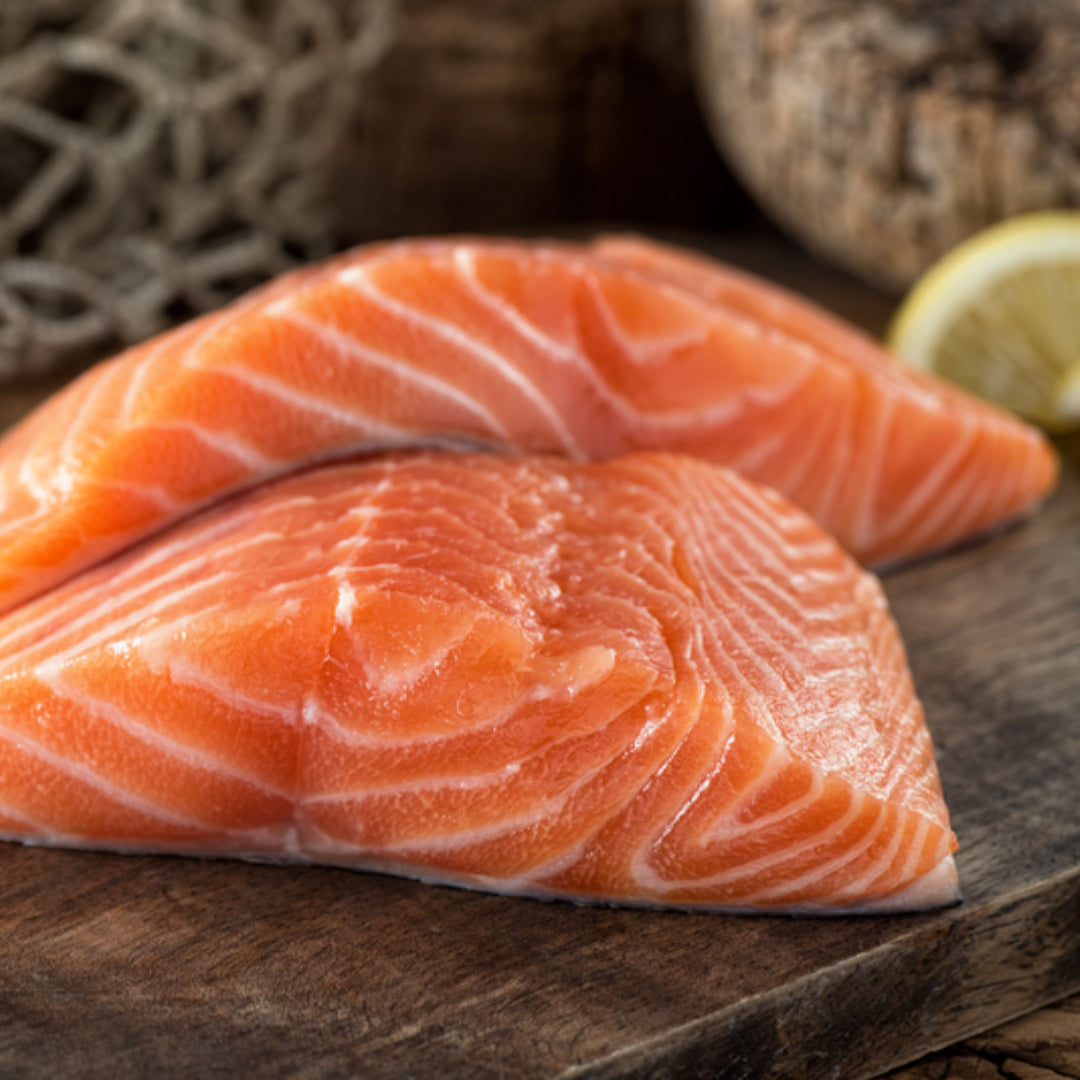
Fresh King Salmon (Chinook) — the richest, most deeply marbled of all Pacific salmon. Wild-caught from Alaska and Washington, each fish delivers thick, silky flesh with a buttery, full-bodied flavor and a clean ocean finish.
Our King Salmon is seasonally sourced. From early summer through August, we source Alaskan King Salmon trawl-harvested and prepared head-on and gutted. After August, availability shifts to local Washington King Salmon harvested by tribal fisheries. Origin and harvest details can vary by lot — check your order confirmation for the current source.
Alaska vs. Washington: Understanding the Difference
Both sources produce exceptional King Salmon, but they are different fish at different stages — and that matters for quality, flavor, and handling.
Alaskan King Salmon are actively feeding in the open ocean when harvested. They eat heavily — shrimp, candlefish (eulachon), and other rich prey — which builds the fat reserves and vivid flesh color the species is known for. However, the belly fat of ocean-feeding fish is delicate and can deteriorate quickly after harvest if not chilled immediately and processed fast. This is why sourcing from a careful, experienced handler matters as much as the fish itself.
Washington King Salmon, harvested after August by local tribal fisheries, are fish that have returned from the ocean and are preparing to spawn. They have stopped feeding and are drawing on stored energy reserves. The flesh remains firm, flavorful, and high-quality — with a leaner belly that holds up better during cooking and whole-fish breakdown. Washington tribal harvests are carefully managed and represent a local, traceable, and seasonally distinct product.
Neither is simply better. They are different products from different moments in the salmon life cycle, and experienced buyers and chefs often prefer each for different preparations and seasons.
Flesh Color: From Deep Red to Ivory White
King Salmon (Chinook) is unique among Pacific salmon in that the flesh can range from deep coral-red to pale ivory-white — and both are premium. The color comes from carotenoid pigments, primarily astaxanthin, absorbed through diet in the wild. A small percentage of Chinook — sometimes called white king salmon — have a genetic variation that prevents them from storing astaxanthin in the muscle tissue. The result is ivory or pale-colored flesh with identical fat content, texture, and nutritional value.
White King Salmon was considered inferior for decades. That changed roughly 30 years ago when chefs and specialty buyers recognized it as a distinct and prized product. Today it commands a premium in fine dining and specialty seafood markets. The science behind why some Chinook carry this trait is not fully understood — it is not reliably tied to a specific run, river, diet, or season. If your fish arrives with pale or white flesh, it is one of the rarest and most sought-after forms of wild salmon available.
Flavor and Texture
Whether red or white, King Salmon flesh is naturally loaded with omega-3 fat distributed evenly through large, loose flakes. The result is meat that stays moist under high heat, flakes in thick silky layers, and carries a rich, buttery sweetness with a faint brininess and a long, clean finish. The fat content also means it takes smoke and cured preparations exceptionally well, absorbing flavor deeply without drying out.
Seasonal Sourcing
Early summer through August: Alaskan King Salmon, actively feeding on shrimp and candlefish. Trawl-harvested, head-on and gutted. Rich belly fat — chill and process promptly after harvest.
After August: Washington King Salmon from local tribal fisheries. Pre-spawn fish with firm, flavorful flesh and a leaner belly that holds up well during whole-fish preparation.
Exact origin and preparation may vary by lot. Confirm in your order details.
Head-On, Gutted — Whole Fish
Keeping the head on preserves the collar, cheeks, and bones, which add flavor and allow you to use more of the fish. The collar is excellent grilled or broiled. The belly is ideal for smoking or curing. The bones make a deeply flavored stock. Use a sharp flexible knife and a stable board when breaking down a whole fish at home.
How to Cook King Salmon
Pan-sear: Pat dry, season just before cooking, and sear skin-side down over medium-high heat until the skin is crisp. Finish gently on the flesh side. Pull just before it looks fully done.
Grill: Brush with oil, keep the skin on, and cook over medium-high heat. The fat bastes the flesh from within as it renders.
Roast: Roast with lemon, dill, garlic, or butter at 400°F until the thickest part is just opaque.
Smoke: Use the belly or thick portions. King Salmon takes smoke exceptionally well. Pair with our smoked salmon if you want a ready-to-eat option.
Cure: Salt-cure the belly or fillet for gravlax or lox. The fat produces silky, translucent results.
Collar and bones: Grill or broil the collar and use bones for a rich fish stock or soup base.
Explore More Wild Salmon
If you enjoy King Salmon, you may also want to explore our other wild Pacific salmon: browse the full salmon collection, including Coho Salmon for a leaner option, Sockeye Salmon for intense color and rich flavor, or our smoked salmon selections for a fully prepared product ready to serve.
Storage and Receiving
Refrigerate fresh lots at 32–38°F and cook within 1–2 days of arrival.
Keep frozen shipments at 0°F or below. Thaw slowly in the refrigerator and do not refreeze after thawing.
Keep raw salmon away from ready-to-eat foods and wash hands, knives, and boards after handling.
Return and Refund Policy
All sales are final. Due to the perishable nature of fresh and frozen seafood, we do not accept returns and cannot issue refunds once an order has shipped. If your order arrives damaged, in poor condition, or incorrectly packed, contact us within 24 hours of delivery with photos and your order number so we can review and resolve the issue promptly.
Frequently Asked Questions
What makes King Salmon different from other salmon?
King Salmon has the highest natural oil content of any Pacific salmon variety. That fat is distributed through the muscle tissue, producing deeply marbled, silky, rich-tasting flesh that stays moist during grilling, roasting, smoking, and curing.
Is Alaska or Washington King Salmon better?
They are different, not ranked. Alaskan Chinook are actively feeding in the ocean on shrimp and candlefish when harvested, building maximum fat reserves and vivid color, but the belly fat requires prompt chilling and careful handling. Washington King Salmon, harvested after August by tribal fisheries, are pre-spawn fish with firm, flavorful flesh and a leaner belly that holds up especially well during whole-fish preparation and cooking.
Why is the belly fat on Alaskan King Salmon so delicate?
Ocean-feeding Chinook consume large amounts of oily prey such as shrimp and candlefish (eulachon), rapidly building rich belly fat that is highly perishable and can deteriorate quickly after harvest if not chilled and processed promptly.
Why is the flesh sometimes white instead of red?
A small percentage of Chinook salmon have a genetic variation that prevents them from binding carotenoid pigments in their muscle tissue. The result is pale ivory or white flesh with the same fat content, texture, and nutritional value as red-fleshed King Salmon. White King Salmon is now recognized as rare and premium.
Is white King Salmon lower quality?
No. White King Salmon has identical fat content, texture, flavor richness, and nutritional value. It is rarer and commands a premium in specialty markets and fine dining.
What does King Salmon taste like?
Rich, buttery, and full-bodied, with a natural sweetness, faint brininess, and a long clean finish. The flavor is more complex and deeper than Coho, Sockeye, or Atlantic salmon.
What is the texture like?
The flesh is thick and silky, with large, loose flakes and a moist, almost creamy quality from the high fat content. It does not become dry or rubbery when cooked gently.
Where does this King Salmon come from?
Seasonally from Alaska early summer through August and from local Washington tribal fisheries after August. Exact origin varies by lot — confirm in your order details.
Is the fish head-on and gutted?
Head-on, gutted whole-fish preparation is available for Alaska-sourced lots when listed. Check the selected variant and order confirmation for the exact preparation.
Is this fish fresh or frozen?
Fresh lots are carefully chilled for delivery. Some lots may ship frozen to preserve quality. Confirm with your order confirmation and follow the receiving instructions supplied.
What parts of a whole King Salmon can I use?
Fillets and steaks for grilling, roasting, and pan-searing. The collar for grilling or broiling. The belly for smoking or curing. The bones for stock or soup.
How should I store it?
Fresh: refrigerate at 32–38°F and cook within 1–2 days. Frozen: store at 0°F or below, thaw in the refrigerator, and do not refreeze after thawing.
Can I return or get a refund?
All sales are final. We do not accept returns on perishable seafood. If your order arrives in poor condition, contact us within 24 hours of delivery with photos and your order number.
Is King Salmon suitable for sushi or sashimi?
Only when specifically labeled and handled for raw consumption by the supplier. Freshness alone does not make ordinary salmon sushi-grade.
Fish is wonderful, cleaned fairly well. Great tast, priced well. The only comment I have is about delivery. We live is sunny/humid/rainy Florida. Thankfully my whife came home 3 hours earlier from work that day. I whish my wife would have taken a picture or video. The Fish, by her description was barely cool to the touch, all ice was melted and the fish floating in water which she said was close to being room temperature. In the past I have always asked for extra ice and would receive by request. In the future I guess I should always ask for extra ice. Which in the past the company has fulfilled my request without complications or issues.