
Discover the Magnificent Sturgeon Behind Luxurious Caviar

Sturgeon Behind Luxurious Caviar
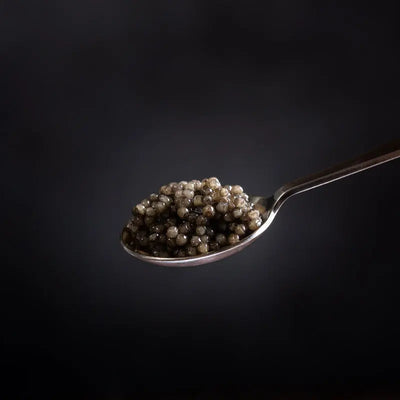
Caviar is synonymous with elegance and indulgence, but behind this iconic delicacy lies the remarkable sturgeon. This prehistoric fish has been an integral part of the caviar industry for centuries, revered for its roe, which is transformed into one of the most sought-after culinary delights. Understanding the life and habitat of the sturgeon adds depth to the appreciation of caviar and highlights the importance of sustainability in its production.
Sturgeon: A Prehistoric Marvel
Sturgeons have roamed the earth’s waters for over 200 million years, making them one of the oldest species still in existence. These fascinating creatures are known for their large size, with some reaching lengths of 20 feet and weighing over 2,000 pounds.
Sturgeon Habitat
Sturgeons thrive in the freshwater rivers, lakes, and coastal areas of Europe, Asia, and North America. Key habitats include:
- Caspian Sea: The largest sturgeon population, producing premium Beluga, Ossetra, and Sevruga caviar.
- Amur River Basin: Home to Kaluga sturgeon, renowned for their large, flavorful roe.
- Mississippi River: Paddlefish sturgeon, a sustainable alternative to traditional caviar species.
Explore Paddlefish Caviar and Black Caviar Collections to discover more options.
The Sturgeon Life Cycle: A Key to Caviar
Slow Growth and Late Maturity
Sturgeons are slow-growing fish, taking between 8 to 20 years to reach reproductive age. This long maturation period contributes to the high value of caviar.
Roe Production
Female sturgeons produce roe (eggs) once they mature. These eggs are harvested carefully, ensuring minimal harm to the fish, especially in aquaculture settings where sustainability is prioritized.
The Role of Aquaculture
Modern caviar production increasingly relies on aquaculture, a controlled environment that:
- Protects wild sturgeon populations.
- Ensures a consistent supply of high-quality roe.
- Follows strict guidelines to maintain ethical and sustainable practices.
For sustainably sourced caviar, check out White Sturgeon Caviar and Kaluga Caviar.
Caviar Sustainability: A Shared Responsibility
The Threats to Sturgeon Populations
Sturgeon populations have declined due to:
- Overfishing: Unregulated fishing for caviar has devastated wild sturgeon numbers.
- Habitat Loss: Pollution and dam construction disrupt spawning grounds.
- Climate Change: Shifts in water temperature and quality impact sturgeon habitats.
Sustainable Caviar Practices
Efforts to ensure sustainable caviar production include:
- Responsible Fishing Regulations: Limits on wild sturgeon fishing to allow population recovery.
- Innovative Aquaculture: Techniques like hand-milking ensure the sturgeon remain healthy and continue producing roe.
- Conservation Partnerships: Collaborations with organizations to protect sturgeon habitats and raise awareness.
Support sustainable choices with California White Sturgeon Caviar and Siberian Sturgeon Caviar.
How to Enjoy Sturgeon Caviar
Caviar is more than a food; it’s an experience. To fully savor its rich flavor, consider these serving tips:
Classic Pairings
- Blinis or Toast Points: A neutral base enhances the briny richness of the roe.
- Crème Fraîche: Adds a creamy texture that complements the caviar.
- Champagne or Vodka: Elevate the experience with classic beverages that cleanse the palate.
Modern Creations
- Sushi and Nigiri: Add a luxurious touch with caviar as a topping.
- Seafood Pasta: Incorporate caviar into creamy pasta dishes for a gourmet twist.
- Oysters: A dollop of caviar enhances the oceanic flavor of fresh oysters.
Explore Ossetra Sturgeon Caviar for a luxurious dining experience.
FAQs About Sturgeon and Caviar
1. Where do sturgeons live?
Sturgeons inhabit freshwater rivers and lakes, as well as coastal areas, primarily in the Caspian Sea, Black Sea, and North America.
2. Why is sturgeon caviar so expensive?
The long maturation time, careful harvesting, and sustainable practices contribute to its high value.
3. How can I identify sustainable caviar?
Look for reputable suppliers like Global Seafoods that follow ethical and sustainable practices.
4. Are there alternatives to sturgeon caviar?
Yes, options like Paddlefish Caviar and trout roe offer similar textures and flavors at a more accessible price.
Conclusion: A Future for Caviar
The sturgeon is more than just the source of caviar; it is a symbol of resilience and elegance. By supporting sustainable practices and choosing ethically produced caviar, we can ensure the preservation of these majestic fish and the continuation of this culinary tradition.
Discover premium options at Global Seafoods:
For more insights, visit our YouTube Channel:
🎥 Global Seafoods YouTube Channel
Embrace the legacy of sturgeon and indulge in the world’s most luxurious delicacy—caviar.
Also in News

Halibut Nutrition Facts: Everything You Need to Know

Crab vs. Lobster: Which is Healthier?

The Health Benefits of Ikura: What You Need to Know
Shop Now
Main
