
Master the Art of Flounder Fishing: Top Techniques for Anglers

Flounder Fishing Techniques
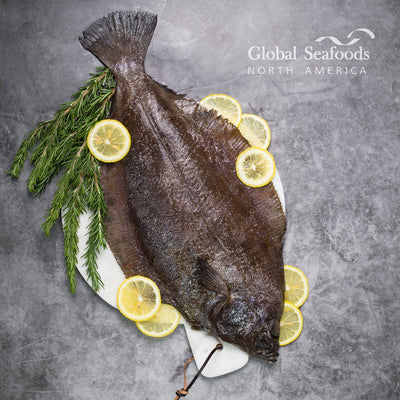
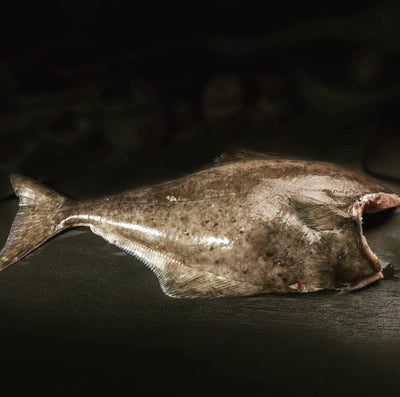
Flounder are bottom-dwelling flatfish known for their camouflage and ambush feeding style -- they lie motionless on sandy or muddy bottoms and strike at passing prey. Understanding this behavior is the foundation of every effective flounder fishing technique. This guide covers gear, five proven techniques, tips for increasing catch rate, and two simple recipes for the catch.
For premium flatfish options: Global Seafoods Flatfish Collection | Pacific Dover Sole Fillets | Petrale Sole
Essential Gear
Rod and Reel
A medium-action spinning rod with a sensitive tip is ideal -- the sensitivity lets you detect flounder's characteristically subtle bite. Pair with a spinning reel with a reliable drag system.
Line
10- to 20-pound test monofilament or fluorocarbon. Fluorocarbon is nearly invisible underwater, which matters in clear water where flounder can be line-shy.
Hooks
Circle hooks or kahle hooks in sizes #2 to #4. Circle hooks tend to lodge in the corner of the fish's mouth, which makes catch-and-release easier and reduces gut-hooking.
Bait and Lures
Live bait is most effective: live minnows, shrimp, or small finger mullet. For artificial options, soft plastic lures that mimic shrimp or small fish work well -- add bait scent to increase effectiveness.
Technique 1: Drift Fishing
The most productive technique for covering ground and locating active fish. Best from a boat over sandy or muddy bottom.
- Allow the boat to drift slowly with the current -- use a drift sock if the current is too fast.
- Drop bait to the bottom. Keep contact with the bottom throughout the drift.
- Keep the line taut. When you feel a subtle tap or weight, wait 3-5 seconds before setting the hook -- flounder take a moment to fully commit to the bait.
Key tip: Flounder bites are often subtle -- a slight increase in weight or a soft tap rather than a sharp strike. Resist the urge to set the hook immediately.
Technique 2: Jigging
Effective from a pier, bridge, or anchored boat in deeper water. The vertical presentation mimics a wounded baitfish on the bottom.
- Use a bucktail jig or soft plastic on a jig head (1/4 to 1 oz depending on depth and current).
- Let the jig hit the bottom. Lift 4-6 inches, then let it fall back. Repeat with a slow, deliberate cadence.
- Tip the jig with a piece of fresh shrimp or cut bait to add scent -- this significantly increases strikes in low-visibility water.
Technique 3: Carolina Rig (Bottom Fishing)
The most reliable setup for stationary or slow-moving bottom presentations. The sliding sinker allows the fish to pick up the bait without feeling resistance.
- Thread a bullet or egg sinker onto the mainline. Tie a swivel below it.
- Attach a 12-18 inch fluorocarbon leader to the swivel. Tie a circle or kahle hook at the end.
- Bait with a live minnow or shrimp. Cast to the target area and let the rig settle to the bottom.
- Retrieve very slowly -- just enough movement to keep the bait alive and natural-looking.
Technique 4: Pier Fishing
Piers concentrate baitfish, which attracts flounder. The pilings and structure create ambush points that flounder use actively.
- Use a simple bottom rig or Carolina rig with live shrimp or minnows.
- Drop the bait along the edges of the pilings, not in open water -- flounder hold tight to structure.
- Let the bait sit. Avoid frequent recast; movement spooks flounder holding near structure.
- Fish the shadow lines at dawn and dusk -- flounder use the light/dark boundary to ambush prey.
Technique 5: Sight Fishing in Shallow Water
The most technical and rewarding technique. Best in clear, shallow water (1-4 feet) on calm days with good light.
- Wade slowly and quietly through shallow flats. Polarized sunglasses are essential -- they cut surface glare and allow you to see flounder lying on the bottom.
- Look for subtle outlines or disturbances in the sand -- flounder are well-camouflaged but their outline is visible once you know what to look for.
- Cast 12-18 inches in front of the fish, not directly on top of it. Let the bait settle, then twitch it gently.
Tips for Increasing Catch Rate
- Fish the right season: Summer and early fall are peak flounder season in most regions. Water temperature 65-75°F is optimal.
- Fish incoming tides: Rising water pushes baitfish onto flats and into structure, which activates flounder feeding. The first two hours of an incoming tide are typically the most productive.
- Move slowly: Flounder are ambush predators -- slow presentations outperform fast retrieves consistently.
- Add scent: In murky or low-visibility water, scented baits and lure additives significantly increase strikes.
- Wait on the hookset: The most common mistake is setting the hook too early. Give the fish 3-5 seconds after the initial bite before setting.
Cooking Your Catch: Two Simple Recipes
Lemon Butter Baked Flounder
- Flounder fillets
- 2 tbsp melted unsalted butter
- Salt and pepper
- Fresh dill or parsley
- Lemon wedges
- Preheat oven to 375°F.
- Pat fillets dry. Brush with melted butter, season with salt and pepper.
- Bake 10-12 minutes until the fish flakes easily with a fork (internal temp 145°F).
- Serve with fresh herbs and lemon wedges.
Grilled Flounder with Garlic and Herbs
- Flounder fillets
- Olive oil
- Fresh garlic, minced
- Fresh thyme and basil
- Lemon juice
- Preheat grill to medium-high. Oil the grates well -- flounder is delicate and sticks easily.
- Brush fillets with olive oil, season with garlic and herbs.
- Grill 3-4 minutes per side. Handle gently when flipping -- flounder fillets are thin and break easily.
- Finish with fresh lemon juice. Serve immediately.
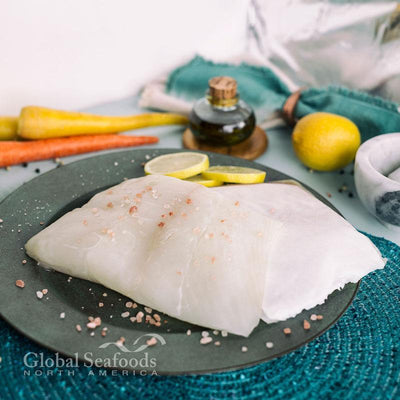
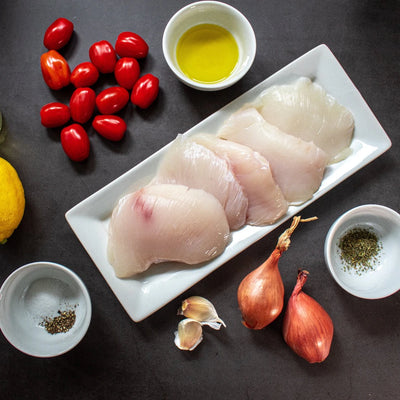
Note on flatfish products: Pacific Dover Sole and Petrale Sole are flatfish in the same family as flounder but are distinct species. Both have a similar mild, delicate flavor and work well in the same recipes. Global Seafoods Flatfish Collection
Watch seafood preparation videos on the Global Seafoods YouTube Channel
FAQs
When is the best time to fish for flounder?
Summer and early fall in most regions, with water temperatures between 65-75°F. Fish the first two hours of an incoming tide for peak activity.
What bait works best for flounder?
Live minnows, shrimp, and finger mullet are most effective. For artificials, soft plastic shrimp or paddle tail swimbaits with added scent work well.
How do you catch flounder from a pier?
Drop a Carolina rig or simple bottom rig with live bait along the edges of the pilings. Let it sit -- flounder hold tight to structure and don't respond well to frequent movement.
When should I set the hook?
Wait 3-5 seconds after the initial bite before setting the hook. Flounder take a moment to fully commit to the bait -- setting too early is the most common mistake.

Related Products


Also in News

Snail Caviar: How White Escargot Caviar Is Farmed, Harvested and Made

The Dark Years of Pacific Salmon: A 20-Year Outlook for Alaska, Russia, and the Red Caviar Market

King Crab Legs Delivery: Is It Worth It? Exploring the Benefits and Best Options
Shop Now
Main
