
The Culture and History of Beluga Caviar – A Symbol of Luxury

The Culture and History of Beluga Caviar: A Timeless Luxury
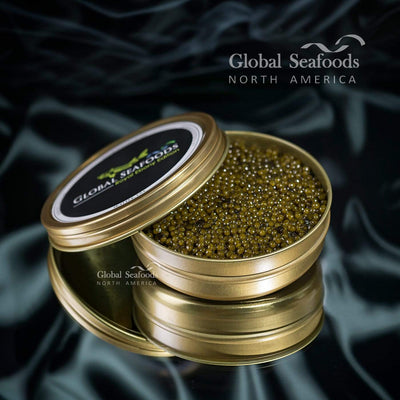
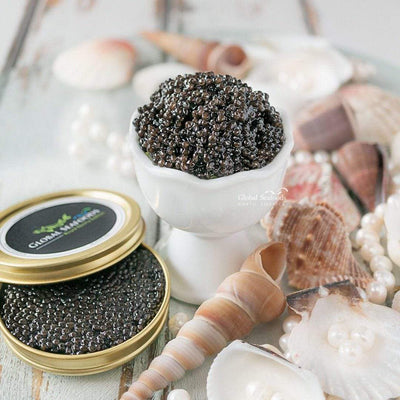
Beluga caviar is one of the most coveted delicacies in the world, symbolizing luxury, refinement, and exclusivity. Sourced from the Beluga sturgeon (Huso huso), this exquisite caviar boasts large, buttery pearls that offer a silky texture and a rich, nutty flavor. Beyond its culinary appeal, Beluga caviar has a fascinating history rooted in royal traditions, ancient cultures, and global prestige.
In this guide, we'll explore the origins and historical significance of Beluga caviar, how it became the ultimate symbol of wealth, modern-day sustainable caviar production, and the best ways to enjoy this gourmet delicacy.
For premium caviar selections:
The Origins of Beluga Caviar: A Journey Through Time
Ancient Beginnings: Persian and Greek Influence
The history of caviar dates back over 2,500 years, with the Persians being among the first to harvest sturgeon roe from the Caspian Sea. They believed that consuming caviar would provide strength, vitality, and longevity.
The Greeks and Romans later adopted the delicacy, making it a staple at lavish feasts. Greek historian Aristotle described caviar as a prized dish reserved for the elite.
Medieval Russia: The Rise of Caviar Culture
By the 9th century, Russian Tsars and nobility embraced Beluga caviar as the ultimate luxury. Fishermen along the Volga and Caspian rivers supplied sturgeon roe to the royal courts.
- Caviar became a diplomatic gift exchanged between Russian emperors and European monarchs
- The Orthodox Church allowed caviar consumption during fasting periods, significantly increasing its demand
19th Century: Caviar's European Prestige
During the 1800s, Russia and Persia dominated the global caviar trade, exporting Beluga, Ossetra, and Sevruga caviar to France, England, and America. French haute cuisine elevated caviar's status, serving it in Michelin-starred restaurants and royal banquets.
King Edward VII of England and Tsar Nicholas II of Russia were famous enthusiasts of Beluga caviar, further solidifying its elite reputation.
20th Century: Caviar's Global Expansion and Overfishing
By the 1900s, Beluga caviar had become a global luxury, served in New York's high-end restaurants and European fine dining establishments. However, the rising demand led to:
- Overfishing of wild Beluga sturgeon
- Declining sturgeon populations in the Caspian Sea
- Stricter regulations and conservation efforts
In 2005, the U.S. banned the import of wild Beluga caviar due to the sturgeon's endangered status, shifting focus toward sustainable caviar farming.
Beluga Caviar in Modern-Day Luxury and Fine Dining
Today, Beluga caviar is a staple at exclusive events, including Michelin-starred restaurants, luxury private jet catering, and royal banquets and high-profile celebrations.
Top chefs worldwide pair Beluga caviar with:
- Champagne or dry white wine
- Blinis with crème fraîche
- Buttered toast or brioche
For a premium selection of sustainable caviar:
Beluga Caviar vs. Other Caviar Varieties
| Caviar Type | Egg Size and Texture | Flavor Profile | Price and Prestige |
|---|---|---|---|
| Beluga | Large, delicate pearls | Buttery, smooth, slightly nutty | $$$$$ |
| Ossetra | Medium, firm texture | Nutty, slightly briny | $$$ |
| Sevruga | Small, tender pearls | Bold, salty, intense | $$ |
| Kaluga | Large, creamy texture | Buttery, rich, mild | $$$$ |
For gourmet caviar lovers:
The Future of Beluga Caviar: Sustainable Farming and Conservation
Due to overfishing, Beluga sturgeon is classified as critically endangered. To protect the species, sustainable aquaculture farms have emerged, ensuring:
- Ethical caviar production
- Non-invasive egg extraction methods
- Higher quality and consistent supply
Leading farms now produce high-quality farmed Beluga caviar, offering the same luxurious taste without harming wild populations.
Looking for sustainable caviar options?
Conclusion: A Culinary Treasure
Beluga caviar remains the ultimate symbol of elegance and indulgence. Whether served at luxurious events, Michelin-starred restaurants, or private gatherings, this delicacy continues to captivate the world with its exquisite taste and unmatched prestige.
For the finest caviar selection:
Frequently Asked Questions (FAQs)
Q: Why is Beluga caviar so expensive?
A: Beluga sturgeon take over 20 years to mature before producing roe, making the supply extremely limited. Combined with the species' critically endangered status, strict harvest regulations, and the labor-intensive harvesting process, Beluga caviar is one of the most valuable foods in the world — often priced at $200–$500 per ounce.
Q: How do I properly serve Beluga caviar?
A: Use a mother-of-pearl spoon to avoid altering the flavor — metal spoons can impart a metallic taste. Serve chilled on a bed of ice, ideally between 28–32°F (-2 to 0°C). Classic accompaniments include Champagne or vodka, blinis with crème fraîche, and lightly buttered brioche.
Q: Is Beluga caviar legal in the U.S.?
A: Wild Beluga caviar has been banned from import into the U.S. since 2005 under the Endangered Species Act due to the Beluga sturgeon's critically endangered status. However, sustainably farmed Beluga caviar — produced in aquaculture facilities outside the Caspian Sea — is legally available in the U.S.
Q: What is the best alternative to Beluga caviar?
A: Kaluga caviar is the closest alternative — it shares Beluga's large pearl size, buttery texture, and mild, rich flavor, and is sustainably farmed. Ossetra caviar offers a nuttier, slightly brinier profile at a more accessible price point. Both are available from Global Seafoods.
Q: What is the difference between Beluga and Kaluga caviar?
A: Both come from large sturgeon species and share a similar buttery, mild flavor profile with large pearls. The key difference is origin: Beluga (Huso huso) is from the Caspian Sea region and is critically endangered; Kaluga (Huso dauricus) is from the Amur River basin in China and Russia and is sustainably farmed. Kaluga is often called "River Beluga" for its near-identical taste.

Related Products


Also in News

Snail Caviar: How White Escargot Caviar Is Farmed, Harvested and Made

The Dark Years of Pacific Salmon: A 20-Year Outlook for Alaska, Russia, and the Red Caviar Market

King Crab Legs Delivery: Is It Worth It? Exploring the Benefits and Best Options
Shop Now
Main
