
Coho Salmon Caviar: Nutritional Benefits, Recipes, and Sustainability

Coho Salmon Caviar: Nutritional Benefits
Coho salmon caviar, often referred to as a “superfood,” is a delicacy cherished for its exquisite flavor and remarkable health benefits. This nutrient-dense food is loaded with omega-3 fatty acids, high-quality protein, and a wealth of vitamins and minerals, making it as good for your body as it is for your palate.
In this in-depth guide, we'll explore the nutritional advantages of Coho salmon caviar, offer tips on how to enjoy it, and discuss its role in sustainable seafood practices.
What is Coho Salmon Caviar?
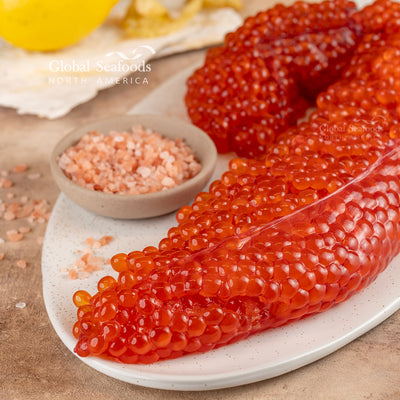
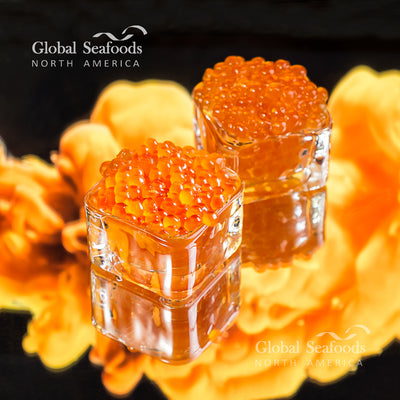
Coho salmon caviar comes from the roe of the Coho salmon, a species native to the North Pacific Ocean. Known for its vibrant orange color and delicate flavor, Coho salmon caviar is a versatile ingredient that's both a treat for the senses and a boost for your health.
Key Characteristics of Coho Salmon Caviar
- Color: Bright orange to deep reddish-orange.
- Flavor: Mildly tangy, with a clean, briny finish.
- Texture: Medium-sized pearls that burst with flavor.
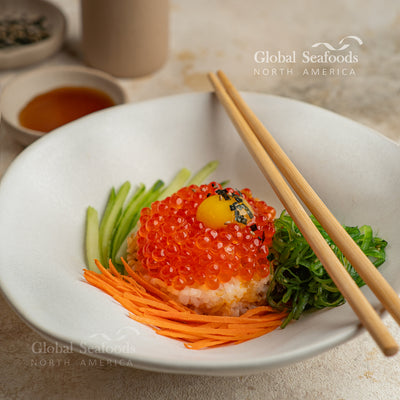
This delicacy is popular in dishes ranging from sushi to gourmet salads, and its mild taste makes it appealing even to those new to caviar.
Nutritional Profile of Coho Salmon Caviar
1. Omega-3 Fatty Acids
Coho salmon caviar is an excellent source of omega-3 fatty acids, which are vital for:
- Heart Health: Reduces triglycerides and supports healthy blood pressure.
- Brain Function: Enhances memory, mood, and cognitive performance.
- Joint Health: Alleviates inflammation and improves mobility.
According to the Harvard School of Public Health, omega-3s are crucial for overall health and well-being.
2. High-Quality Protein
Caviar provides complete protein, containing all essential amino acids. This is vital for:
- Muscle repair and growth.
- Supporting metabolic processes.
- Boosting energy levels.
3. Rich in Vitamins and Minerals
- Vitamin B12: Essential for red blood cell formation and neurological function.
- Vitamin D: Promotes bone health and strengthens the immune system.
- Selenium: Protects cells from damage and supports thyroid health.
- Iron: Prevents anemia and boosts energy production.
4. Low-Calorie Superfood
Despite its luxurious reputation, Coho salmon caviar is surprisingly low in calories, making it an excellent choice for weight-conscious individuals who want to indulge without guilt.
Health Benefits of Coho Salmon Caviar
1. Supports Cardiovascular Health
Omega-3 fatty acids in Coho salmon caviar help reduce bad cholesterol levels and improve heart function, lowering the risk of heart disease.
2. Enhances Brain Function
The DHA component of omega-3s supports cognitive health, reduces the risk of neurodegenerative diseases, and improves focus and memory.
3. Boosts Immune System
With its high selenium and Vitamin D content, caviar strengthens the immune system, helping the body fight infections and inflammation.
4. Promotes Healthy Skin and Hair
Caviar's antioxidants and healthy fats nourish the skin, reduce signs of aging, and improve hair texture and shine.
5. Elevates Energy and Combats Fatigue
Rich in Vitamin B12 and iron, Coho salmon caviar helps combat fatigue and promotes energy production.
Creative Ways to Serve Coho Salmon Caviar
Coho salmon caviar's versatility allows it to shine in both simple and elaborate dishes.
1. Classic Serving Ideas
- On Blinis with Crème Fraîche: A traditional and elegant pairing.
- Toast Points: Top buttered toast with caviar for a luxurious snack.
- Deviled Eggs: Add a dollop of caviar to elevate this party favorite.
2. Modern Recipes
Coho Salmon Caviar Pasta
- Ingredients: Pasta, olive oil, garlic, lemon zest, and caviar.
- Instructions: Cook pasta, toss with olive oil, garlic, and lemon zest, then garnish with caviar for a burst of flavor.
Caviar-Topped Potato Pancakes
- Ingredients: Grated potatoes, eggs, sour cream, and caviar.
- Instructions: Fry the potato pancakes, top with sour cream, and finish with a spoonful of caviar.
Caviar Sushi Rolls
- Ingredients: Sushi rice, nori, smoked salmon, avocado, and caviar.
- Instructions: Roll ingredients in nori and top with caviar for a gourmet twist.
Check out our YouTube channel for more inspiration.
Sustainability and Ethical Sourcing of Coho Salmon Caviar
Sustainably sourced Coho salmon caviar ensures the protection of marine ecosystems while maintaining high-quality standards.
1. Sustainable Fishing Practices
- Catch Limits: Preserving wild populations by regulating harvests.
- Selective Gear: Reduces bycatch and minimizes environmental impact.
2. Aquaculture Innovations
Modern aquaculture techniques mimic natural habitats, reducing the strain on wild fisheries while producing high-quality roe.
3. Certifications
Look for labels from organizations like the Marine Stewardship Council (MSC) to ensure your caviar is ethically sourced.
For sustainably sourced caviar, shop here.
Where to Buy Premium Coho Salmon Caviar
Purchasing from trusted suppliers ensures you receive authentic, high-quality caviar. At Global Seafoods, we offer a wide selection of premium products.
Our Bestsellers
Explore the full range here.
Frequently Asked Questions About Coho Salmon Caviar
1. How is Coho salmon caviar different from other caviar types?
Coho salmon caviar has medium-sized pearls, a mild tangy flavor, and a smooth texture, making it unique among red caviar varieties.
2. Can I freeze Coho salmon caviar?
While it can be frozen, refrigeration is recommended to preserve its delicate texture and flavor.
3. How should I store Coho salmon caviar?
Store at 28°F to 32°F in an airtight container. Once opened, consume within 2–3 days.
4. Is Coho salmon caviar sustainable?
Yes, when sourced responsibly, it supports conservation and marine ecosystem protection.
5. What are the health benefits of Coho salmon caviar?
It supports heart, brain, and immune health while promoting healthy skin, hair, and energy levels.
Conclusion
Coho salmon caviar is not just a gourmet treat—it's a nutritional powerhouse with numerous health benefits. From enhancing heart and brain health to promoting glowing skin and boosting energy, this superfood offers a luxurious way to nourish your body.
Ready to experience the perfect blend of flavor and health? Shop premium Coho salmon caviar today and elevate your culinary adventures.

Related Products


Also in News

Halibut Nutrition Facts: Everything You Need to Know

Crab vs. Lobster: Which is Healthier?

The Health Benefits of Ikura: What You Need to Know
Shop Now
Main
