
Roe Caviar: The Ultimate Guide to Enjoying This Gourmet Delicacy

Roe Caviar: A Gourmet Delicacy
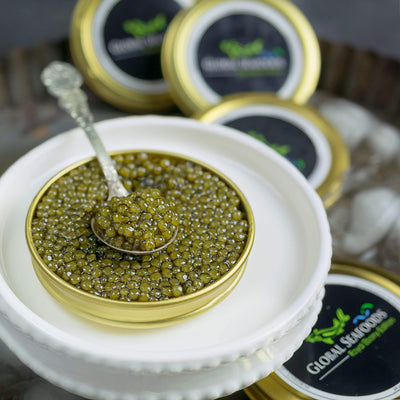
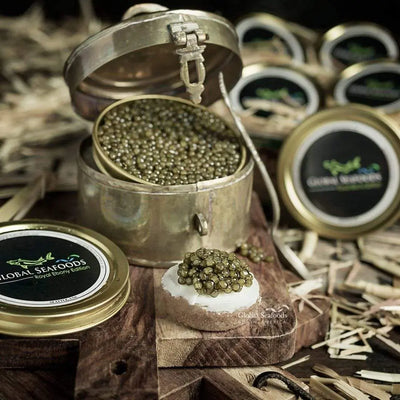
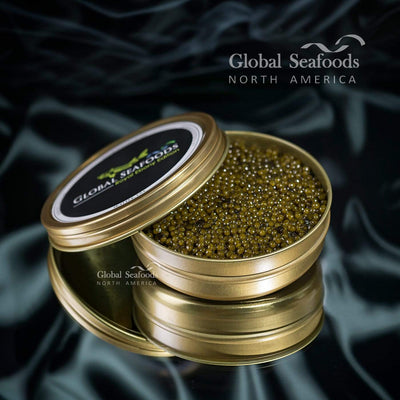
Roe caviar is more than a food; it’s an experience steeped in luxury and tradition. Known for its shimmering pearls and delicate flavors, roe caviar has captured the hearts of gourmands worldwide. Whether you’re a seasoned connoisseur or curious about this indulgent treat, this guide dives deep into the world of roe caviar, uncovering its origins, flavor profiles, and tips on serving it to perfection.
What Is Roe Caviar?
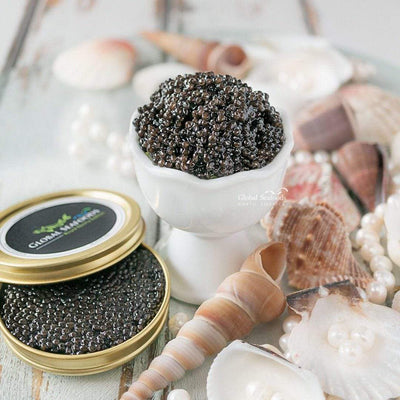
Roe caviar refers to the cured fish eggs of various species, most notably sturgeon, salmon, and trout. It has long been celebrated for its rich taste, textural complexity, and role in fine dining.
Key Characteristics of Roe Caviar
- Color and Appearance: Varies from deep black (Beluga) to vibrant orange (salmon) and golden yellow (trout).
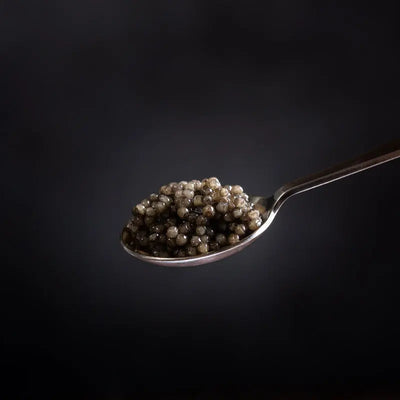
- Texture: Firm yet delicate eggs that burst in your mouth.
- Flavor: Ranges from buttery and nutty to briny and bold, depending on the species.
Whether you prefer the opulence of sturgeon roe or the approachable taste of salmon caviar, roe caviar offers a world of culinary possibilities.
Explore premium options at Global Seafoods’ red caviar collection.
The Origins of Roe Caviar
1. Traditional Roots
The most famous roe caviar traditionally comes from the Caspian Sea, home to Beluga, Osetra, and Sevruga sturgeons. These species are renowned for producing some of the finest caviar in the world.
2. Modern Producers
Overfishing and ecological concerns have led to the rise of sustainable caviar production in countries like:
- Russia: Known for maintaining traditional harvesting techniques.
- Iran: A major producer of high-quality sturgeon roe.
- United States: Emerging as a key player with sustainable options like salmon and trout roe.
Check out salmon caviar options for a sustainable and delicious choice.
Types of Roe Caviar and Their Flavor Profiles
1. Beluga Caviar
- Taste: Rich, creamy, and buttery.
- Texture: Large, soft eggs that melt in your mouth.
- Best Pairing: Champagne or dry white wine.
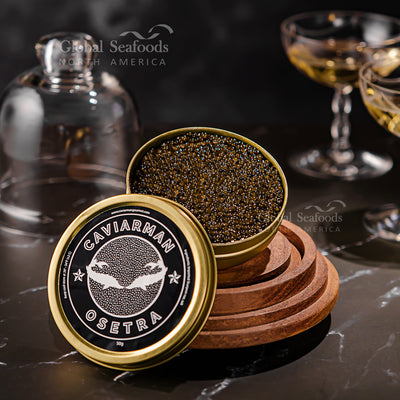
2. Osetra Caviar
- Taste: Nutty and slightly fruity with a creamy finish.
- Texture: Medium-sized eggs with a firm pop.
- Best Pairing: Blinis with crème fraîche.
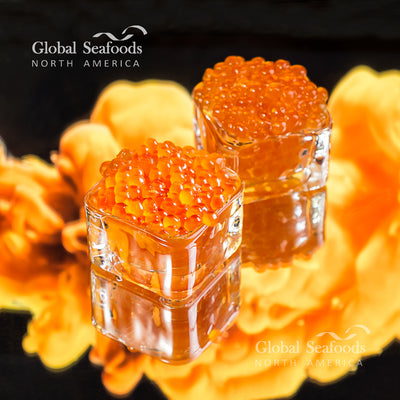
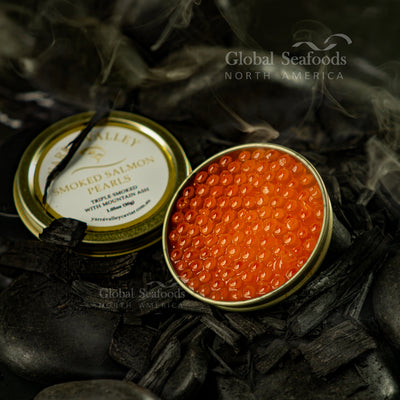
3. Salmon Roe (Ikura)
- Taste: Bold, briny, and slightly sweet.
- Texture: Vibrant orange eggs with a satisfying burst.
- Best Pairing: Sushi, toast points, or salads.
Explore premium salmon roe at Global Seafoods.
How to Serve Roe Caviar Like a Connoisseur
The way you serve caviar can elevate the entire experience.
1. Use the Right Utensils
- Opt for spoons made of mother-of-pearl, bone, or wood.
- Avoid metal spoons, as they can alter the delicate flavors.
2. Chill Before Serving
- Serve caviar on a bed of crushed ice to maintain its freshness.
- Keep the temperature between 28–32°F (-2–0°C).
3. Pair with Classic Accompaniments
- Blinis, toast points, or crackers.
- Garnish with crème fraîche, finely chopped onions, or lemon zest.
4. Sip Thoughtfully
Pair your caviar with dry white wine, champagne, or premium vodka for a classic gourmet experience.
Learn more about serving roe caviar at Global Seafoods.
Health Benefits of Roe Caviar
Roe caviar isn’t just a treat for your taste buds—it’s packed with nutrients.
1. High in Omega-3 Fatty Acids
Supports brain health, reduces inflammation, and promotes heart health.
2. Rich in Vitamins
Provides essential vitamins A, D, and B12 for improved immunity and energy.
3. Excellent Source of Protein
Helps with muscle repair and overall nutrition.
4. Contains Antioxidants
Protects your cells and promotes healthy skin.
Sustainability and Ethical Considerations
With growing concerns about overfishing, choosing sustainable roe caviar is more important than ever. Look for certifications such as the Marine Stewardship Council (MSC) and products from sustainable fisheries.
Sustainable Alternatives
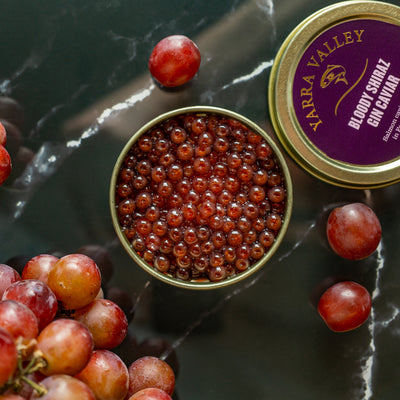
- Vegan Caviar: Made from seaweed, mimicking the taste and texture of traditional caviar.
- Farmed Caviar: Produced in eco-friendly aquaculture facilities.
Discover ethical options like Global Seafoods’ sustainable caviar products.
FAQs About Roe Caviar
Q1: Can Roe Caviar Be Frozen?
A: Yes, roe caviar can be frozen, but it’s best consumed fresh for optimal flavor. Store in an airtight container and freeze for up to 3 months.
Q2: Is Roe Caviar Vegetarian?
A: No, as it is derived from fish eggs. For plant-based alternatives, try vegan caviar.
Q3: How Do I Store Roe Caviar?
A: Keep it refrigerated at 28–32°F (-2–0°C) in an airtight container. Consume within 2–3 days of opening.
Q4: What Are Popular Pairings with Roe Caviar?
A: Classic pairings include blinis, crème fraîche, champagne, or vodka.
Q5: How Can I Tell If Caviar Has Gone Bad?
A: Spoiled caviar will have a strong, unpleasant odor, cloudy appearance, and a mushy texture.
Conclusion: Indulge in the Luxury of Roe Caviar
Roe caviar represents the pinnacle of gourmet indulgence. Its rich history, diverse flavors, and versatility make it a timeless delicacy. Whether you’re savoring Beluga caviar with champagne or adding salmon roe to sushi, the experience of roe caviar is unparalleled.
For premium selections, visit Global Seafoods’ curated collection and explore the finest roe caviar options.
Check out more seafood tips and recipes on our YouTube channel: Global Seafoods YouTube Channel.

Also in News

Halibut Nutrition Facts: Everything You Need to Know

Crab vs. Lobster: Which is Healthier?

The Health Benefits of Ikura: What You Need to Know
Shop Now
Main
