
The Lingcod Craze Guide: Why Everyone’s Talking About This Versatile Fish

Lingcod vs. Pacific Whitefish: How to Choose Between Lingcod, Cod, Halibut, Rockfish, and Sablefish
The Pacific Coast produces some of the world's finest whitefish -- lingcod, Pacific cod, halibut, rockfish, and black cod (sablefish) -- but they are not interchangeable. Each has a distinct flavor profile, fat content, texture, price point, and optimal cooking method. Choosing the wrong fish for a recipe produces a mediocre result; choosing the right one produces an exceptional one. This guide covers the key differences between the five major Pacific whitefish, when to use each, how they behave under different cooking methods, and two complete lingcod recipes that showcase its specific strengths: a pan-seared lingcod with lemon-caper sauce and a lingcod chowder.
Lingcod Fillets | Pacific Cod Fillets | All Whitefish
Pacific Whitefish Comparison: Flavor, Texture, Fat, Price, and Best Uses
Lingcod (Ophiodon elongatus)
- Flavor: mild, clean, slightly sweet; one of the most neutral-flavored Pacific whitefish; takes on the flavor of sauces and seasonings readily
- Texture: firm and flaky; holds together well under heat; does not fall apart as easily as cod or pollock; the firmest of the five species listed here
- Fat content: very lean (approximately 1.2g fat per 3-oz serving); low omega-3 content compared to fatty fish
- Price: moderate; typically less expensive than halibut or sablefish; comparable to or slightly more than Pacific cod
- Best cooking methods: grilling, pan-searing, baking, fish tacos, chowder; the firm texture makes it the best of the five for grilling (does not fall apart on the grate); also excellent in chowder because it holds its shape during simmering
- Not ideal for: raw preparations (sashimi, ceviche) -- the flavor is too mild and the texture too firm for raw applications where delicacy is valued
- Unique characteristic: approximately 20% of lingcod have blue-green flesh caused by the bile pigment biliverdin; the color is harmless and disappears when cooked
Pacific Cod (Gadus macrocephalus)
- Flavor: mild, slightly sweet, clean; very similar to lingcod but slightly more delicate
- Texture: flaky and tender; less firm than lingcod; breaks into large, moist flakes when cooked; more delicate than lingcod
- Fat content: very lean (approximately 0.7g fat per 3-oz serving)
- Price: moderate; typically the most affordable of the five species
- Best cooking methods: baking, poaching, fish and chips (the classic choice for battered fish), chowder, fish cakes; the delicate texture makes it less suitable for grilling (tends to fall apart on the grate)
- Not ideal for: grilling without a fish basket or foil; high-heat searing (breaks apart)
- Substitution: Pacific cod and lingcod are interchangeable in most baked and chowder recipes; use lingcod when you need a firmer texture that holds up to grilling or longer cooking
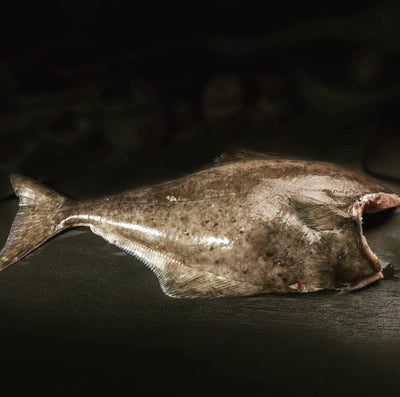
Pacific Halibut (Hippoglossus stenolepis)
- Flavor: mild, sweet, clean; slightly richer than cod or lingcod due to higher fat content
- Texture: firm, dense, and meaty; the densest texture of the five species; holds up extremely well to all cooking methods
- Fat content: moderate (approximately 2.5g fat per 3-oz serving); higher than cod or lingcod but lower than sablefish
- Price: premium; typically the most expensive of the five species; Alaskan halibut commands a significant price premium over other Pacific whitefish
- Best cooking methods: grilling, pan-searing, baking, poaching; the dense texture makes it the most forgiving of the five species -- it is difficult to overcook halibut to the point of falling apart; excellent for preparations where a thick, meaty fillet is desired
- Not ideal for: chowder (the dense texture does not break down into the soft, tender pieces that make chowder satisfying); fish tacos (too expensive and too dense for the application)
- Substitution: halibut can substitute for lingcod in grilled and pan-seared preparations; expect a denser, richer result; the price difference is significant
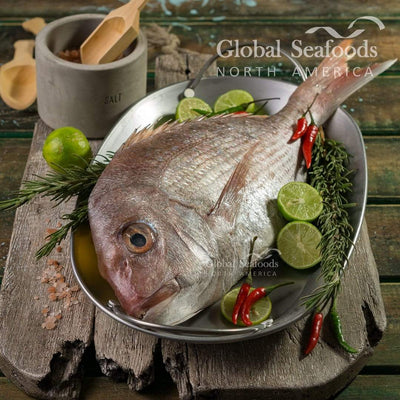
Rockfish / Pacific Snapper (Sebastes spp.)
- Flavor: mild to moderately flavored; slightly more pronounced than cod or lingcod; some species have a slightly nutty or sweet note
- Texture: flaky and tender; similar to Pacific cod; less firm than lingcod or halibut
- Fat content: lean (approximately 1.0-1.5g fat per 3-oz serving depending on species)
- Price: moderate; typically comparable to Pacific cod; less expensive than halibut
- Best cooking methods: baking, pan-frying, steaming, whole fish preparations; the delicate texture makes it excellent for Asian-style steamed whole fish preparations; also good in fish tacos
- Not ideal for: grilling (delicate texture falls apart); long-simmered preparations (breaks down too quickly)
- Substitution: rockfish can substitute for Pacific cod in most baked and pan-fried preparations; use lingcod when a firmer texture is needed
Black Cod / Sablefish (Anoplopoma fimbria)
- Flavor: rich, buttery, and distinctly flavored; the most flavorful of the five species; often described as the "foie gras of the sea" due to its high fat content and silky texture
- Texture: silky, soft, and delicate; melts in the mouth; very different from the other four species; the high fat content produces a uniquely luxurious mouthfeel
- Fat content: very high (approximately 15-18g fat per 3-oz serving); one of the highest omega-3 contents of any fish (approximately 1,500-2,000mg EPA + DHA per 3-oz serving -- comparable to salmon)
- Price: premium; comparable to or more expensive than halibut
- Best cooking methods: miso-glazed and broiled (the classic Nobu preparation); pan-seared; poached; the high fat content makes it extremely forgiving -- it is very difficult to overcook sablefish
- Not ideal for: fish tacos, chowder, or any preparation where a firm, neutral-flavored fish is needed; the rich flavor and soft texture are not appropriate for these applications
- Substitution: sablefish is not a good substitute for lingcod or cod; it is in a different flavor and texture category entirely; use it when richness and omega-3 content are the primary goals
Quick Reference: When to Use Which Fish
- Grilling: lingcod (best) or halibut; avoid cod, rockfish, sablefish
- Fish and chips / battered frying: Pacific cod (classic) or lingcod; avoid halibut (too expensive) and sablefish (too rich)
- Chowder: lingcod or Pacific cod; avoid halibut (too dense) and sablefish (too rich)
- Fish tacos: lingcod or rockfish; avoid halibut (too expensive) and sablefish (wrong flavor profile)
- Miso-glazed / broiled: sablefish (the definitive choice); lingcod or halibut as substitutes
- Pan-searing with a sauce: any of the five; lingcod and halibut hold up best; sablefish produces the richest result
- Maximum omega-3 content: sablefish (1,500-2,000mg per 3-oz serving); lingcod and cod are lean whitefish with modest omega-3 content
- Best protein-to-calorie ratio: lingcod or Pacific cod (approximately 19-20g protein at 90-95 kcal per 3-oz serving)
Two Lingcod Recipes That Showcase Its Strengths
1. Pan-Seared Lingcod with Lemon-Caper Sauce (Piccata Style)
Serves: 4 | Total time: 20 minutes
This preparation works specifically because of lingcod's firm texture -- the fillet holds together during searing and does not break apart when the acidic lemon-caper sauce is added. A more delicate fish like cod or rockfish would fall apart in this preparation.
Ingredients:
- 4 lingcod fillets (6-8 oz / 170-225g each), skin off, patted completely dry
- 2 tbsp all-purpose flour (for dusting)
- 2 tbsp olive oil
- 3 tbsp unsalted butter, divided
- 3 cloves garlic, minced
- 1/2 cup (120ml) dry white wine
- 3 tbsp fresh lemon juice
- 2 tbsp capers, drained
- 2 tbsp fresh flat-leaf parsley, chopped
- Salt and white pepper
- Lemon slices for serving
Instructions:
- Season the fillets with salt and white pepper; dust lightly with flour on both sides (the flour creates a crust that helps the sauce adhere to the fish)
- Heat the olive oil and 1 tbsp butter in a large skillet over medium-high heat until the butter foams and subsides; add the fillets; cook for 3-4 minutes per side until golden and cooked through (145°F / 63°C); transfer to a warm plate
- Reduce heat to medium; add the garlic to the pan; cook for 30 seconds; add the white wine; increase heat to medium-high; cook for 2 minutes until reduced by half
- Add the lemon juice and capers; cook for 1 minute; remove from heat; swirl in the remaining 2 tbsp butter until melted and the sauce is glossy (mounting with butter); stir in the parsley
- Pour the sauce over the fillets; serve immediately with lemon slices
Technique note: mounting the sauce with cold butter off the heat (step 4) creates a glossy, emulsified sauce; adding butter to a sauce that is still on the heat causes the butter to break (separate into fat and water), producing a greasy rather than glossy sauce.
2. Lingcod Chowder
Serves: 4-6 | Total time: 40 minutes
Lingcod's firm texture makes it the best Pacific whitefish for chowder -- it holds its shape during simmering and produces satisfying chunks of fish rather than dissolving into the broth. Pacific cod works well too; halibut is too dense and expensive; sablefish is too rich.
Ingredients:
- 1.5 lbs (680g) lingcod fillets, cut into 1.5-inch chunks
- 4 strips thick-cut bacon, diced
- 1 medium onion, diced
- 2 stalks celery, diced
- 2 cloves garlic, minced
- 2 medium Yukon Gold potatoes, peeled and diced into 3/4-inch cubes
- 2 cups (480ml) seafood stock or clam juice
- 1 cup (240ml) whole milk
- 1 cup (240ml) heavy cream
- 1 tsp fresh thyme leaves
- 1 bay leaf
- Salt and white pepper to taste
- Fresh chives and oyster crackers for serving
Instructions:
- Cook the bacon in a large pot over medium heat until crispy; remove with a slotted spoon and set aside; leave approximately 2 tbsp of bacon fat in the pot
- Add the onion and celery to the bacon fat; cook for 5-6 minutes until softened; add the garlic and cook for 1 minute
- Add the potatoes, seafood stock, thyme, and bay leaf; bring to a simmer; cook for 12-15 minutes until the potatoes are just tender
- Add the milk and cream; bring back to a gentle simmer (do not boil -- boiling causes the dairy to curdle and the cream to separate)
- Add the lingcod chunks; cook for 5-7 minutes until the fish is just cooked through and flakes easily; do not stir vigorously -- gentle stirring preserves the fish chunks
- Remove the bay leaf; season with salt and white pepper; taste and adjust; ladle into bowls; garnish with reserved bacon and chives; serve with oyster crackers
Technique note: add the fish last and cook gently -- lingcod is a lean fish that becomes dry and rubbery if overcooked; 5-7 minutes in a gentle simmer is sufficient; the fish will continue cooking in the hot chowder after the pot is removed from the heat.
Lingcod Fillets | Pacific Cod Fillets | Alaskan Pollock Fillets | All Whitefish
Also see: Lingcod: The Complete Guide to Biology, Nutrition, and Cooking
Watch seafood preparation videos on the Global Seafoods YouTube Channel
Frequently Asked Questions About Lingcod and Pacific Whitefish
What is the difference between lingcod and Pacific cod?
Lingcod and Pacific cod are both mild, lean Pacific whitefish, but they differ in texture and cooking behavior. Lingcod has a firmer, denser texture that holds up well to grilling and longer cooking; Pacific cod has a more delicate, flaky texture that breaks into large moist flakes and is the classic choice for battered fish and chips. In baked and chowder preparations, they are largely interchangeable. Lingcod is not related to cod -- it is a member of the greenling family (Hexagrammidae), while Pacific cod is a true cod (Gadidae).
Is lingcod better than halibut?
"Better" depends on the application. Halibut has a denser, meatier texture and a slightly richer flavor due to its higher fat content; it is more forgiving to cook (difficult to overcook to the point of falling apart) and commands a premium price. Lingcod has a firmer but less dense texture, a more neutral flavor, and is typically less expensive. For grilling and pan-searing, both work well; for chowder and fish tacos, lingcod is the better choice (halibut is too dense and expensive for these applications). For a special occasion preparation where a thick, meaty fillet is the centerpiece, halibut is worth the premium.
What is sablefish (black cod) and how does it compare to lingcod?
Sablefish (Anoplopoma fimbria), also called black cod, is not related to true cod or to lingcod -- it is in its own family (Anoplopomatidae). Sablefish has a very high fat content (approximately 15-18g fat per 3-oz serving) and one of the highest omega-3 contents of any fish (1,500-2,000mg EPA + DHA per 3-oz serving -- comparable to salmon). Its texture is silky and soft, and its flavor is rich and buttery -- very different from the mild, firm lingcod. Sablefish is best prepared miso-glazed and broiled (the classic Nobu preparation); it is not a substitute for lingcod in grilling, chowder, or fish taco applications.
Can I substitute lingcod for halibut in a recipe?
Yes, in most grilled, pan-seared, and baked preparations. Expect a slightly less dense texture and a more neutral flavor with lingcod compared to halibut. The cooking time may be slightly shorter for lingcod (it is less dense and cooks faster). The price difference is significant -- lingcod is typically considerably less expensive than halibut, making it an excellent value substitute in everyday cooking. In chowder and fish taco preparations, lingcod is actually preferable to halibut (halibut is too dense and expensive for these applications).


Related Products


Also in News

Snail Caviar: How White Escargot Caviar Is Farmed, Harvested and Made

The Dark Years of Pacific Salmon: A 20-Year Outlook for Alaska, Russia, and the Red Caviar Market

King Crab Legs Delivery: Is It Worth It? Exploring the Benefits and Best Options
Shop Now
Main
