
The World's Most Expensive Sturgeon Caviar: Beluga Caviar Explained

The Most Expensive Sturgeon Caviar: Why Beluga Caviar Reigns Supreme
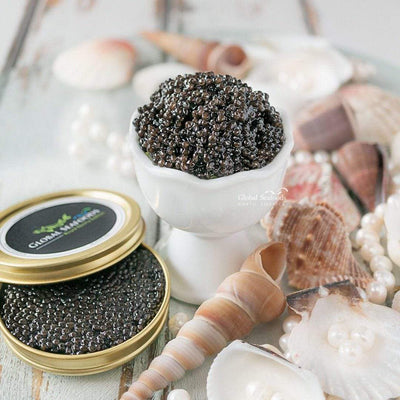
Sturgeon caviar is one of the most luxurious and sought-after delicacies in the world. But among the different varieties of caviar, one stands out as the most prestigious and expensive: Beluga caviar. Known for its large, delicate eggs, buttery texture, and unparalleled flavor, Beluga caviar is a true symbol of opulence.
In this article, we'll explore what makes Beluga caviar the most expensive sturgeon caviar, its origins, harvesting process, price, and how it compares to other premium caviars.
What is Sturgeon Caviar?
Caviar refers to the salt-cured roe (eggs) of sturgeon fish, traditionally sourced from the Caspian and Black Seas. Sturgeon caviar is classified into different grades based on the species, egg size, texture, and flavor.
The most prized varieties include:
- Beluga Caviar – The rarest and most expensive
- Osetra Caviar – Rich and nutty with medium-sized eggs
- Sevruga Caviar – Smaller eggs with a more intense briny flavor
- Kaluga Caviar – Often considered the sustainable alternative to Beluga caviar
Why is Beluga Caviar the Most Expensive?
1. The Rarity of the Beluga Sturgeon
Beluga caviar is harvested from the Beluga sturgeon (Huso huso), one of the largest and most ancient fish species on Earth. Found mainly in the Caspian Sea, these sturgeons can grow up to 20 feet long and weigh over 1,500 kg (3,300 lbs).
2. Long Maturation Period
Unlike other sturgeon species, the Beluga sturgeon takes 15 to 20 years to reach reproductive maturity. This long maturation period limits the supply of Beluga caviar, making it extremely rare and valuable.
3. Unique Taste and Texture
Beluga caviar is prized for its:
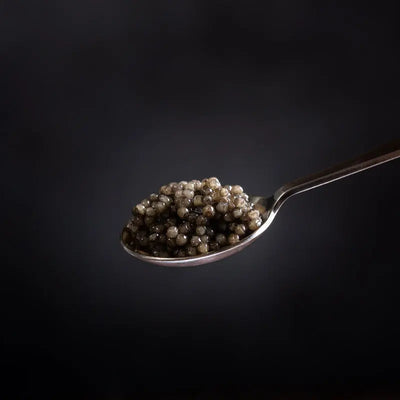
- Large Eggs – The largest among all caviar types, measuring up to 3.5mm in diameter
- Buttery, Nutty Flavor – Smooth and delicate, with a mild saltiness
- Luxurious Texture – The eggs have a soft, melt-in-your-mouth consistency
4. Strict Regulations and Conservation Efforts
Due to overfishing and habitat destruction, the Beluga sturgeon is classified as a critically endangered species. The U.S. has banned the import of wild-caught Beluga caviar since 2005, leading to even higher prices for legally farmed varieties.
Explore sustainable options:
How Much Does Beluga Caviar Cost?
The price of Beluga caviar varies based on quality, origin, and rarity.
- Average market price: $5,000 – $10,000 per kg
- Top-tier Iranian Beluga caviar: Up to $25,000 per kg
Factors affecting price:
- Egg size and color: Light gray or golden caviar is considered superior
- Age of the sturgeon: Older sturgeons produce higher-quality caviar
- Sourcing and sustainability: Wild-caught caviar is rarer than farmed caviar
For high-quality Beluga caviar: Shop Beluga Caviar
Beluga Caviar vs. Other Sturgeon Caviars
| Feature | Beluga Caviar | Osetra Caviar | Sevruga Caviar | Kaluga Caviar |
|---|---|---|---|---|
| Egg Size | Largest (3–3.5mm) | Medium (2–3mm) | Small (1.5–2mm) | Large (2.5–3mm) |
| Color | Light to dark gray | Golden to brown | Dark gray to black | Light to dark brown |
| Texture | Soft, creamy | Firm, nutty | Slightly firmer | Buttery, rich |
| Flavor | Mild, buttery | Nutty, rich | Briny, intense | Buttery, smooth |
| Maturation Time | 15–20 years | 12–15 years | 6–10 years | 10–15 years |
| Price per kg | $5,000 – $25,000 | $1,500 – $6,000 | $800 – $2,000 | $2,000 – $6,000 |
For other premium caviar options:
How to Enjoy Beluga Caviar
Best Ways to Serve Beluga Caviar
To fully appreciate its delicate flavors, Beluga caviar should be served simply and elegantly:
- Chilled on a Bed of Ice – Preserve freshness and texture; serve between 28–32°F (-2 to 0°C)
- With a Mother-of-Pearl Spoon – Avoid metal utensils, as they can alter the taste
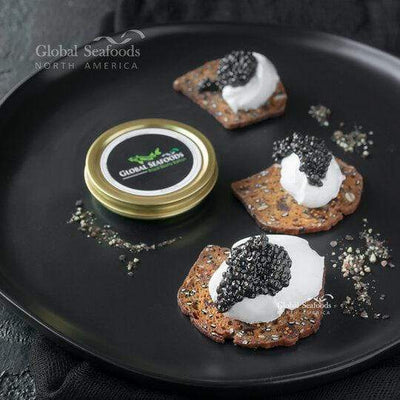
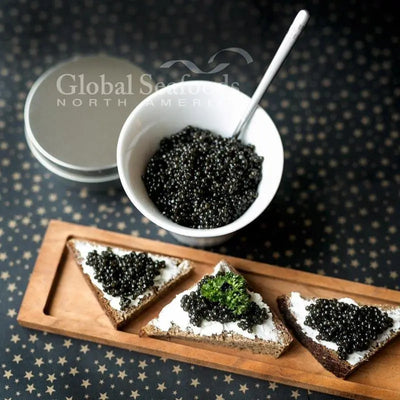
- Pair with Blinis or Toast – Enhances the buttery, nutty flavor
- Enjoy with Champagne or Vodka – Classic pairings for a luxurious experience
For a gourmet experience, try:
Where to Buy the Best Sturgeon Caviar
For more insights, visit Global Seafoods YouTube Channel
Frequently Asked Questions (FAQs)
Q: Why is Beluga caviar illegal in the U.S.?
A: Due to the critically endangered status of the wild Beluga sturgeon, the U.S. banned the import of wild Beluga caviar in 2005 under the Endangered Species Act. However, sustainably farmed Beluga caviar — produced in aquaculture facilities outside the Caspian Sea — is legally available in the U.S.
Q: What is the best way to store Beluga caviar?
A: Keep it refrigerated at 28–32°F (-2 to 0°C) in the coldest part of your refrigerator. Unopened, it will keep for 4–6 weeks. Once opened, consume within 48 hours for optimal freshness. Do not freeze — freezing damages the delicate egg structure.
Q: What's the difference between farmed and wild Beluga caviar?
A: Wild Beluga caviar is extremely rare, banned from import in the U.S., and commands the highest prices ($10,000–$25,000/kg). Farmed Beluga caviar is produced in controlled aquaculture environments, is more widely available, and is considered more sustainable — while still delivering the same buttery, large-pearl profile.
Q: What's the best alternative to Beluga caviar?
A: Kaluga caviar is the closest alternative, offering a similar large pearl size, buttery texture, and mild flavor at a significantly lower price ($2,000–$6,000/kg). It is sustainably farmed from the Amur River basin and is sometimes called "River Beluga." Shop Kaluga Caviar
Q: How do I know if Beluga caviar is authentic?
A: Authentic Beluga caviar should have large, uniform gray pearls (3–3.5mm), a clean oceanic aroma, and a buttery finish with no harsh saltiness. It should come with documentation of origin and, for farmed varieties, aquaculture certification. Purchase only from reputable suppliers like Global Seafoods to ensure authenticity.

Related Products


Also in News

Snail Caviar: How White Escargot Caviar Is Farmed, Harvested and Made

The Dark Years of Pacific Salmon: A 20-Year Outlook for Alaska, Russia, and the Red Caviar Market

King Crab Legs Delivery: Is It Worth It? Exploring the Benefits and Best Options
Shop Now
Main
