
Roe vs. Caviar: Understanding the Difference and Indulging in Exquisite Delicacies

Roe vs. Caviar: Understanding the Difference
The world of gourmet seafood often brings two terms to the table: roe and caviar. While many use these words interchangeably, they represent distinct culinary treasures. Understanding the difference between roe and caviar can elevate your appreciation for these luxurious delicacies.
In this comprehensive guide, we’ll explore their unique origins, flavors, and nutritional benefits, and offer insights into serving and enjoying them like a true gourmand.
What Is Roe?
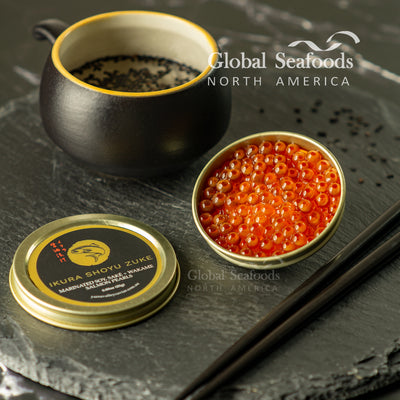
Roe refers to the eggs of any fish or marine animal. It serves as the foundation for all caviar but encompasses a broader spectrum. Some common types of roe include:
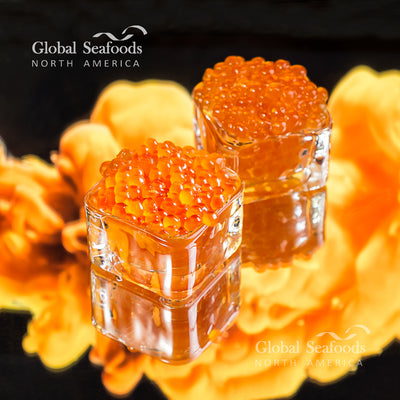
- Salmon Roe (Ikura): Known for its vibrant orange color and salty flavor.
- Trout Roe: Smaller, mildly flavored pearls with a delightful pop.
- Flying Fish Roe (Tobiko): Often used in sushi for its colorful appearance and crunchy texture.
Benefits of Roe
- Nutritional Powerhouse: Packed with omega-3 fatty acids, protein, and essential vitamins.
- Affordable Gourmet Option: Roe provides a gateway to luxury dining without the price tag of premium caviar.
What Is Caviar?
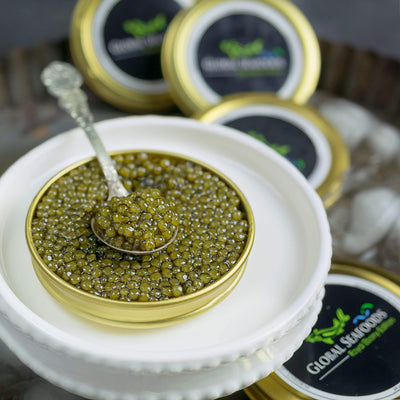
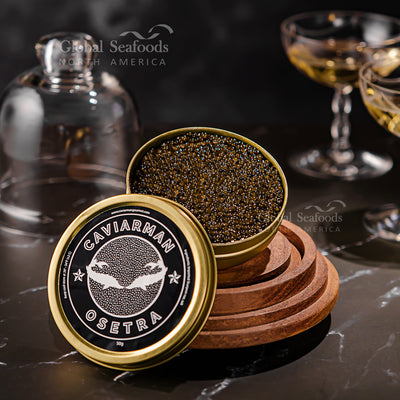
Caviar specifically refers to roe harvested from sturgeon species, such as Beluga, Ossetra, or Sevruga. Unlike other roe, caviar undergoes a meticulous salting process called malossol, which preserves its delicate texture and flavor.
Quote: "Caviar is not just food; it's an experience that defines sophistication," says Chef Thomas Keller.
Characteristics of Caviar
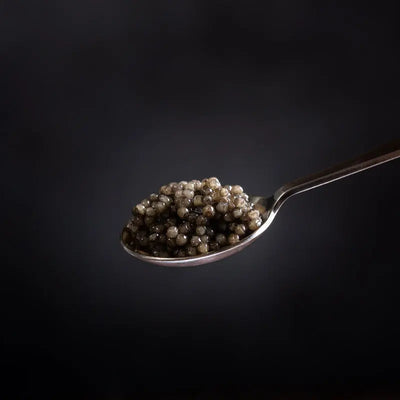
- Pearl Size and Texture: Smooth, velvety pearls that burst with a luxurious briny flavor.
- Rich Heritage: Historically associated with royalty and opulence.
Roe vs. Caviar: Key Differences
| Feature | Roe | Caviar |
|---|---|---|
| Definition | Eggs of any fish or marine animal | Roe exclusively from sturgeon species |
| Price | Generally affordable | Premium-priced luxury |
| Flavor | Varies widely by species | Nutty, buttery, and briny |
| Uses | Versatile in sushi, sauces, and appetizers | High-end garnishes and standalone delicacy |
Nutritional Benefits of Roe and Caviar
Both roe and caviar are rich in nutrients that support overall health:
- Omega-3 Fatty Acids: Enhance heart health and cognitive function.
- Vitamin B12: Boosts energy and supports red blood cell production.
- Selenium and Iron: Strengthen immunity and promote vitality.
How to Serve Roe and Caviar
Serving Roe
- Sushi and Sashimi: Adds texture and flavor to rolls.
- Garnish for Canapés: Elevates hors d'oeuvres with vibrant color.
- In Salads or Pasta: Adds depth and brininess to recipes.
Serving Caviar
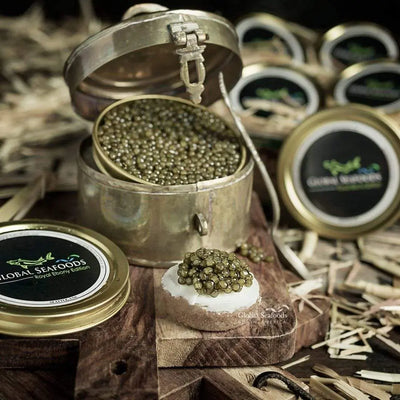
- Traditional Blini: Pair with crème fraîche for a classic experience.
- On Toast Points: Highlight the buttery texture of caviar.
- With Champagne or Vodka: Complements the subtle richness of the pearls.
Explore more pairing ideas on our YouTube Channel.
Where to Buy Roe and Caviar
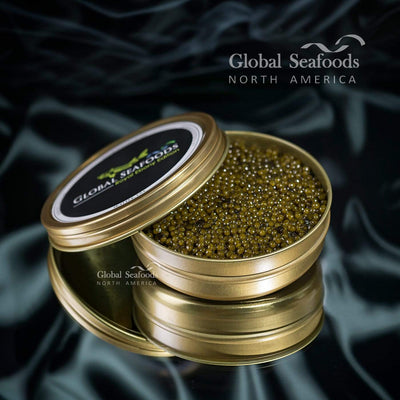
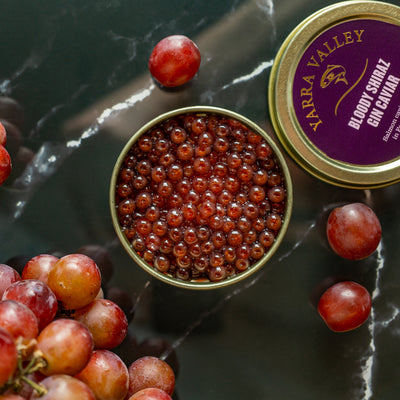
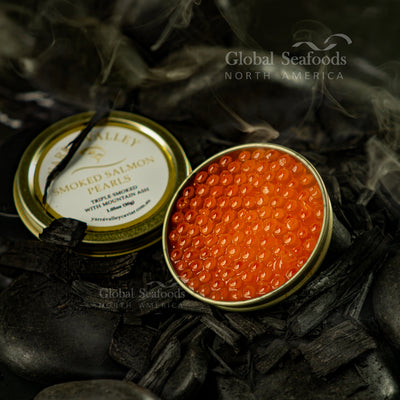
For the best quality and authenticity, shop with trusted sellers like Global Seafoods. Discover our curated selections:
Shop affordable roe options:
Storing Roe and Caviar
Proper storage preserves the flavor and quality of your delicacies:
- Refrigeration: Keep at 28°F to 32°F.
- Consume Quickly: Fresh roe and caviar should be eaten within 2–3 days of opening.
- Avoid Freezing: Freezing alters texture and diminishes flavor.
FAQs: Roe vs. Caviar
Q: Why is caviar more expensive than roe?
A: The rarity of sturgeon species, labor-intensive processing, and luxury branding contribute to caviar’s high cost.
Q: Can roe be used as a substitute for caviar?
A: Yes, roe offers a similar visual appeal and flavor profile, though it lacks the exclusivity of caviar.
Q: Are there sustainable options for caviar?
A: Absolutely! Opt for farm-raised sturgeon caviar from reputable sources to ensure environmental sustainability.
Conclusion: Celebrating the Best of Both Worlds
Whether you’re savoring vibrant salmon roe or indulging in luxurious Ossetra caviar, each offers a unique culinary journey. Understanding their differences allows you to appreciate their origins, flavors, and cultural significance.
For the finest roe and caviar selections, visit Global Seafoods. Elevate your dining experience and indulge in the ultimate gourmet treat today.
Call to Action:
Experience the perfect harmony of roe and caviar and unlock a world of gourmet possibilities.

Also in News

Halibut Nutrition Facts: Everything You Need to Know

Crab vs. Lobster: Which is Healthier?

The Health Benefits of Ikura: What You Need to Know
Shop Now
Main
