
Sablefish vs. Halibut: Which is Healthier?

Sablefish vs. Halibut
When it comes to premium seafood, sablefish (also known as black cod) and halibut are standout options for their versatility and flavor. Both are loved for their unique characteristics, but they differ significantly in taste, texture, and nutritional benefits.
This guide provides an in-depth comparison of sablefish and halibut, including expert cooking tips, health benefits, and pairing suggestions to help you choose the perfect fish for your next meal.
What is Sablefish?
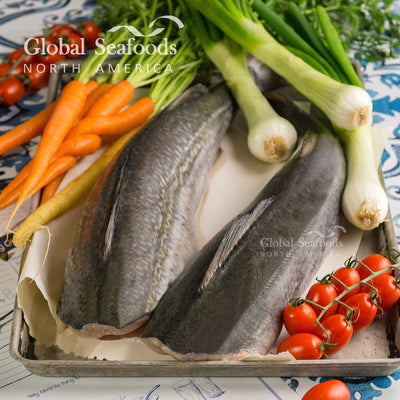
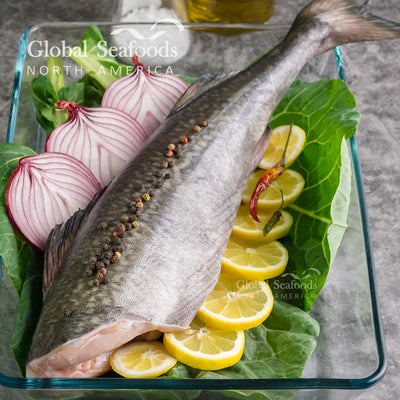
Sablefish, often referred to as black cod, is a deep-sea fish prized for its rich, buttery flavor and high oil content. Found in the North Pacific, sablefish is considered a delicacy in fine dining and is incredibly versatile in the kitchen.
- Flavor: Luxuriously buttery, rich, and savory.
- Texture: Velvety, moist, and tender.
- Best Cooking Methods: Grilling, roasting, smoking, or broiling.
Why Choose Sablefish?
- High in omega-3 fatty acids, making it one of the healthiest fish available.
- Perfect for bold marinades and rich sauces.
- Forgiving for beginner cooks—its high oil content keeps it from drying out.
Shop Sablefish:
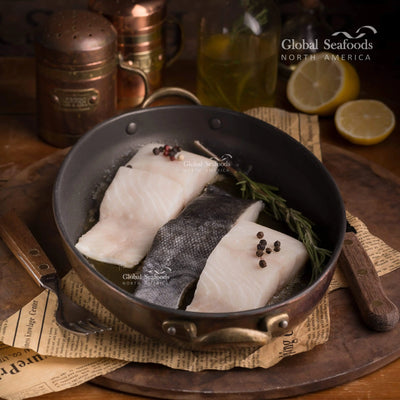
What is Halibut?
Halibut is a flatfish known for its mild, sweet flavor and firm, flaky texture. It’s a versatile option that pairs well with delicate seasonings and simple preparations.
- Flavor: Mild, delicate, and slightly sweet.
- Texture: Firm and lean with large, flaky sections.
- Best Cooking Methods: Baking, pan-searing, poaching, or grilling.
Why Choose Halibut?
- A lean source of protein, perfect for low-calorie meals.
- Ideal for dishes that highlight light and fresh flavors.
- Works well with simple, herb-based seasonings.
Shop Halibut:
Sablefish vs. Halibut: Side-by-Side Comparison
1. Flavor and Texture
| Feature | Sablefish | Halibut |
|---|---|---|
| Flavor | Rich, buttery, and savory | Mild, delicate, and slightly sweet |
| Texture | Moist, tender, and velvety | Firm, lean, and flaky |
| Best Pairings | Bold marinades and sauces | Light herbs and citrus-based seasonings |
2. Nutritional Benefits
| Nutrient | Sablefish (per 3 oz) | Halibut (per 3 oz) |
|---|---|---|
| Calories | 180 | 115 |
| Protein | 20g | 22g |
| Fat | 10g (rich in healthy fats) | 2.5g (lean and low-fat) |
| Omega-3s | 1.5g (high) | 0.4g (moderate) |
3. Cooking Versatility
Sablefish and halibut shine in different types of preparations:
Best Cooking Methods for Sablefish:
- Grilling: Its rich oil content prevents it from drying out.
- Roasting: Maintains its buttery texture with minimal effort.
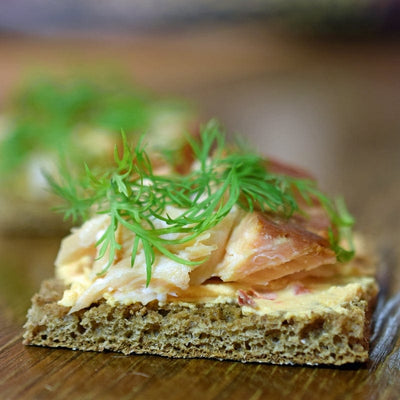
- Smoking: Absorbs smoky flavors beautifully.
Best Cooking Methods for Halibut:
- Baking: Preserves its mild flavor and firm texture.
- Pan-Seared: Adds a crispy crust while keeping the inside moist.
- Poaching: Enhances its natural sweetness.
Choosing the Right Fish for Your Dish
When to Choose Sablefish:
- You’re craving a rich, indulgent seafood experience.
- You want a forgiving fish for grilling or roasting.
- You’re making a recipe with bold flavors, like miso-glazed fish.
When to Choose Halibut:
- You’re looking for a light, healthy protein source.
- You want a versatile fish for simple, fresh preparations.
- You’re cooking for a crowd with mixed flavor preferences.
Pairing Wines with Sablefish and Halibut
Wine can elevate the natural flavors of sablefish and halibut:
Sablefish Pairings:
- Chardonnay: Complements its rich, buttery flavor.
- Riesling: Balances bold marinades with a touch of sweetness.
- Pinot Noir: Pairs well with smoked or roasted sablefish.
Halibut Pairings:
- Sauvignon Blanc: Enhances its delicate, flaky texture.
- Rosé: A versatile choice for grilled halibut.
- Chenin Blanc: Adds crisp, refreshing notes.
Expert Cooking Tips for Sablefish and Halibut
- Thaw Properly: Always thaw frozen fish in the refrigerator overnight for the best texture.
- Avoid Overcooking: Use a thermometer to ensure fish is cooked to perfection—145°F for sablefish and halibut.
- Experiment with Seasonings: Bold flavors like soy sauce and miso pair well with sablefish, while halibut shines with citrus and fresh herbs.
Health Benefits of Sablefish and Halibut
Sablefish:
- Heart Health: High omega-3 content supports cardiovascular health.
- Brain Function: Omega-3s improve memory and cognitive function.
- Sustainable Choice: Responsibly sourced sablefish supports eco-friendly fishing practices.
Halibut:
- Low-Calorie Protein: Ideal for weight management and lean muscle growth.
- Rich in Micronutrients: Includes selenium, magnesium, and potassium.
- Versatile Option: Great for all dietary preferences, from keto to low-fat.
Frequently Asked Questions
1. Can I use sablefish instead of halibut in recipes?
Yes, but be mindful of their differences. Sablefish is richer and oilier, while halibut is leaner and firmer.
2. Which fish is better for grilling?
Sablefish’s high oil content makes it perfect for grilling without drying out.
3. Is halibut healthier than sablefish?
Halibut is lower in calories and fat, making it a leaner choice. However, sablefish offers more omega-3s and a richer flavor.
4. Where can I buy premium sablefish and halibut?
Shop sustainably sourced sablefish and halibut at Global Seafoods.
Explore More on YouTube
For step-by-step tutorials and expert tips, visit the Global Seafoods YouTube Channel. Learn how to prepare sablefish and halibut like a pro!
Conclusion: Sablefish or Halibut—Which Will You Choose?
Whether you’re drawn to the rich, buttery texture of sablefish or the mild, firm qualities of halibut, both fish offer unique culinary experiences. Your choice depends on your flavor preferences, cooking style, and dietary goals.
Ready to savor these seafood delicacies? Shop premium sablefish and halibut now to bring gourmet flavors to your table.
Shop Now:
Also in News

Halibut Nutrition Facts: Everything You Need to Know

Crab vs. Lobster: Which is Healthier?

The Health Benefits of Ikura: What You Need to Know
Shop Now
Main
