
The Health Benefits of Sturgeon Caviar: Why This Luxury Food Is Good for You

The Health Benefits of Sturgeon Caviar
Sturgeon caviar is celebrated for its flavor and luxury, but it is also a genuinely nutrient-dense food. Rich in omega-3 fatty acids, complete protein, fat-soluble vitamins, and minerals, caviar delivers meaningful nutritional value in small servings. This article covers the evidence-based health benefits of sturgeon caviar, with appropriate context for each claim.
Full Caviar Collection at Global Seafoods | Beluga Caviar | Ossetra Sturgeon Caviar
1. Heart Health: Omega-3 Fatty Acids (EPA and DHA)
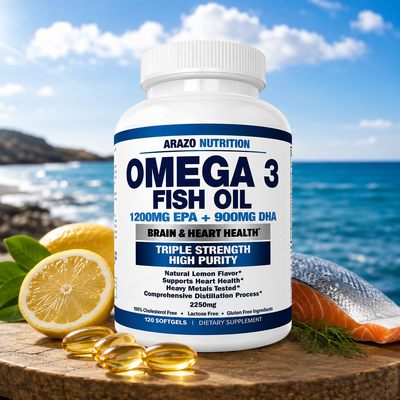
Sturgeon caviar is one of the most concentrated dietary sources of EPA (eicosapentaenoic acid) and DHA (docosahexaenoic acid) omega-3 fatty acids. The American Heart Association's dietary guidelines identify EPA and DHA as beneficial for cardiovascular health, with evidence supporting their role in reducing triglycerides, lowering blood pressure, reducing inflammation, and decreasing the risk of arrhythmia. These are the same omega-3s found in fatty fish like salmon and mackerel -- caviar delivers them in a highly bioavailable form.
Note: The AHA's guidance reflects population-level dietary recommendations. Individual cardiovascular outcomes depend on overall diet, lifestyle, and medical history. Caviar is also high in sodium and cholesterol, which should be considered in the context of a heart-healthy diet.
2. Brain Health: DHA and Cognitive Function
DHA is the primary structural omega-3 in the brain, comprising approximately 97% of the omega-3 fatty acids in brain tissue. Research consistently shows that adequate DHA intake is associated with better cognitive function, memory, and mood regulation. The evidence is strongest for DHA specifically (rather than omega-3s generally) and for long-term dietary patterns rather than short-term supplementation. Caviar's high DHA content makes it one of the most direct dietary sources of this nutrient.
3. Antioxidants: Vitamin E and Selenium
Sturgeon caviar contains Vitamin E and selenium, both of which function as antioxidants -- they help neutralize free radicals that contribute to cellular damage and aging. Selenium also plays a role in thyroid function and immune response. The antioxidant content in caviar is real and measurable, though the quantities per serving are modest compared to plant-based antioxidant sources. Caviar is best understood as a complement to an antioxidant-rich diet rather than a primary source.
4. Immune System Support: Vitamins A and D, Zinc, Selenium
Caviar contains Vitamin A (important for immune cell function and mucosal barrier integrity), Vitamin D (which modulates immune response and is deficient in a significant portion of the population), zinc (essential for immune cell development and function), and selenium (antioxidant and immune-supporting). These are all well-established immune-supporting nutrients; caviar is a meaningful dietary source of each.
Wild Sturgeon Black Caviar | Paddlefish Caviar (note: paddlefish is not a sturgeon species but is a widely used and sustainable caviar alternative with a similar nutritional profile)
5. Bone Health: Calcium, Phosphorus, Vitamin D
Caviar provides calcium, phosphorus, and Vitamin D -- three nutrients that work together to support bone density and reduce the risk of osteoporosis. Vitamin D is particularly important because it enables calcium absorption; without adequate Vitamin D, dietary calcium is poorly utilized. For individuals who are Vitamin D deficient (a common condition, particularly in northern latitudes and among people with limited sun exposure), caviar is a useful dietary source.
6. Complete Protein
Caviar contains all nine essential amino acids, making it a complete protein source. Protein supports muscle maintenance, cellular repair, enzyme production, and immune function. A typical serving of caviar (1 oz / 28g) provides approximately 4g of protein -- meaningful for a food consumed in small quantities.
7. Skin Health
The combination of omega-3 fatty acids, Vitamin E, and Vitamin A in caviar supports skin health through several mechanisms: omega-3s help maintain the skin's lipid barrier and reduce inflammatory skin conditions; Vitamin E is an antioxidant that protects skin cells from oxidative damage; Vitamin A supports skin cell turnover. Many luxury skincare products incorporate caviar extracts for these properties. Dietary consumption of caviar may support skin health as part of a nutrient-rich diet, though the evidence for direct skin benefits from dietary caviar specifically (as opposed to omega-3s and vitamins generally) is limited.
Nutritional Context: Sodium and Cholesterol
Caviar is high in sodium (approximately 240mg per tablespoon) and dietary cholesterol. For most healthy adults, moderate caviar consumption is unlikely to be problematic, but individuals managing hypertension, kidney disease, or cardiovascular conditions should be aware of the sodium content and consult their physician. Caviar is a nutrient-dense food best enjoyed in moderate quantities as part of a varied diet.
How to Serve Sturgeon Caviar
- Serve cold: Place the caviar tin on a bed of crushed ice. Serve immediately after opening to preserve texture and flavor.
- Use non-metallic utensils: Mother-of-pearl, bone, or silicone spoons only. Metal utensils impart a metallic taste to delicate sturgeon caviar.
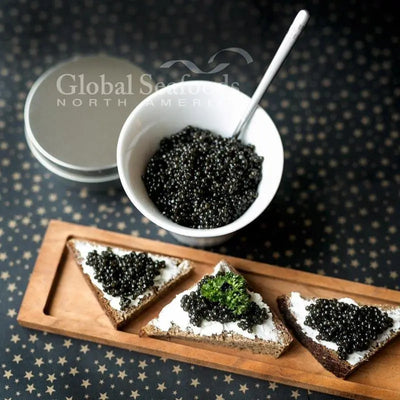
- Pair simply: Blinis with crème fraîche, plain crackers, or baked potato. Traditional drinks: Brut Champagne or chilled dry vodka.
Full Caviar Collection at Global Seafoods
Watch seafood preparation videos on the Global Seafoods YouTube Channel
FAQs
What makes sturgeon caviar beneficial for heart health?
Sturgeon caviar is one of the most concentrated dietary sources of EPA and DHA omega-3 fatty acids, which the American Heart Association identifies as beneficial for cardiovascular health -- reducing triglycerides, lowering blood pressure, and decreasing inflammation. Note that caviar is also high in sodium and cholesterol, which should be considered in the context of an overall heart-healthy diet.
Can caviar improve brain function?
Caviar is a rich source of DHA, the primary structural omega-3 in brain tissue. Adequate DHA intake is associated with better cognitive function, memory, and mood regulation. The evidence is strongest for long-term dietary patterns rather than short-term consumption.
Is sturgeon caviar good for the skin?
Caviar contains omega-3 fatty acids, Vitamin E, and Vitamin A, all of which support skin health through different mechanisms. Dietary consumption of caviar may support skin health as part of a nutrient-rich diet, though direct evidence for caviar specifically (as opposed to these nutrients generally) is limited.
How often should I eat caviar to experience health benefits?
There is no established optimal frequency for caviar consumption specifically. The health benefits come from the nutrients it contains -- omega-3s, vitamins, minerals -- which can be obtained from other dietary sources as well. Moderate consumption (a few times per month) as part of a varied diet is a reasonable approach.

Related Products


Also in News

Snail Caviar: How White Escargot Caviar Is Farmed, Harvested and Made

The Dark Years of Pacific Salmon: A 20-Year Outlook for Alaska, Russia, and the Red Caviar Market

King Crab Legs Delivery: Is It Worth It? Exploring the Benefits and Best Options
Shop Now
Main
