
Best Ways to Eat Salmon Roe: From Ikura Don to Toast & Pasta

Best Ways to Eat Salmon Roe: A Complete Culinary Guide
Salmon roe — known as ikura in Japanese — is one of the most celebrated delicacies in global cuisine. Rich in omega-3 fatty acids, bursting with briny umami flavor, and visually stunning, salmon roe elevates everything it touches. Whether you’re trying it for the first time or looking for new ways to serve it, this guide covers the best methods for enjoying salmon roe at home.
What Is Salmon Roe?
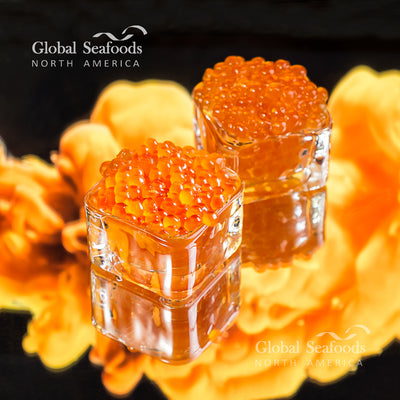
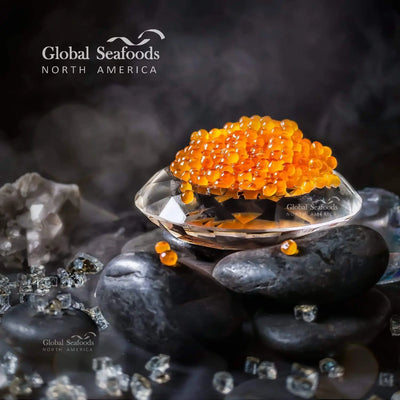
Salmon roe refers to the eggs of the salmon fish — large, vibrant orange pearls that burst with a salty, oceanic flavor when eaten. Safe, nutritious, and delicious, salmon roe is enjoyed raw as a garnish, topping, or standalone dish. It should not be cooked directly, as heat destroys its delicate texture and flavor — instead, it’s added as a finishing element.
6 Best Ways to Eat Salmon Roe
1. Ikura Don – Salmon Roe Over Rice
The most traditional Japanese preparation: a generous portion of ikura served over warm, steamed short-grain rice, seasoned with a splash of soy sauce and topped with nori strips. Simple, elegant, and deeply satisfying. This is the best starting point for first-timers.
2. Ikura Nigiri & Gunkan Maki Sushi
Salmon roe is a sushi staple. Ikura nigiri features roe draped over hand-pressed rice; gunkan maki (battleship sushi) wraps nori around rice and fills the top with ikura. The roe’s brine complements the mild sweetness of sushi rice perfectly.
3. Salmon Roe on Toast or Blinis
One of the simplest and most elegant ways to serve salmon roe: spoon it over buttered toast or warm blinis with a dollop of crème fraîche and fresh chives. This preparation lets the roe’s flavor shine without distraction and makes a stunning appetizer.
4. Pasta with Salmon Roe
Fold salmon roe into warm (not hot) butter pasta just before serving — the residual heat warms the roe without cooking it. Linguine with garlic, lemon zest, and a spoonful of ikura is a restaurant-worthy dish that takes under 20 minutes.
5. Fusion Dishes – Avocado, Poke & More
Salmon roe pairs beautifully with creamy, rich ingredients that balance its brininess. Try it on avocado toast, as a topping for poke bowls, or spooned over deviled eggs. The contrast of textures and flavors makes for memorable bites.
6. Soups & Broths – As a Finishing Garnish
Add salmon roe as a finishing garnish to miso soup, chawanmushi (Japanese egg custard), or a light seafood broth. Stir it in just before serving — the pearls add visual drama and a burst of ocean flavor to each spoonful.
How to Serve Salmon Roe
- Always serve salmon roe cold or at room temperature — never hot
- Use a non-metallic spoon (mother of pearl, wood, or plastic) to avoid a metallic taste reaction
- Pair with neutral bases: rice, blinis, toast, pasta, or cucumber slices
- Complement with crème fraîche, soy sauce, lemon, or mild cream cheese
- Serve within 3–5 days of opening; keep refrigerated at 28–32°F
Shop Premium Salmon Roe
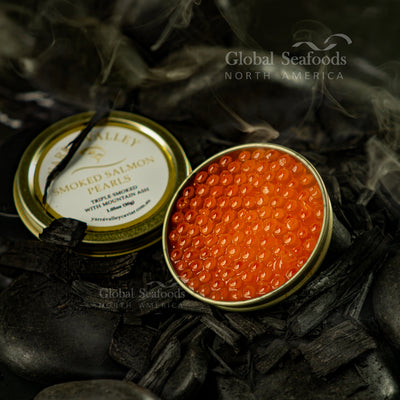
Global Seafoods offers a curated selection of wild-caught salmon roe, shipped frozen with dry ice:
- Fresh Ikura Salmon Caviar – 500g
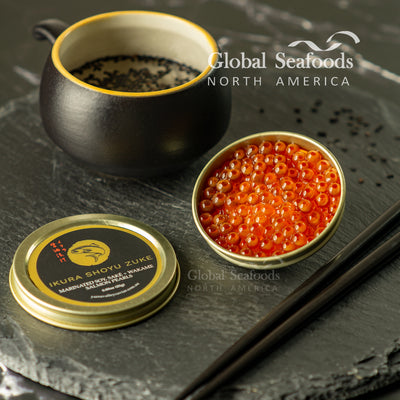
- Ikura Shoyu Zuke – Soy-Marinated Salmon Pearls
- Unsalted Wild-Caught Red Caviar – 1 lb
FAQ
Q: Is it safe to eat salmon eggs?
A: Yes — salmon roe is safe to eat when properly processed and stored. It is a rich source of omega-3s, vitamins, and minerals.
Q: What does salmon roe taste like?
A: Rich, briny, and slightly sweet with a satisfying pop. The flavor is oceanic and umami-forward — more approachable than sturgeon caviar for most first-timers.
Q: Can you cook salmon roe?
A: Not directly — heat destroys the delicate texture and flavor. Add it as a finishing garnish to warm (not hot) dishes just before serving.
Q: How do you store salmon roe?
A: Keep refrigerated at 28–32°F. Consume within 3–5 days of opening. Unopened, it can last significantly longer if kept cold. Can be frozen for up to 3 months.
Q: What is the difference between salmon roe and caviar?
A: Salmon roe (ikura) comes from salmon; traditional caviar comes from sturgeon. Ikura has larger pearls, a bolder flavor, and significantly higher omega-3 content.
Q: What is the best way to eat salmon roe for the first time?
A: Start with a small spoonful on buttered toast or a cracker to appreciate the flavor and texture without distraction. Ikura Don (over rice with soy sauce) is also an excellent introduction.
Conclusion
From Ikura Don to pasta, blinis to poke bowls, salmon roe is one of the most versatile and rewarding ingredients you can keep in your kitchen. Its rich nutritional profile and distinctive flavor make it worth exploring beyond the sushi bar. Shop our premium salmon roe collection and discover your favorite way to enjoy it.
Also in News

Halibut Nutrition Facts: Everything You Need to Know

Crab vs. Lobster: Which is Healthier?

The Health Benefits of Ikura: What You Need to Know
Shop Now
Main
