
The Health Benefits of Red Caviar: Why You Should Include It in Your Diet

The Health Benefits of Red Caviar
Red caviar, also known as salmon roe, is more than a delicacy for special occasions. It’s a nutritional treasure trove that can contribute to your overall health and well-being. This vibrant orange and red seafood ingredient is not only visually stunning but also packed with essential nutrients like omega-3 fatty acids, high-quality protein, and vitamins that offer numerous health benefits.
Whether you’re a seasoned caviar enthusiast or new to this gourmet treat, this guide dives deep into the health benefits of red caviar, how to include it in your meals, and tips for choosing the best quality products.
What is Red Caviar?
Red caviar refers to the roe (eggs) of salmon or other fish species in the salmonid family, such as trout. Its firm texture, salty-briny flavor, and burst-in-your-mouth sensation make it a popular ingredient in sushi, appetizers, and gourmet dishes worldwide.
Types of Red Caviar
- Chum Salmon Caviar: Known for its large, firm eggs and mild flavor. Perfect for spreading on toast or adding to salads.
- Coho Salmon Caviar: Features slightly smaller eggs and a richer, more robust taste.
- Trout Caviar: Small, vibrant eggs with a delicate texture and a mild flavor that complements creamy or savory dishes.
Shop premium options like Chum Salmon Caviar or Coho Salmon Caviar for authentic, high-quality choices.
The Nutritional Powerhouse of Red Caviar
Red caviar is often referred to as a superfood for a reason. It boasts an impressive array of nutrients that can support your health.
1. Packed with Omega-3 Fatty Acids
Omega-3 fatty acids are essential fats that the body cannot produce on its own. These healthy fats are known for:
- Improving Heart Health: Omega-3s help lower triglycerides, reduce blood pressure, and prevent plaque buildup in arteries.
- Boosting Brain Function: Essential for memory, focus, and reducing the risk of neurodegenerative diseases.
- Reducing Inflammation: Beneficial for managing chronic inflammatory conditions like arthritis.
Quote: “Omega-3 fatty acids are some of the most powerful nutrients for supporting cardiovascular and brain health,” says Dr. Andrew Weil, integrative medicine expert.
2. High-Quality Protein
One tablespoon of red caviar contains around 4 grams of protein, making it an excellent choice for building and repairing muscles. Its protein is easily digestible, making it ideal for people with active lifestyles or recovering from illness.
3. Rich in Essential Vitamins and Minerals
- Vitamin A: Supports eye health, boosts the immune system, and improves skin elasticity.
- Vitamin D: Essential for bone health, helping the body absorb calcium more effectively.
- Vitamin B12: Vital for red blood cell production and maintaining energy levels.
- Selenium: Acts as a powerful antioxidant to combat oxidative stress and protect cells from damage.
Top Health Benefits of Red Caviar
1. Enhances Cardiovascular Health
Red caviar’s omega-3 fatty acids help reduce bad cholesterol (LDL) while increasing good cholesterol (HDL). This contributes to better heart health and a lower risk of heart disease.
2. Supports Cognitive Function
Omega-3 fatty acids and B12 in red caviar play a key role in improving memory, concentration, and overall brain health. Regular consumption can reduce the risk of Alzheimer’s and dementia.
3. Boosts Immune Function
Vitamin D and selenium work together to strengthen your immune system, making your body more resilient to infections and diseases.
4. Promotes Healthy Skin and Hair
The high levels of omega-3s, vitamin A, and antioxidants in red caviar nourish the skin, improving elasticity, hydration, and reducing signs of aging.
5. Provides an Energy Boost
Thanks to its high protein content and B12 levels, red caviar is an excellent natural energy booster. It’s ideal for athletes, busy professionals, or anyone needing a midday pick-me-up.
How to Include Red Caviar in Your Diet
1. Classic Appetizers
- Spread cream cheese on a cracker or blini, then top with a spoonful of red caviar for an elegant appetizer.
- Add red caviar to deviled eggs or smoked salmon canapés.
2. Sushi and Rice Dishes
- Use red caviar as a topping for sushi rolls or nigiri.
- Sprinkle it over a bowl of warm rice for a quick and nutritious meal.
3. Pasta and Sauces
- Stir red caviar into creamy pasta dishes like carbonara or Alfredo for a briny twist.
- Add it to seafood sauces for extra depth and richness.
4. Salads and Soups
- Garnish mixed greens or Caesar salads with red caviar for added flavor and texture.
- Use it as a topping for creamy seafood bisques or chowders.
Explore creative options like Golden Pearls Brook Trout Caviar or Rainbow Trout Pearls to diversify your dishes.
How to Choose the Best Red Caviar
When purchasing red caviar, consider the following factors:
- Freshness: High-quality caviar should smell clean and oceanic, never fishy.
- Appearance: Look for bright, glossy eggs with a consistent color.
- Texture: Fresh caviar should be firm to the touch and pop when bitten.
- Source: Buy from trusted suppliers like Global Seafoods for premium quality.
FAQs About Red Caviar
1. Is red caviar suitable for all diets?
Yes, red caviar is rich in nutrients and can be included in most diets, including low-carb and keto. However, it may not be suitable for vegans.
2. How should red caviar be stored?
Refrigerate red caviar in an airtight container and consume it within 3–5 days of opening.
3. Can I freeze red caviar?
Yes, freezing red caviar is an effective way to extend its shelf life without sacrificing flavor or texture.
4. How much red caviar should I eat?
A serving size of 1–2 tablespoons is sufficient to enjoy its flavor and nutritional benefits.
5. What pairs well with red caviar?
Champagne, sparkling water, or dry white wine are excellent pairings for red caviar.
Conclusion
Red caviar isn’t just a luxurious delicacy—it’s a nutrient-dense superfood with a wide range of health benefits. From improving heart health and brain function to boosting your immune system, this vibrant ingredient deserves a place in your diet.
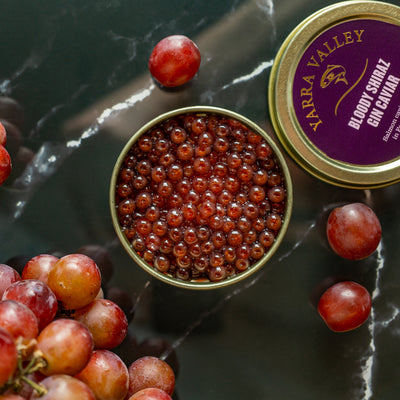
Shop high-quality red caviar from Global Seafoods and explore unique varieties like Bloody Shiraz Infused Caviar. For more seafood recipes and tips, subscribe to our YouTube channel.


Also in News

Halibut Nutrition Facts: Everything You Need to Know

Crab vs. Lobster: Which is Healthier?

The Health Benefits of Ikura: What You Need to Know
Shop Now
Main
