
Black Caviar: The Ultimate Luxury Food Experience

The Allure of Black Caviar: Why It’s the Ultimate Luxury Food
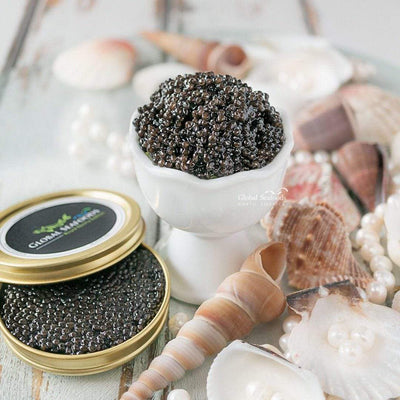
Few foods evoke luxury as effortlessly as black caviar. This culinary delicacy, celebrated for its rich flavor and unique texture, has been a symbol of opulence for centuries. But what makes black caviar so exclusive? Let’s dive into the factors that contribute to its high price, unparalleled taste, and prestigious status.
Why Is Black Caviar So Luxurious?
1. Rare and Precious Source
Black caviar comes from sturgeon, a prehistoric fish found in limited regions such as the Caspian Sea and Black Sea.
- Slow Maturity: Sturgeon can take up to 20 years to produce roe.
- Limited Availability: Not all sturgeon species produce caviar, and even fewer yield the high-quality black caviar prized by connoisseurs.
For premium options, explore Black Caviar or Beluga Caviar.
2. Labor-Intensive Harvesting and Production
Creating black caviar is an art requiring precision and expertise.
- Delicate Extraction: Roe must be carefully harvested to maintain the integrity of the eggs.
- Meticulous Processing: Eggs are sorted, salted, and aged to perfection.
- Sustainability: Ethical farming practices ensure the long-term survival of sturgeon populations while meeting global demand.
Check out sustainable options like Wild Sturgeon Black Caviar.
Flavor and Texture: A Feast for the Senses
What Does Black Caviar Taste Like?
The flavor of black caviar is an elegant blend of briny and buttery notes, with subtle hints of the sea. Each egg bursts in your mouth, delivering a luxurious texture that’s both creamy and delicate.
Varieties of Black Caviar
- Beluga Caviar: Known for its large, soft pearls and rich flavor.
- Ossetra Caviar: Nutty, complex, and slightly firmer.
- Kaluga Caviar: Often compared to Beluga for its creamy, buttery taste.
- Siberian Sturgeon Caviar: Bold, briny, and perfect for adventurous palates.
Explore these varieties here.
How to Serve and Enjoy Black Caviar
Serving Tips
- Keep It Chilled: Serve black caviar on a bed of crushed ice to maintain its freshness.
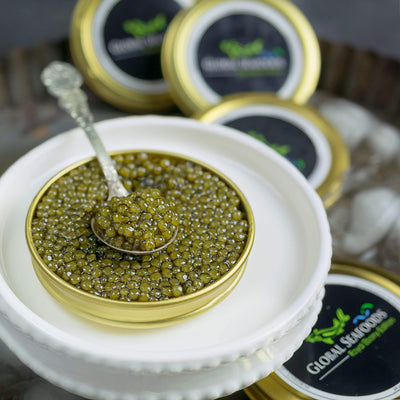
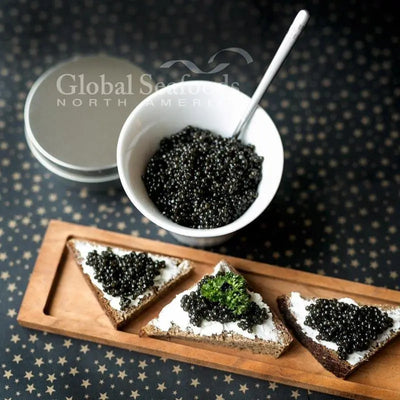
- Avoid Metal Spoons: Use mother-of-pearl, bone, or wooden spoons to preserve the caviar’s natural flavor.
- Portion Control: One to two ounces per person is the ideal serving size.
Pairing Ideas
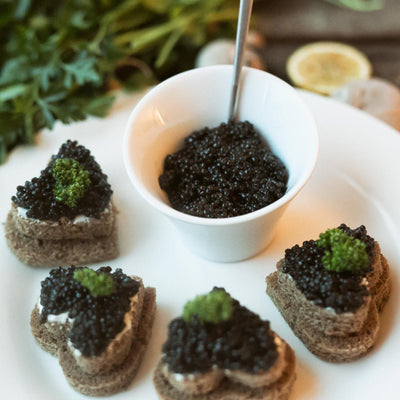
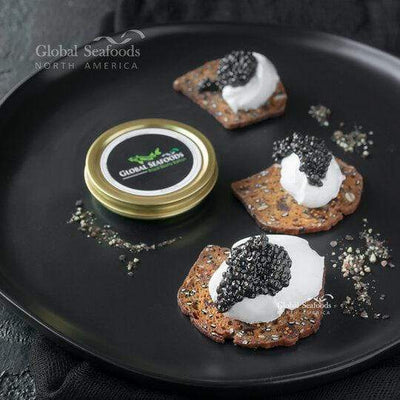
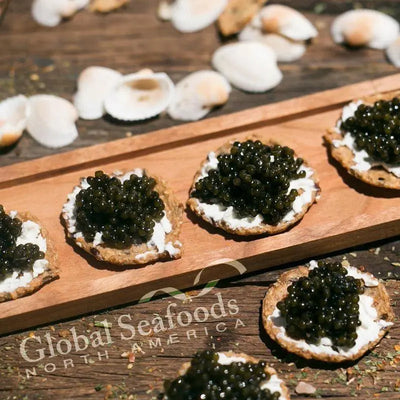
- Classic Pairings: Blinis, crème fraîche, and finely chopped chives.
- Beverages: Champagne, vodka, or a crisp dry white wine complement the caviar’s richness.
- Creative Applications: Top oysters, sushi, or scrambled eggs for a gourmet touch.
Learn more about serving Russian Ossetra Caviar.
FAQs About Black Caviar
What Is Black Caviar?
Black caviar is the roe (eggs) of sturgeon fish, renowned for its exquisite flavor and luxurious reputation.
Why Is Black Caviar So Expensive?
Its rarity, labor-intensive production, and association with high-end dining contribute to its high price.
How Should I Store Black Caviar?
Store it in the coldest part of your refrigerator between -2°C and 2°C. Once opened, consume within 2–3 days.
What Are Sustainable Options for Black Caviar?
Look for farmed varieties like White Sturgeon Caviar and California White Sturgeon Caviar.
Cultural Prestige: The History of Black Caviar
Black caviar has been a symbol of wealth and refinement for centuries. Once reserved for royalty and nobility, it remains a staple at lavish events and exclusive gatherings. Its enduring legacy continues to make it one of the most prestigious delicacies in the world.
Conclusion: A Culinary Treasure Worth Savoring
Black caviar is more than just a food; it’s an experience that embodies luxury, tradition, and artistry. From its meticulous production to its elegant flavor, every detail reflects its status as the pinnacle of gourmet indulgence.
Whether you’re celebrating a special occasion or indulging in life’s finer things, black caviar promises an unforgettable journey for your taste buds.
Explore More
📺 Watch Our YouTube Channel
Learn more about luxury seafood on our YouTube channel. Subscribe for exclusive insights and premium product highlights!



Also in News

Halibut Nutrition Facts: Everything You Need to Know

Crab vs. Lobster: Which is Healthier?

The Health Benefits of Ikura: What You Need to Know
Shop Now
Main
