
Coho Salmon Caviar: Nutritional Benefits, Recipes, and Sustainability

Coho Salmon Caviar: Nutritional Benefits, Recipes, and Sustainability
Coho salmon caviar is one of the most nutrient-dense whole foods available — a 30g (1 oz) serving delivers a significant portion of several critical nutrients at roughly 40–50 calories. This guide focuses on the nutritional profile in depth, explains what the evidence actually supports (and where common claims are overstated), and covers sustainability and serving basics. For detailed recipes, see our Creative Culinary Adventures with Coho Salmon Caviar guide.
Shop sustainably sourced Coho salmon caviar: Global Seafoods Coho Salmon Caviar.
What Is Coho Salmon Caviar?
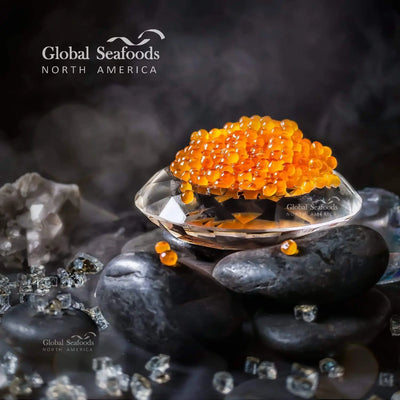
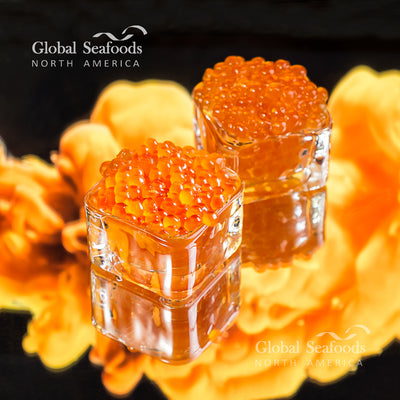
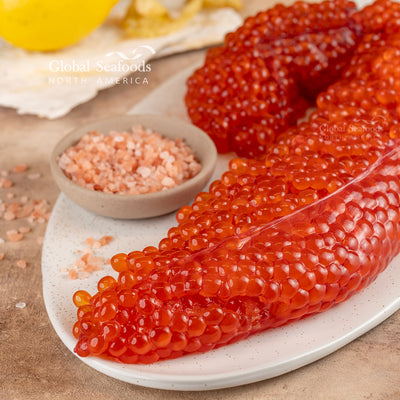
Coho salmon caviar is the roe of Oncorhynchus kisutch (silver salmon), harvested primarily from Alaska’s wild-managed Pacific fisheries. Medium-large eggs (approximately 4–5mm), bright to deep orange, with a mild briny flavor and clean slightly tangy finish — widely considered the most approachable of the Pacific salmon roes for new tasters, with sufficient character for experienced palates.
Nutritional Profile
Per 30g (approximately 1 oz / 2 tablespoons) serving of malossol-cured Coho salmon roe, approximate values:
- Calories: 40–50 kcal
- Protein: 6–8g (complete protein — all essential amino acids present)
- Fat: 2–3g total; approximately 1,000–1,500mg omega-3 fatty acids (EPA+DHA combined)
- Vitamin B12: 150–200% of daily recommended value
- Vitamin D: 15–25% of daily recommended value
- Selenium: 30–40% of daily recommended value
- Iron: 10–15% of daily recommended value
- Sodium: 300–500mg (significant — relevant for those monitoring intake)
These are approximate values; exact figures vary by fish, processing method, and salt level. Malossol (lightly salted, 3–5% salt by weight) is the standard for premium product.
Omega-3 Fatty Acids: What the Evidence Actually Says
EPA and DHA: Coho salmon roe provides approximately 1,000–1,500mg of EPA+DHA combined per 30g serving — comparable to or exceeding a standard fish oil supplement capsule. The American Heart Association recommends two servings of fatty fish per week as part of a heart-healthy diet, citing evidence that EPA+DHA consumption is associated with reduced cardiovascular risk, including reduced triglyceride levels and lower rates of fatal cardiac events.
An important distinction — omega-3s and cholesterol: Omega-3 fatty acids (EPA/DHA) are well-documented to reduce blood triglycerides, which is their primary cardiovascular mechanism. They do not reliably reduce LDL (“bad”) cholesterol — and at high doses, some studies show modest LDL increases. If managing LDL is a specific goal, omega-3s alone are not the appropriate intervention; a physician or registered dietitian should be consulted.
Phospholipid form — a genuine advantage over fish oil supplements: The omega-3s in salmon roe are predominantly in phospholipid form, as opposed to the triglyceride or ethyl ester form found in most fish oil supplements. Research (including studies published in the European Journal of Nutrition and Lipids) suggests that phospholipid omega-3s have higher bioavailability — meaning the body absorbs and utilizes them more efficiently per gram than typical supplement forms. This is a meaningful and evidence-supported advantage of whole roe over capsule supplementation.
Brain health: DHA is a structural component of brain tissue and the retina, and adequate DHA intake is associated with better cognitive performance and is important during fetal development and early childhood. The evidence for DHA preventing specific neurodegenerative diseases (Alzheimer’s, Parkinson’s) in adults from dietary intake alone is suggestive but not conclusively established in clinical trials. The accurate statement is that DHA supports normal brain function and structure; claims beyond that overstate the current evidence base.
Vitamin B12
At 150–200% of the daily recommended value per 30g serving, Coho salmon roe is one of the richest dietary sources of Vitamin B12 available. B12 is essential for neurological function, DNA synthesis, and red blood cell formation. Deficiency — common in older adults and those eating plant-based diets — causes fatigue, neurological symptoms, and anemia. Even a small serving of salmon roe substantially exceeds the daily requirement.
Selenium and Vitamin D
Selenium (30–40% DV per 30g) is a trace mineral with antioxidant function that supports thyroid hormone metabolism and immune response. Selenium deficiency is relatively uncommon in North America but is a concern in certain regions with selenium-poor soils.
Vitamin D (15–25% DV per 30g) is one of the few significant dietary sources of Vitamin D, alongside fatty fish and fortified foods. Most adults in northern latitudes are deficient or insufficient. Fatty fish and seafood roe are among the best whole-food sources.
Calorie Density and Satiety
At 40–50 calories per 30g serving, Coho salmon caviar delivers an unusually high nutrient density per calorie. The combination of complete protein and healthy fat also supports satiety at small portion sizes. The primary dietary consideration is sodium (300–500mg per 30g), which is relevant for individuals managing hypertension or following a low-sodium diet.
Serving Basics
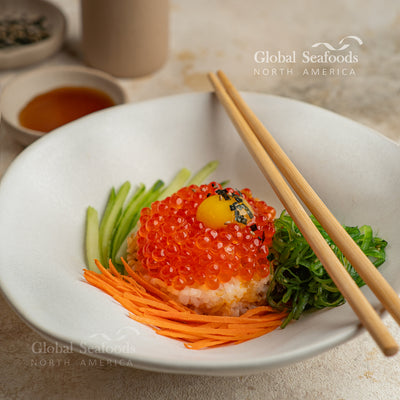
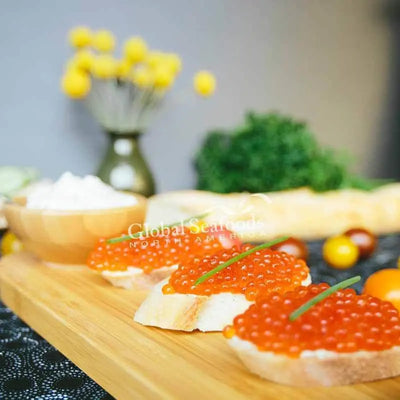
Cold, on a neutral fat-rich carrier (blinis with crème fraîche, buttered toast, cucumber rounds), added at the last moment before serving using a non-metal spoon. Never heated — heat collapses the egg membrane and destroys both texture and flavor. Never use metal utensils — metal reacts with roe oils and imparts a metallic off-flavor.
Sustainability
Alaska wild-caught Coho salmon is managed under Alaska’s constitutional sustained-yield mandate — one of the most rigorous fishery management frameworks in the world. Commercial harvest is regulated by annual ADF&G escapement goals, with in-season closures when goals are not being met. Alaska Coho salmon fisheries hold Marine Stewardship Council (MSC) certification, the leading third-party standard for wild-capture fishery sustainability. Look for Alaska origin and MSC labeling when purchasing Coho roe.
Where to Buy
- Coho Salmon Caviar — wild-caught, sustainably sourced
- Chum Salmon Caviar — largest eggs, mildest flavor
- Pink Salmon Caviar — smaller eggs, excellent value
- Rainbow Trout Pearls — delicate freshwater roe
- Full Red Caviar Collection
Frequently Asked Questions
How does the omega-3 in salmon caviar compare to fish oil supplements?
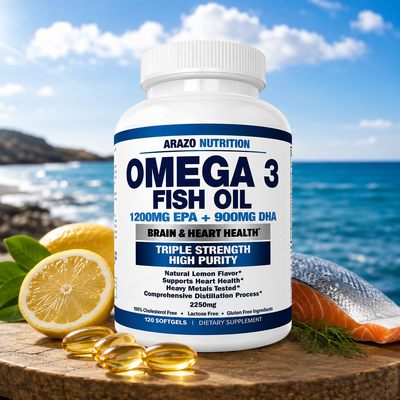
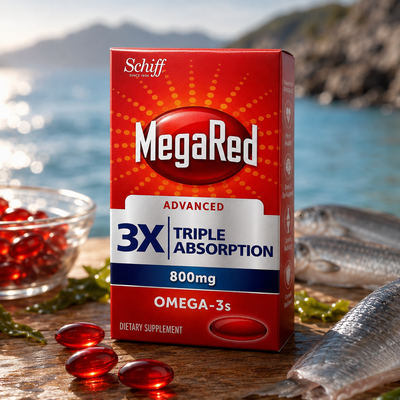
In terms of quantity, a 30g serving of Coho salmon roe provides approximately 1,000–1,500mg of EPA+DHA — comparable to one or two standard fish oil capsules. The key difference is form: salmon roe omega-3s are predominantly in phospholipid form, while most fish oil supplements deliver omega-3s as triglycerides or ethyl esters. Research suggests phospholipid omega-3s have higher bioavailability — the body absorbs and utilizes them more efficiently per gram. This means whole roe may deliver more actual omega-3 benefit per gram consumed than an equivalent capsule dose, in addition to providing complete protein, B12, Vitamin D, selenium, and iron that supplements do not contain.
How is Coho salmon caviar different from other caviar types?
Among Pacific salmon roes: medium-large eggs (~4–5mm), mild briny flavor with a slightly tangy finish, less intense than Sockeye, rounder and milder than Chum. Most approachable for new tasters. Compared to sturgeon caviars (Kaluga, Ossetra): more assertively briny, more vividly orange, significantly more affordable, and nutritionally comparable in omega-3 content per gram.
Can I freeze Coho salmon caviar?
Not recommended for premium product. Ice crystal formation weakens the egg membrane, resulting in softer texture after thawing. If necessary, freeze in small portions and consume within 3 months. Thaw overnight in the refrigerator, never at room temperature.
How should I store Coho salmon caviar?
Refrigerate at 32–38°F (0–3°C) — the coldest zone of the home refrigerator (back of bottom shelf or deli drawer). Unopened: 3–6 months. Opened: 2–3 days. Always use a non-metal spoon and close tightly after each use.
Is Coho salmon caviar sustainable?
Alaska wild-caught Coho roe is among the most sustainably managed seafood products available. Alaska’s constitutional sustained-yield mandate, ADF&G escapement-based quota management, in-season closures, and MSC third-party certification together represent a robust sustainability framework. Look for Alaska origin and MSC labeling.
What are the health benefits of Coho salmon caviar?
Well-supported benefits: cardiovascular health (EPA+DHA reduce triglycerides and are associated with reduced cardiac risk per AHA guidance); neurological health (DHA is a structural component of brain tissue); B12 adequacy (one of the richest dietary sources); Vitamin D supplementation (a meaningful contribution to a commonly deficient nutrient); selenium and antioxidant support. The omega-3s are delivered in phospholipid form, which research suggests is more bioavailable than the triglyceride or ethyl ester forms in most supplements.
Related Products


Also in News

Snail Caviar: How White Escargot Caviar Is Farmed, Harvested and Made

The Dark Years of Pacific Salmon: A 20-Year Outlook for Alaska, Russia, and the Red Caviar Market

King Crab Legs Delivery: Is It Worth It? Exploring the Benefits and Best Options
Shop Now
Main
