
The Health Benefits of Ikura Sushi: Why Salmon Roe is a Nutritional Powerhouse

The Health Benefits of Ikura Sushi: Why Salmon Roe Is a Nutritional Powerhouse
Ikura (salmon roe) is one of the most nutritionally dense foods available -- a concentrated source of omega-3 fatty acids, complete protein, vitamin B12, vitamin D, selenium, choline, and astaxanthin in a small, low-carbohydrate package. This article covers the specific health benefits of each key nutrient in ikura, the research supporting those benefits, how ikura compares to other omega-3 sources, and practical guidance on how much to eat and how to incorporate it into a balanced diet.
Salmon Roe (Ikura) at Global Seafoods
The Nutritional Profile of Ikura: Specific Numbers
Per 100g serving: approximately 250 kcal; 29g protein; 14g fat (predominantly omega-3 fatty acids EPA and DHA); 4g carbohydrates; approximately 1,500mg sodium (from the salt curing process). A typical restaurant serving of ikura (approximately 1-2 oz / 28-56g) contains approximately 8-16g protein, 4-8g fat, and 420-840mg sodium.
Key Health Benefits: The Nutrients and the Research
1. Omega-3 Fatty Acids (EPA and DHA): Cardiovascular and Brain Health
Ikura is one of the richest dietary sources of long-chain omega-3 fatty acids -- specifically EPA (eicosapentaenoic acid) and DHA (docosahexaenoic acid). These are the forms of omega-3 that the body can use directly; plant-based omega-3s (ALA, found in flaxseed and walnuts) must be converted to EPA and DHA by the body, and this conversion is inefficient (typically less than 10%).
Cardiovascular benefits: research consistently shows that EPA and DHA reduce triglyceride levels (elevated triglycerides are a risk factor for cardiovascular disease); reduce blood pressure in people with hypertension; reduce platelet aggregation (the tendency of blood to clot); and reduce systemic inflammation, which is a driver of atherosclerosis. The American Heart Association recommends eating fatty fish (a primary dietary source of EPA and DHA) at least twice per week for cardiovascular health.
Brain health benefits: DHA is the most abundant omega-3 fatty acid in the brain and is essential for maintaining the structure and function of brain cell membranes; research has associated higher dietary DHA intake with better cognitive function, improved memory, and reduced risk of age-related cognitive decline; DHA is particularly important during pregnancy and early childhood for fetal and infant brain development.
Anti-inflammatory effects: EPA is the primary precursor to anti-inflammatory eicosanoids (signaling molecules); higher EPA intake is associated with reduced markers of systemic inflammation (C-reactive protein, interleukin-6); chronic low-grade inflammation is a driver of cardiovascular disease, type 2 diabetes, and several cancers.
2. Complete Protein: Muscle Repair and Metabolic Health
Ikura contains approximately 29g of complete protein per 100g -- meaning it contains all nine essential amino acids in adequate proportions. Seafood protein is highly bioavailable (the body absorbs and uses it efficiently). A typical 1-2 oz serving of ikura provides 8-16g of protein, making it a meaningful protein source even in small quantities. Protein is essential for muscle repair and growth, immune function (antibodies are proteins), enzyme production, and maintaining a healthy metabolism.
3. Vitamin B12: Neurological Function and Red Blood Cell Production
Vitamin B12 is found almost exclusively in animal products; plant-based diets are at high risk of B12 deficiency. Ikura is an exceptionally rich source -- a small serving provides several times the recommended daily intake (2.4 mcg for adults). B12 is essential for the production of myelin (the protective sheath around nerve fibers); red blood cell formation (B12 deficiency causes megaloblastic anemia); and DNA synthesis. B12 deficiency causes neurological symptoms (numbness, tingling, cognitive impairment) that can be irreversible if not treated.
4. Vitamin D: Bone Health, Immune Function, and More
Vitamin D is one of the most common nutritional deficiencies in the developed world, particularly in northern latitudes where sunlight exposure is limited for much of the year. Ikura is one of the few dietary sources of vitamin D (most foods contain little or none naturally). Vitamin D is essential for calcium absorption and bone mineralization (deficiency causes rickets in children and osteomalacia in adults); immune function (vitamin D receptors are present on most immune cells); and muscle function. Research also associates adequate vitamin D levels with reduced risk of several cancers, autoimmune diseases, and cardiovascular disease, though causality has not been definitively established for all of these associations.
5. Selenium: Antioxidant Defense and Thyroid Function
Selenium is a trace mineral that functions as a component of selenoproteins -- enzymes with powerful antioxidant properties that protect cells from oxidative damage. Selenium is essential for thyroid hormone metabolism (the thyroid contains the highest concentration of selenium of any organ in the body); immune function; and DNA synthesis and repair. Salmon roe is one of the richest dietary sources of selenium.
6. Choline: Brain Development and Liver Function
Choline is an essential nutrient that most people do not consume in adequate amounts. It is essential for the synthesis of acetylcholine (a neurotransmitter involved in memory and muscle control); phosphatidylcholine (a major component of cell membranes); and betaine (involved in liver function and homocysteine metabolism). Choline is particularly important during pregnancy -- adequate choline intake during pregnancy is associated with better cognitive outcomes in offspring. Ikura is a rich source of choline.
7. Astaxanthin: The Antioxidant Behind the Color
Astaxanthin is the carotenoid pigment responsible for the orange-red color of salmon roe. It is one of the most potent antioxidants found in any food -- research suggests it is significantly more potent than vitamin C, vitamin E, and beta-carotene as a free radical scavenger. Astaxanthin is fat-soluble and is best absorbed with dietary fat (the omega-3s in ikura enhance its absorption). Research has associated astaxanthin with reduced oxidative stress and inflammation; improved skin health (reduced UV-induced skin damage); potential neuroprotective effects; and improved exercise performance and recovery. The natural astaxanthin in wild salmon roe is distinct from the synthetic astaxanthin fed to farmed salmon -- wild ikura contains natural astaxanthin, which has a different molecular structure and may have different biological activity than the synthetic form.
How Ikura Compares to Other Omega-3 Sources
- Ikura (salmon roe): approximately 3.5-4g omega-3 (EPA+DHA) per 100g; also provides complete protein, B12, vitamin D, selenium, choline, and astaxanthin
- Wild Atlantic salmon (cooked): approximately 2.2g omega-3 per 100g; excellent source of protein and B12; less concentrated than roe
- Mackerel (cooked): approximately 2.5g omega-3 per 100g; one of the richest fish sources; also high in B12
- Sardines (canned in oil): approximately 1.5g omega-3 per 100g; also high in calcium (from the bones) and B12
- Fish oil supplements: typically 0.3-0.5g EPA+DHA per capsule; no protein, vitamins, or other nutrients; less bioavailable than food sources in some research
- Flaxseed (ALA omega-3): approximately 22g ALA per 100g; but ALA must be converted to EPA and DHA by the body; conversion efficiency is typically less than 10%; not an equivalent substitute for marine omega-3s
The practical implication: ikura is one of the most nutrient-dense omega-3 sources available -- it provides more EPA+DHA per gram than most fish, along with a complete package of complementary nutrients that enhance the absorption and utilization of those omega-3s.
Practical Guidance: How Much Ikura to Eat and How to Incorporate It
How Much
The American Heart Association recommends two servings of fatty fish per week for cardiovascular health. A serving of ikura (1-2 oz / 28-56g) provides a meaningful dose of EPA and DHA. Sodium consideration: ikura is relatively high in sodium (approximately 1,500mg per 100g from the salt curing process); a 1-2 oz serving contains 420-840mg sodium; people monitoring sodium intake should account for this; the health benefits of the omega-3s and other nutrients are not negated by the sodium content for most people, but those with hypertension or kidney disease should be aware of the sodium load.
How to Incorporate Ikura
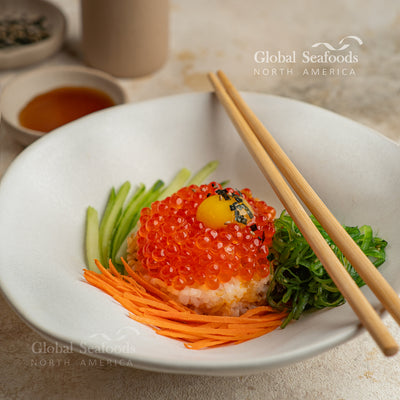
- Ikura don (rice bowl): the most generous serving format; 2-3 oz of ikura over seasoned sushi rice; see the complete ikura don guide
- Ikura gunkan-maki: traditional sushi format; 4-8 pieces per serving; see the ikura sushi at home guide
- Ikura on avocado or cucumber: low-carb format; 1-2 tbsp of ikura as a topping; see the low-carb and keto ikura guide
- Ikura as a garnish: 1 tsp of ikura on scrambled eggs, pasta, or salad adds omega-3s and flavor without a large sodium load
Chum Salmon Caviar | Coho Salmon Caviar | Trout Red Caviar
Also see: Ikura for Health-Conscious Eaters: Low-Carb, Gluten-Free, and Keto Guide | The Complete Ikura Buyer's Guide | Why Wild Alaskan Salmon Roe Is the Most Sustainable Luxury Seafood
Watch seafood preparation videos on the Global Seafoods YouTube Channel
Frequently Asked Questions About Ikura Sushi Health Benefits
Is ikura sushi good for your heart?
Yes. Ikura is one of the richest natural sources of omega-3 fatty acids (EPA and DHA). Research consistently shows that EPA and DHA reduce triglyceride levels, reduce blood pressure in people with hypertension, reduce platelet aggregation, and reduce systemic inflammation -- all of which are risk factors for cardiovascular disease. The American Heart Association recommends eating fatty fish (a primary dietary source of EPA and DHA) at least twice per week for cardiovascular health. Ikura provides approximately 3.5-4g of EPA+DHA per 100g -- more than most fish.
How much protein does ikura contain?
Ikura contains approximately 29g of complete protein per 100g. A typical restaurant serving (1-2 oz / 28-56g) provides approximately 8-16g of protein. This protein is highly bioavailable -- the body absorbs and uses it efficiently. Ikura contains all nine essential amino acids, making it a complete protein source. It is an excellent protein source for athletes, active individuals, and anyone looking to support muscle repair and growth.
What vitamins are found in ikura?
Ikura is particularly rich in: vitamin D (one of the few dietary sources; essential for bone health, calcium absorption, and immune function); vitamin B12 (a small serving provides several times the recommended daily intake; essential for nerve function and red blood cell production; found almost exclusively in animal products); selenium (a powerful antioxidant essential for thyroid function and immune health); choline (essential for brain development, liver function, and cell membrane integrity); and astaxanthin (the carotenoid pigment responsible for the orange-red color; one of the most potent antioxidants found in any food; fat-soluble and best absorbed with the omega-3s in ikura).
How often should I eat ikura for health benefits?
The American Heart Association recommends two servings of fatty fish per week for cardiovascular health. A serving of ikura (1-2 oz / 28-56g) counts toward this recommendation. Ikura is relatively high in sodium (approximately 1,500mg per 100g from the salt curing process; a 1-2 oz serving contains 420-840mg sodium); people monitoring sodium intake should account for this. For most people, incorporating ikura 2-3 times per week as part of a varied, nutrient-rich diet is a practical and beneficial approach.

Related Products


Also in News

Snail Caviar: How White Escargot Caviar Is Farmed, Harvested and Made

The Dark Years of Pacific Salmon: A 20-Year Outlook for Alaska, Russia, and the Red Caviar Market

King Crab Legs Delivery: Is It Worth It? Exploring the Benefits and Best Options
Shop Now
Main
