
How to Cook Black Caviar: A Gourmet Guide to Preparing and Serving Caviar

How to Cook Black Caviar: A Gourmet Guide to Preparing and Serving Caviar
Black caviar is one of the world's most luxurious delicacies, often served raw to preserve its delicate texture and briny flavor. However, some culinary enthusiasts explore cooking caviar to create unique textures and flavors. Cooking black caviar is a delicate process that requires precise techniques to ensure it retains its exquisite taste.
In this comprehensive guide, we'll cover everything you need to know about cooking black caviar, from selecting the best type to cooking methods, serving suggestions, and expert tips.
Why Cook Black Caviar?
1. Enhancing Flavor and Texture
Cooking black caviar slightly changes its texture, making it firmer while intensifying its nutty, buttery undertones. When heated properly, it can develop a deeper umami richness that complements many gourmet dishes.
2. Unique Culinary Applications
While raw caviar is a delicacy, lightly cooking it allows for creative applications in hot dishes, such as pasta, scrambled eggs, or seafood sauces.
3. Pairing with Other Ingredients
Cooked caviar pairs beautifully with ingredients like butter, truffle oil, mushrooms, cream, and seafood, making it a perfect addition to various dishes.
Selecting the Best Caviar for Cooking
Not all caviar types are suitable for cooking. Some varieties hold their shape and flavor better when heated.
Best Types of Caviar for Cooking
- Beluga Caviar – Large, delicate eggs with a creamy texture. Best for minimal heat exposure.
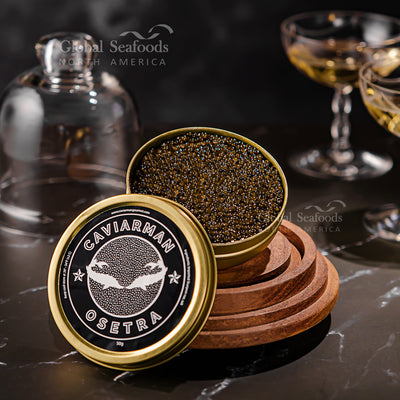
- Osetra Caviar – Medium-sized eggs with a nutty flavor, ideal for gentle warming.
- Sevruga Caviar – Smaller eggs with a strong briny taste, holds up well when lightly sautéed.
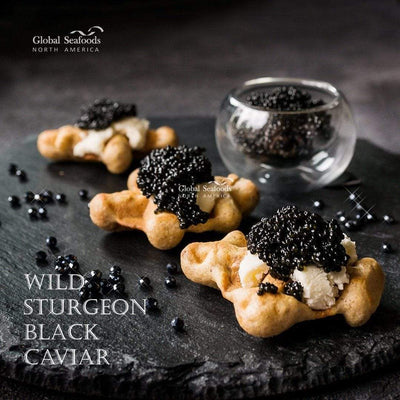
- White Sturgeon Caviar – Mild and smooth, works well in cooked dishes.
For high-quality options, shop these premium caviar selections:
How to Cook Black Caviar: Best Techniques
Cooking caviar requires minimal heat and careful handling to prevent the eggs from hardening or bursting.
1. Lightly Sautéed Caviar
Best for: Scrambled eggs, pasta, or seafood toppings.
- Preheat a non-stick pan over low heat for 1–2 minutes.
- Do not use oil or butter — caviar releases natural oils.
- Add a small portion of caviar to the pan and gently stir with a silicone spatula.
- Cook for 10–15 seconds until slightly warmed. Do not overcook, as it will turn rubbery.
- Remove immediately and serve over scrambled eggs, pasta, or seafood.
Recommended caviar for sautéing: Paddlefish Caviar or Kaluga Caviar
2. Warmed Caviar on Blinis or Toast
Best for: Elegant appetizers and canapés.
- Preheat your oven to 200°F (93°C).
- Place blinis or toast points on a baking sheet.
- Spread a thin layer of butter or crème fraîche on top.
- Gently place caviar on top and warm for 30 seconds.
- Serve immediately with a squeeze of lemon.
3. Poached Caviar
Best for: Preserving delicate texture while slightly enhancing the briny taste.
- Heat a small pot of salted water to 160°F (71°C) — do not boil.
- Place caviar in a fine-mesh sieve or cheesecloth.
- Lower it into the water and let it sit for 10–15 seconds.
- Remove and serve immediately over seafood or risotto.
4. Caviar-Infused Sauce for Pasta or Seafood
Best for: Gently melting caviar into a rich sauce for seafood or pasta dishes.
- In a saucepan, melt butter over low heat.
- Add heavy cream and let it warm — do not boil.
- Stir in 1 tablespoon of caviar and mix gently.
- Toss with pasta, lobster, or scallops.
Try with: Wild Sturgeon Black Caviar
How to Serve Cooked Caviar
1. Classic Pairings
- Soft scrambled eggs with caviar on toast
- Grilled scallops topped with caviar butter
- Truffle risotto finished with a spoonful of warmed caviar
2. Luxury Caviar Appetizers
- Caviar-stuffed oysters
- Lobster medallions topped with caviar
- Blini canapés with warmed caviar and crème fraîche
Conclusion
Cooking black caviar is a refined culinary art that enhances its delicate flavor and texture. Whether lightly sautéed, poached, or served warm on blinis, caviar elevates any dish to a gourmet level. By following these expert techniques, you can savor the luxurious taste of cooked black caviar while preserving its quality.
Looking for premium, sustainably sourced caviar? Explore these top-quality options:
For more caviar recipes and buying guides, subscribe to Global Seafoods YouTube Channel
Frequently Asked Questions (FAQs)
Q: Can I fry caviar?
A: No. Frying caviar is not recommended — the high heat destroys its delicate texture and causes the eggs to burst and turn rubbery. Stick to low-heat methods: sautéing for 10–15 seconds, poaching at 160°F, or warming in the oven at 200°F.
Q: How long can cooked caviar last?
A: Cooked caviar is best eaten immediately. If you have leftovers, refrigerate and consume within 24 hours. Unlike raw caviar (which keeps 2–4 weeks unopened), cooked caviar degrades quickly and should never be refrozen.
Q: Is it safe to bake caviar?
A: Yes, but only at very low temperatures — below 200°F (93°C) — and for no more than 30–60 seconds. Higher temperatures cause the eggs to burst and lose their characteristic pop and flavor. The warmed blinis method in this guide is the safest baking application.
Q: Where can I buy the best black caviar?
A: For the highest-quality caviar, shop directly from Global Seafoods' Black Caviar Collection. They carry Beluga, Osetra, Sevruga, Kaluga, White Sturgeon, and California White Sturgeon caviar — all sustainably sourced.
Q: What is the most important rule when cooking caviar?
A: Never use high heat. Caviar should never exceed 160–200°F (71–93°C), and exposure should be kept to 10–30 seconds maximum. Always use a non-metallic utensil (silicone or wood) and serve immediately after warming — caviar does not hold well once heated.


Related Products


Also in News

Live King Crab During Pregnancy – A Nutritious & Delicious Choice
Eating live king crab during pregnancy provides essential nutrients, omega-3s, and protein that support fetal development and maternal health. Find out how to safely enjoy this luxurious seafood while reaping its incredible benefits!

Live King Crab Sushi Rolls: The Ultimate Seafood Indulgence
Live King Crab Sushi Rolls are the epitome of luxury dining. Discover the exquisite flavors, expert tips for making them at home, and where to buy the freshest king crab for an unforgettable sushi experience.

IKURA Caviar Guide: How to Buy, Store & Serve Salmon Roe
Discover everything you need to know about buying IKURA caviar, including quality selection, pricing, storage tips, and the best serving methods. Find premium IKURA today!
Shop Now
Main
