
Pacific Whiting: The Sustainable Seafood Choice for Your Next Meal

Pacific Whiting: A Sustainable, Nutritious Seafood Choice
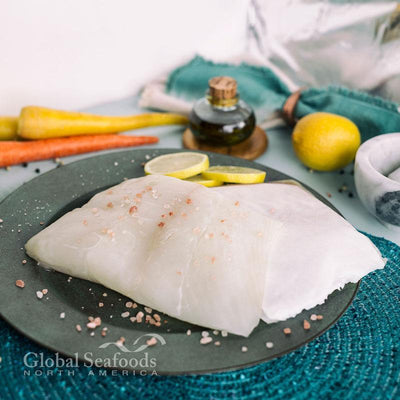
Pacific Whiting (Merluccius productus), also called Pacific hake, is one of the most abundant whitefish species on the West Coast of North America. It is mild, flaky, versatile, and -- critically -- one of the best-managed commercial fisheries in the United States. For eco-conscious eaters looking for a high-quality, affordable whitefish that doesn't carry the sustainability concerns of cod or halibut, Pacific Whiting is an excellent choice.
Global Seafoods Whitefish Collection | Pacific Whiting
Global Seafoods YouTube Channel
Why Pacific Whiting Is a Sustainable Choice
Fishery Management
The Pacific Whiting fishery is jointly managed by the United States and Canada under the Pacific Whiting Conservation and Management Agreement, with annual catch limits set by NOAA Fisheries (US) and Fisheries and Oceans Canada. The fishery operates under a catch share system with individual vessel quotas, strong at-sea monitoring, and regular stock assessments. Pacific Whiting is one of the largest commercial fisheries on the US West Coast by volume and has maintained stable stock levels under this management framework.
The Monterey Bay Aquarium's Seafood Watch program -- the leading consumer guide for sustainable seafood in the US -- rates US Pacific Whiting (Pacific hake) as a "Best Choice," its highest sustainability rating, reflecting the fishery's strong management, healthy stock status, and relatively low bycatch rates.
Low Environmental Impact
Pacific Whiting is primarily harvested by midwater trawl -- nets that target the fish in the water column rather than dragging along the seafloor, which significantly reduces habitat damage compared to bottom trawling. Bycatch rates are low relative to many other commercial fisheries, and the fishery has observer coverage requirements that support data collection and accountability.
A Practical Alternative to Overfished Species
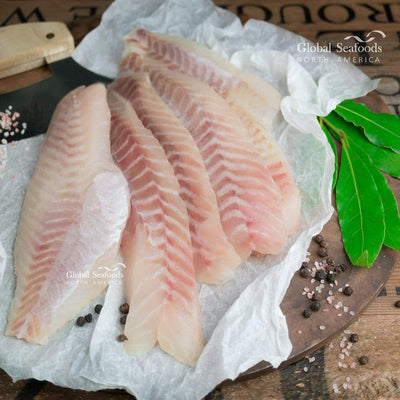
Pacific Whiting is an excellent substitute for Atlantic cod (overfished in many regions), imported tilapia (variable sustainability depending on origin), and other whitefish with more complex sustainability profiles. Choosing Pacific Whiting reduces pressure on more vulnerable species while delivering comparable flavor and texture. For other sustainable whitefish options: Pacific Cod Fillets
Nutritional Profile
Pacific Whiting is a lean, high-protein whitefish with a solid micronutrient profile:
- Calories: ~90 kcal per 3.5 oz (100g), raw
- Protein: ~18-19g complete protein
- Fat: ~1.5-2g (predominantly unsaturated)
- Omega-3 (EPA+DHA): ~0.3-0.5g -- lower than fatty fish (salmon, mackerel) but meaningful for a lean whitefish
- Vitamin B12: ~1.5-2 mcg (~60-80% DV)
- Selenium: ~30-35 mcg (~55-65% DV)
- Vitamin D: ~2-3 mcg (~10-15% DV)
Pacific Whiting is lower in omega-3s than fatty fish like salmon or mackerel, but its lean protein, selenium, and B12 content make it a nutritionally sound choice for regular consumption. Mercury levels are low, making it appropriate for frequent consumption including by pregnant women and children (follow current FDA/EPA guidance).
Flavor and Texture
Pacific Whiting has a mild, slightly sweet flavor with a soft, flaky texture. It is less assertive than cod or halibut and absorbs marinades and seasonings readily. Its delicate texture means it benefits from gentle cooking methods (baking, steaming, pan-searing) or protective coatings (breading, batter) for frying. It can become mushy if overcooked -- pull it from heat as soon as it flakes easily.
Pacific Whiting is an excellent substitute for cod, haddock, or tilapia in most recipes. Its mild flavor makes it particularly well-suited to bold spice rubs, citrus marinades, and creamy sauces.
5 Recipes
1. Grilled Pacific Whiting with Lemon Herb Marinade
Ingredients:
- 2 Pacific Whiting fillets
- 2 tbsp olive oil
- Juice and zest of 1 lemon
- 1 tbsp chopped flat-leaf parsley
- Salt and pepper
Instructions:
- Whisk together olive oil, lemon juice and zest, parsley, salt, and pepper. Marinate fillets for 15 minutes -- no longer, as the acid will begin to soften the delicate flesh.
- Preheat grill to medium-high. Oil grates well -- Pacific Whiting is delicate and will stick to dry grates.
- Grill 3-4 minutes per side until the fish flakes easily. Handle gently when turning.
- Serve with lemon wedges. For a similar grilling option: Lingcod Fillets
2. Baked Pacific Whiting with Garlic and Dill
Ingredients:
- 2 Pacific Whiting fillets
- 1 tbsp olive oil
- 2 cloves garlic, minced
- 1 tbsp fresh dill, chopped
- Salt and pepper
Instructions:
- Preheat oven to 375°F.
- Place fillets in a lightly oiled baking dish. Brush with olive oil, top with garlic and dill, season with salt and pepper.
- Bake 12-15 minutes until the fish flakes easily with a fork. Do not overbake -- Pacific Whiting dries out quickly past the flaking point.
- Serve immediately with lemon wedges.
3. Crispy Pacific Whiting Fish Tacos
Ingredients:
- 4 Pacific Whiting fillets
- ½ cup flour
- ½ cup cornmeal
- 1 tsp each: cumin, smoked paprika, garlic powder
- Salt and pepper
- Neutral oil for frying
- Corn tortillas, shredded cabbage, sliced avocado, lime wedges, crema or sour cream for serving
Instructions:
- Mix flour, cornmeal, cumin, paprika, garlic powder, salt, and pepper. Dredge fillets in the mixture, pressing to adhere.
- Heat ¼ inch of oil in a skillet over medium-high heat. Fry fillets 2-3 minutes per side until golden and crispy. Work in batches -- do not crowd the pan.
- Drain briefly on paper towels. Serve in warm tortillas with cabbage, avocado, a squeeze of lime, and crema.
4. Pacific Whiting Chowder
Ingredients:
- 1 lb Pacific Whiting, cut into 1-inch pieces
- 1 tbsp olive oil or butter
- 1 onion, diced
- 2 cloves garlic, minced
- 2 cups diced Yukon Gold potatoes
- 1 cup sliced carrots
- 4 cups fish or vegetable stock
- 1 cup heavy cream or half-and-half (optional, for a creamy chowder)
- Salt, pepper, fresh parsley for garnish
Instructions:
- Sauté onion and garlic in oil or butter over medium heat until translucent, 4-5 minutes.
- Add potatoes, carrots, and stock. Bring to a simmer and cook until vegetables are just tender, 12-15 minutes.
- Add Pacific Whiting pieces. Simmer gently 4-5 minutes until the fish is opaque and flakes easily -- do not boil vigorously or the fish will break apart.
- Stir in cream if using. Season with salt and pepper. Garnish with parsley and serve with crusty bread.
5. Pan-Seared Pacific Whiting with Garlic Butter
Ingredients:
- 2 Pacific Whiting fillets, patted completely dry
- 1 tbsp neutral oil (avocado or grapeseed)
- 2 tbsp unsalted butter
- 2 cloves garlic, minced
- Salt and pepper
- Lemon wedges and fresh parsley for serving
Instructions:
- Pat fillets completely dry -- this is essential for crust formation. Season with salt and pepper.
- Heat oil in a skillet over medium-high heat until shimmering. Add fillets presentation-side down. Do not move them for 3 minutes -- let the crust form.
- Flip carefully. Add butter and garlic to the pan. Baste the fish with the foaming butter for 1-2 minutes until cooked through.
- Serve immediately with lemon wedges and parsley. For a similar preparation: Pacific Cod Fillets
Buying and Storing Pacific Whiting
- Freshness indicators: White to off-white flesh, firm texture, clean mild ocean scent. Avoid fillets with a strong ammonia or sour smell, or flesh that feels mushy.
- Frozen: Pacific Whiting is often sold frozen (IQF -- individually quick frozen), which is perfectly appropriate for this species. Thaw overnight in the refrigerator.
- Refrigerator: Consume within 1-2 days of thawing.
- Freezer: Vacuum-sealed, up to 6 months.
FAQs
Why is Pacific Whiting considered a sustainable seafood choice?
The US Pacific Whiting fishery is managed under a joint US-Canada agreement with annual catch limits, individual vessel quotas, at-sea monitoring, and regular stock assessments. The Monterey Bay Aquarium's Seafood Watch rates US Pacific Whiting as a "Best Choice" -- its highest sustainability rating -- reflecting healthy stock status, strong management, and relatively low bycatch rates from midwater trawl harvesting.
How does Pacific Whiting taste?
Mild, slightly sweet, and clean -- less assertive than cod or halibut, and less "fishy" than stronger-flavored species. Its neutral flavor makes it an excellent canvas for bold seasonings, citrus marinades, and creamy sauces.
Can I substitute Pacific Whiting for other whitefish?
Yes -- Pacific Whiting substitutes well for cod, haddock, tilapia, or pollock in most recipes. Its texture is slightly softer than cod, so handle gently and avoid overcooking. It works particularly well in tacos, chowder, baked dishes, and pan-seared preparations.
Is Pacific Whiting good for a low-calorie diet?
Yes -- approximately 90 kcal and 18-19g protein per 3.5 oz serving, with minimal fat. It is one of the most protein-efficient whitefish available. Its low mercury levels also make it appropriate for frequent consumption.
Where can I buy high-quality Pacific Whiting?
Visit Global Seafoods Pacific Whiting for premium, sustainably sourced fillets, or explore the full Whitefish Collection for additional options.
What are the health benefits of Pacific Whiting?
High-quality lean protein (~18-19g per serving), selenium (~55-65% DV), vitamin B12 (~60-80% DV), and modest omega-3 fatty acids (0.3-0.5g EPA+DHA). Low mercury makes it suitable for frequent consumption including by pregnant women and children. It is a nutritionally sound everyday whitefish choice.



Related Products

Also in Recipes

Marinated Crab Recipe – Easy, Flavorful, and Perfect for Seafood Lovers

How to Cook Live Manila Clams at Home: Fresh, Sweet & Delivered Overnight
Discover how to store, clean, and cook Live Manila Clams at home using simple chef techniques. Learn why these Pacific clams are perfect for pasta vongole, steaming, chowders, and more — plus how to order them fresh in a convenient 10 lb bag shipped overnight.

Cooked Crab for Brunch: The Ultimate Guide to Morning Seafood
Discover the joy of crab for brunch! Learn how to prepare snow crab, king crab, and Dungeness crab in the morning, their health benefits, and easy recipes to make your brunch memorable.
Shop Now
Main
