
Caviar Comparison: Best Fish Roe for Sushi & Fine Dining

Caviar Comparison: Exploring the Best Types of Fish Roe for Sushi & Fine Dining
Caviar has long been considered a luxury delicacy, often associated with extravagant dining experiences. But did you know that caviar comes in different varieties, each with its own unique flavor, texture, and nutritional benefits?
From the classic sturgeon caviar to the vibrant red salmon caviar, and the crunchy tobiko (flying fish roe), this guide will help you understand the differences between the most popular types of caviar and fish roe—so you can make an informed choice for your next gourmet dish.
What is Caviar?
Caviar traditionally refers to salted sturgeon roe, but today, the term is widely used to describe various types of fish eggs that are enjoyed worldwide. While sturgeon caviar remains the most luxurious, other fish roes, such as salmon, trout, tobiko, and herring caviar, offer delicious and affordable alternatives.
Key Factors That Differentiate Caviar Types:
- Size & Texture: Large, delicate eggs vs. small, crunchy pearls
- Color: Black, red, orange, golden, or even green
- Flavor Profile: Mild, briny, buttery, nutty, or rich in umami
- Price & Availability: Ranges from ultra-premium to budget-friendly
Comparing Different Types of Caviar: Flavor, Texture & Uses
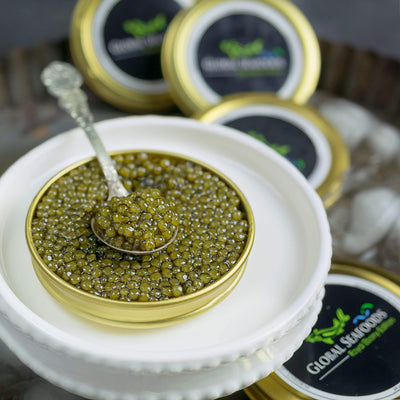
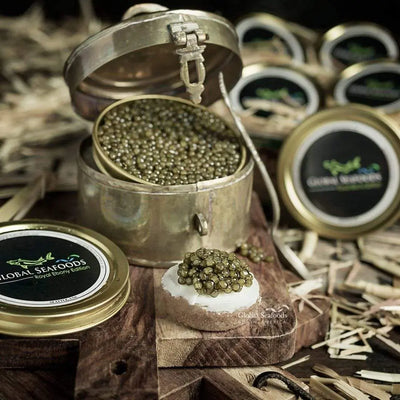
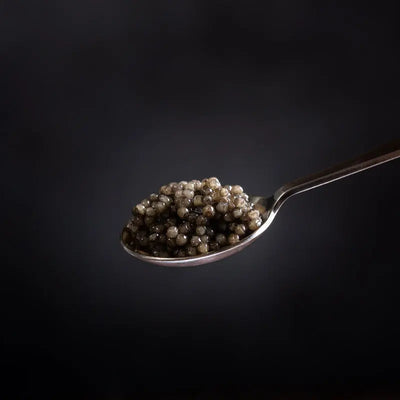
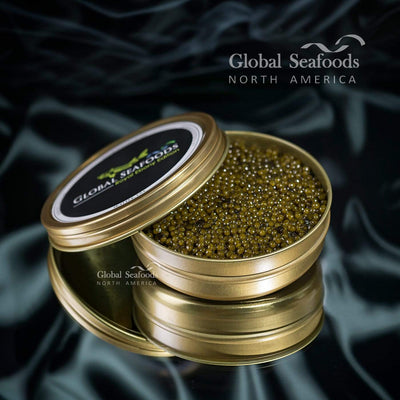
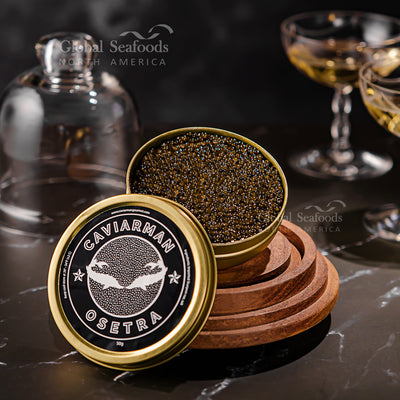
1. Sturgeon Caviar (Beluga, Osetra, Sevruga, Kaluga)
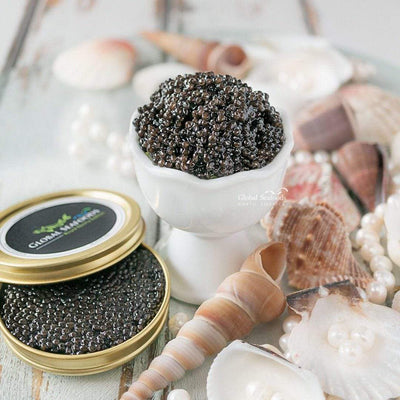
- Color: Ranges from black to golden brown
- Texture: Soft, delicate eggs that pop in the mouth
- Flavor: Buttery, nutty, mildly briny
- Best Used For: Fine dining, pairing with blinis, crème fraîche, champagne
👉 Premium & Expensive: True sturgeon caviar is the most luxurious and is sourced from Beluga, Osetra, Sevruga, and Kaluga sturgeon. It is prized for its buttery, rich flavor and delicate texture.
💰 Price: $$$$$ (Ultra-Premium)
Sturgeon Caviar Varieties:
- Beluga Caviar: The most expensive, with large, creamy eggs
- Osetra Caviar: Medium-sized, nutty, and golden-brown in color
- Sevruga Caviar: Smaller eggs with a strong, briny taste
- Kaluga Caviar: A sustainable alternative to Beluga, with large, smooth pearls
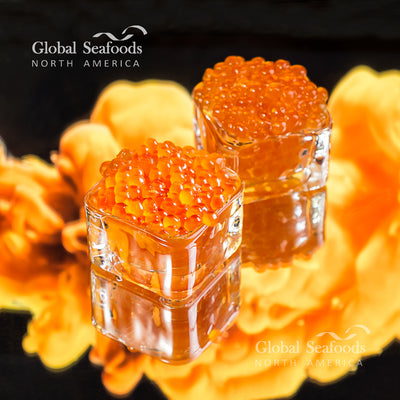
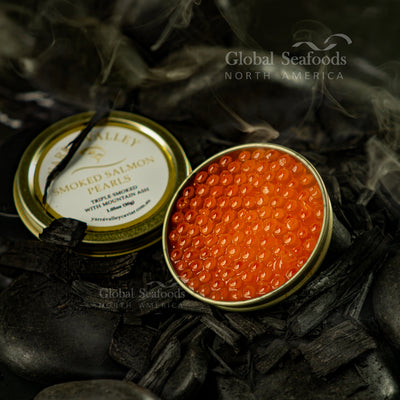
2. Red Salmon Caviar (Ikura)
- Color: Bright orange to deep red
- Texture: Large, soft pearls that burst in the mouth
- Flavor: Mild, slightly sweet, rich umami
- Best Used For: Sushi, blinis, appetizers, gourmet seafood dishes
👉 Affordable & Flavorful: Salmon caviar (Ikura) is one of the most popular and widely available types of fish roe. It’s mild, slightly sweet, and rich in omega-3 fatty acids, making it a nutritious choice.
💰 Price: $$ (Mid-Range)
🔗 Shop Red Salmon Caviar:
- Red Caviar Collection
- Buy Red Salmon Caviar
- Chum Salmon Caviar
- Coho Salmon Caviar
- Pink Salmon Caviar
3. Trout Caviar
- Color: Bright orange to golden yellow
- Texture: Slightly firmer than salmon roe, smaller in size
- Flavor: Bold, briny, with a clean, fresh taste
- Best Used For: Sushi, pasta, seafood platters, gourmet sauces
👉 Bolder in Flavor: Trout roe is similar to salmon roe but with a stronger briny taste. It’s also slightly firmer, making it great for garnishing gourmet dishes.
💰 Price: $$ (Mid-Range)
🔗 Shop Trout Caviar:
4. Tobiko (Flying Fish Roe)
- Color: Red, black, green (wasabi), gold, or even flavored varieties
- Texture: Small, crunchy eggs that provide a popping sensation
- Flavor: Mildly briny, slightly sweet
- Best Used For: Sushi, California rolls, seafood garnishes
👉 Crunchy & Affordable: Tobiko is the crunchy, colorful roe used in sushi rolls like the California Roll. It has a mild briny flavor and comes in fun colors like wasabi green, black, and gold.
💰 Price: $ (Affordable)
5. Herring Caviar
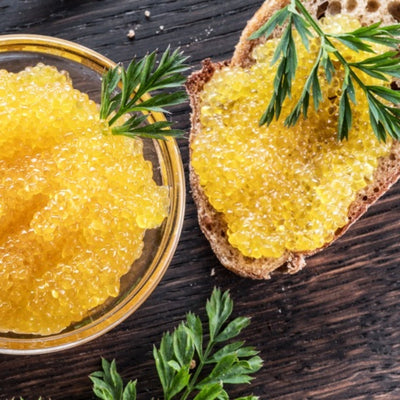
- Color: Yellow to golden brown
- Texture: Small, soft eggs
- Flavor: Mild, slightly smoky
- Best Used For: Scandinavian dishes, seafood platters, spreads
👉 Budget-Friendly Alternative: Herring caviar is often used in Nordic cuisine and is one of the most affordable types of roe. It pairs well with smoked fish, sour cream, and rye bread.
💰 Price: $ (Budget-Friendly)
🔗 Shop Herring Caviar:
Best Caviar for Sushi & Fine Dining: Which Should You Choose?
| Caviar Type | Color | Texture | Flavor | Best For | Price |
|---|---|---|---|---|---|
| Sturgeon Caviar | Black to Gold | Soft, delicate | Buttery, nutty | Fine dining, luxury dishes | $$$$$ (High) |
| Red Salmon Caviar | Bright Red | Large, soft | Mild, slightly sweet | Sushi, seafood platters | $$ (Mid) |
| Trout Caviar | Golden Orange | Firm, smaller | Bold, briny | Sushi, sauces, pasta | $$ (Mid) |
| Tobiko Caviar | Red, Black, Green | Small, crunchy | Mild, slightly sweet | Sushi, garnishes | $ (Low) |
| Herring Caviar | Yellow/Golden | Small, soft | Mild, slightly smoky | Nordic cuisine, spreads | $ (Budget) |
FAQs About Caviar & Fish Roe
1. Which caviar is best for sushi?
- Salmon Caviar (Ikura) and Tobiko are the most popular for sushi.
- Trout Caviar offers a stronger, brinier alternative.
2. What is the most expensive caviar?
- Beluga Caviar is the most expensive, often costing thousands per ounce.
3. Is red caviar healthier than black caviar?
- Both are rich in omega-3s, but red salmon caviar has higher protein content.
4. Can I freeze caviar?
- Yes, but it slightly alters the texture. Sturgeon caviar is best enjoyed fresh.
5. Where can I buy high-quality caviar?
- Check out Global Seafoods for premium caviar options.
🔗 Explore & Buy Caviar:
Conclusion: Elevate Your Dishes with the Best Caviar
Whether you prefer luxurious sturgeon caviar, bold salmon roe, or crunchy tobiko, there's a perfect type of caviar for every dish. Now that you know the differences in taste, texture, and price, it's time to indulge in the finest seafood experience.
🎣 Order Your Premium Caviar Today & Enjoy a Taste of Luxury! 🥂
Also in News

Halibut Nutrition Facts: Everything You Need to Know

Crab vs. Lobster: Which is Healthier?

The Health Benefits of Ikura: What You Need to Know
Shop Now
Main
