
The Lingcod Craze: Why This Fish Should Be Your Next Seafood Adventure

How to Catch Lingcod: The Complete Recreational Fishing Guide for Pacific Coast Anglers
Lingcod (Ophiodon elongatus) is one of the most sought-after sport fish on the Pacific Coast -- aggressive, hard-fighting, and excellent table fare. They are ambush predators that strike hard and fast, making them exciting to catch on both conventional and fly tackle. They are also abundant enough that a skilled angler can reliably catch limits from shore, from a kayak, or from a boat. This guide covers the complete recreational lingcod fishing workflow: the biology that drives their behavior and location, the regulations you need to know before you go, the gear and rigs that produce the most consistent results, the best locations and seasons on the Pacific Coast, and what to do with your catch once you have it.
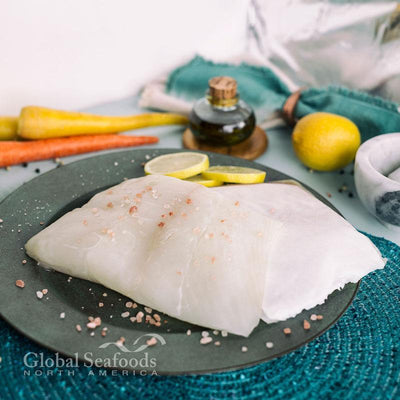
Lingcod Fillets at Global Seafoods | All Whitefish
Lingcod Biology: Understanding the Fish You're Targeting
Effective lingcod fishing requires understanding how lingcod behave and why: (1) Ambush predators: lingcod do not actively chase prey over long distances; they lie motionless on the seafloor or on rocky structure and strike at prey that passes within range; this means you need to get your bait or lure directly in front of them -- a presentation that passes 10 feet above a lingcod will rarely produce a strike; (2) Habitat: lingcod are almost exclusively associated with rocky reef structure -- rocky points, pinnacles, kelp beds over rocky substrate, and rocky seafloor; they are rarely found over sand or mud bottom; if you are not fishing over rock, you are almost certainly not fishing where lingcod are; (3) Depth: lingcod are found from the intertidal zone (shore fishing) to approximately 300 feet (90 meters); the most productive recreational fishing depths are typically 30-150 feet (9-45 meters); (4) Aggression: lingcod are extremely aggressive and territorial; they will strike lures and baits that are significantly larger than what most anglers would expect; a 5-pound lingcod will readily strike a 12-inch swimbait; (5) Nesting behavior: male lingcod guard egg masses from December through March; during this period, males are extremely aggressive and will strike almost anything that approaches the nest; this makes winter the most productive season for shore-based lingcod fishing in many areas, but regulations often restrict or close the fishery during the nesting period to protect spawning fish.
Regulations: What You Need to Know Before You Go
Lingcod regulations vary significantly by state and by zone within each state; they change annually. Always verify current regulations with the relevant state agency before fishing: (1) California: California Department of Fish and Wildlife (CDFW) -- wildlife.ca.gov; lingcod season in California is typically open April through December in most zones (closed January-March to protect spawning); minimum size limit is 22 inches total length; bag limit is 2 fish per day; regulations vary by zone (Northern California, Central California, Southern California) -- check the specific zone you plan to fish; (2) Oregon: Oregon Department of Fish and Wildlife (ODFW) -- dfw.state.or.us; lingcod season is typically open year-round in some areas and restricted in others; minimum size limit is 22 inches; bag limit is 2 fish per day; (3) Washington: Washington Department of Fish and Wildlife (WDFW) -- wdfw.wa.gov; regulations vary significantly by area (Puget Sound vs. coastal waters); minimum size limit is typically 26 inches in Puget Sound and 22 inches on the coast; bag limit is 2 fish per day in most areas; (4) Alaska: Alaska Department of Fish and Game (ADF&G) -- adfg.alaska.gov; lingcod regulations vary by area; generally more liberal than the lower 48 states; (5) Federal waters (beyond 3 miles): when fishing in federal waters (beyond 3 nautical miles from shore), federal regulations set by the Pacific Fishery Management Council apply; these are generally consistent with state regulations but verify before fishing offshore.
Gear and Rigs: What Actually Catches Lingcod
Rod and Reel
- Boat fishing: a medium-heavy to heavy conventional or spinning rod, 6-7 feet, rated for 40-80 lb braid; a conventional reel (level-wind) or large spinning reel with 50-65 lb braided line; braid is essential for bottom fishing -- monofilament has too much stretch to feel the bottom and detect strikes at depth
- Shore and kayak fishing: a medium-heavy spinning rod, 7-9 feet, rated for 20-40 lb braid; a mid-size spinning reel with 30-50 lb braided line; longer rods allow longer casts from shore
- Leader: 2-4 feet of 40-80 lb fluorocarbon leader; fluorocarbon is nearly invisible underwater and abrasion-resistant against rocky structure; lingcod have sharp teeth and rough gill plates that can cut lighter leaders
Terminal Tackle and Rigs
- Dropper loop rig (most versatile): tie a dropper loop 12-18 inches above a heavy sinker (2-8 oz depending on depth and current); attach a 6-10 inch fluorocarbon leader to the dropper loop; attach a large hook (5/0-8/0 circle hook or octopus hook) to the leader; bait with a whole squid, large strip of fish, or live rockfish; this rig keeps the bait just off the bottom where lingcod are holding
- Jig fishing (most exciting): large metal jigs (3-8 oz) or large soft plastic swimbaits (6-12 inches) on a heavy jig head (1-3 oz); drop to the bottom and work with a slow lift-and-drop retrieve; lingcod strike on the drop; the strike is typically a sharp thump followed by heavy resistance; set the hook immediately with a firm upward sweep
- Live bait: live rockfish (where legal), live herring, or live squid are the most effective lingcod baits; a live rockfish suspended 1-2 feet off the bottom on a large circle hook is extremely effective; check local regulations -- using live rockfish as bait is restricted in some areas
- Swimbaits: large paddle-tail swimbaits (6-12 inches) in white, chartreuse, or natural colors on a 1-3 oz jig head; work slowly along the bottom; lingcod will follow a swimbait for considerable distances before striking -- do not stop the retrieve when you see a fish following
Sinker Weight
Use the minimum sinker weight needed to maintain bottom contact in the current; too light and the rig drifts off the bottom (away from the fish); too heavy and you lose sensitivity; in typical nearshore conditions (30-100 feet, moderate current), 2-4 oz is usually sufficient; in deeper water or strong current, 6-8 oz or more may be needed.
Best Locations and Seasons
Northern California (Bodega Bay to Crescent City)
Some of the most productive lingcod fishing on the Pacific Coast; rocky reefs and pinnacles from Bodega Bay north hold large populations of lingcod; the Farallon Islands (accessible by charter boat from San Francisco) are renowned for large lingcod; season typically April-December; peak months are April-June (post-spawn fish are aggressive and feeding heavily) and September-November (fish are feeding heavily before winter).
Oregon Coast
Excellent lingcod fishing from Brookings to Astoria; rocky reefs off the major ports (Brookings, Gold Beach, Coos Bay, Newport, Depoe Bay, Tillamook) hold good populations; charter boats operate from most ports; season varies by area -- check ODFW regulations; peak months are May-September.
Washington (Puget Sound and Coast)
Puget Sound has a significant lingcod population accessible to shore and kayak anglers; rocky points, ferry terminals, and underwater structure hold fish; the coastal waters off Westport and Neah Bay are also productive; regulations in Puget Sound are more restrictive than coastal waters (26-inch minimum size limit in most Puget Sound areas); peak months are May-September on the coast; Puget Sound fishing can be productive year-round.
Alaska
Lingcod are abundant throughout Southeast Alaska and the Gulf of Alaska; Kodiak Island, Prince William Sound, and Southeast Alaska (Sitka, Juneau, Ketchikan) all offer excellent lingcod fishing; regulations are generally more liberal than the lower 48 states; lingcod are often caught incidentally while fishing for halibut and rockfish.
From Catch to Table: Cleaning and Storing Lingcod
Cleaning
- Bleed the fish immediately after landing by cutting the gill arches; bleeding improves the flavor and texture of the flesh significantly
- Keep the fish on ice immediately after bleeding; lingcod deteriorate quickly at warm temperatures
- Fillet using a sharp, flexible fillet knife; lingcod have a large, bony head and a relatively simple bone structure; the fillets are thick and yield well
- Remove the skin if desired (lingcod skin is edible and crisps well when pan-seared; remove it for baking or chowder applications)
- Do not be alarmed if the flesh is blue-green -- approximately 20% of lingcod have blue-green flesh caused by the bile pigment biliverdin; the color is harmless and disappears completely when cooked
Storage
- Fresh: refrigerate on ice at 32-38°F (0-3°C); use within 1-2 days
- Frozen: vacuum-seal fillets and freeze at 0°F (-18°C) or below; use within 6-12 months; vacuum-sealed lingcod frozen immediately after cleaning is excellent quality
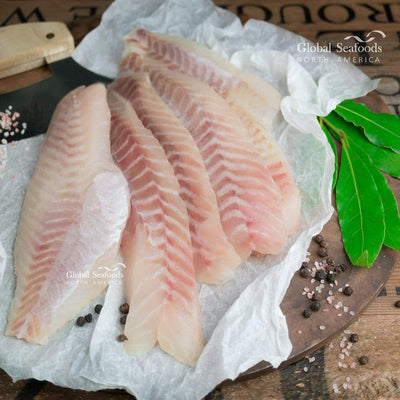
Lingcod Fillets | Pacific Cod Fillets | All Whitefish
Also see: Lingcod: Complete Guide to Biology, Nutrition, and Cooking | Lingcod vs. Pacific Whitefish: How to Choose
Watch seafood preparation videos on the Global Seafoods YouTube Channel
Frequently Asked Questions About Catching Lingcod
What is the best bait for lingcod?
Live bait is the most effective -- live rockfish (where legal), live herring, or live squid suspended 1-2 feet off the bottom on a large circle hook. For artificial lures, large soft plastic swimbaits (6-12 inches) on a heavy jig head and large metal jigs (3-8 oz) are the most consistent producers. The key with any bait or lure is getting it directly in front of the fish -- lingcod are ambush predators that will not chase prey far; the presentation must be within their strike zone (close to the bottom, near rocky structure).
What depth do lingcod live at?
Lingcod are found from the intertidal zone to approximately 300 feet (90 meters). The most productive recreational fishing depths are typically 30-150 feet (9-45 meters). They are almost exclusively associated with rocky reef structure -- rocky points, pinnacles, kelp beds over rocky substrate. If you are not fishing over rock, you are almost certainly not fishing where lingcod are holding.
Why is lingcod season closed in winter in California?
The California lingcod season is typically closed from January through March to protect spawning fish. Male lingcod guard egg masses from December through March; during this period, males are extremely aggressive and easy to catch, which would result in significant harvest of spawning fish if the season were open. Closing the season during the nesting period protects the reproductive success of the population and ensures sustainable harvest in subsequent seasons.
What is the minimum size for lingcod in California?
The minimum size for lingcod in California is 22 inches total length in most zones. Always carry a measuring tape and verify the current regulations at wildlife.ca.gov before fishing -- regulations vary by zone (Northern California, Central California, Southern California) and change annually. The bag limit is 2 lingcod per day in most California zones. Oregon and Washington have similar minimum sizes (22 inches on the coast; 26 inches in Puget Sound for Washington).



Related Products


Also in News

Snail Caviar: How White Escargot Caviar Is Farmed, Harvested and Made

The Dark Years of Pacific Salmon: A 20-Year Outlook for Alaska, Russia, and the Red Caviar Market

King Crab Legs Delivery: Is It Worth It? Exploring the Benefits and Best Options
Shop Now
Main
