
Unlocking Lingcod Secrets: Tips, Recipes, and Facts You Need to Know

How to Buy, Thaw, and Cook Lingcod: The Complete Quality Guide
Most lingcod sold in the US is frozen -- caught on the Pacific Coast, processed, and frozen before reaching consumers. This is not a compromise; properly handled frozen lingcod is often higher quality than "fresh" fish that has been transported for several days at refrigerator temperature. The key word is "properly handled" -- the difference between excellent frozen lingcod and mediocre frozen lingcod comes down to how quickly it was frozen after catch, how it was packaged, and how it was stored and thawed. This guide covers how to evaluate lingcod quality when buying online or at a fish counter, what "flash-frozen at sea" actually means and why it matters, how to thaw frozen lingcod correctly (and the common mistakes that ruin the texture), and two recipes not covered in the companion lingcod articles: miso-glazed lingcod and lingcod en papillote (in parchment).
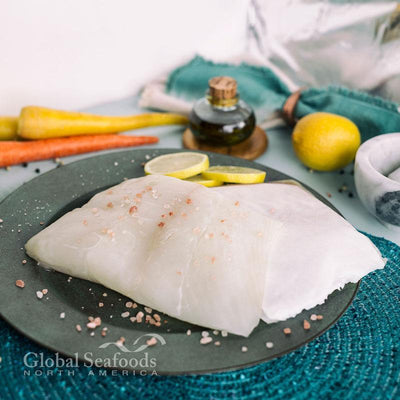
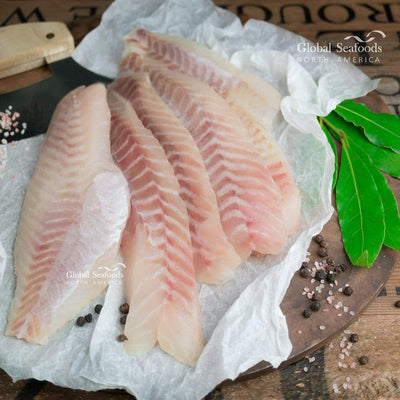
Lingcod Fillets at Global Seafoods | All Whitefish
Fresh vs. Frozen Lingcod: Which Is Actually Better?
The assumption that fresh fish is always superior to frozen is incorrect for most consumers. Here is why: (1) The timeline of "fresh" fish: lingcod caught on the Pacific Coast and sold as "fresh" at a fish counter has typically been out of the water for 3-7 days by the time it reaches the consumer; during this time, enzymatic degradation and bacterial growth progressively reduce quality; a fillet that has been refrigerated for 5 days is significantly lower quality than the same fillet frozen within hours of catch; (2) Flash-frozen at sea: the highest quality frozen lingcod is frozen on the fishing vessel within hours of being caught, using individual quick freezing (IQF) technology that freezes the fish at -40°F (-40°C) or below; at these temperatures, ice crystal formation is minimized (large ice crystals damage cell walls and cause the "mushy" texture associated with poorly frozen fish); the result is a fillet that, when properly thawed, is nearly indistinguishable from fish frozen the same day it was caught; (3) Shore-side processing: some frozen lingcod is processed at shore-side facilities rather than on the vessel; the fish may have been refrigerated for 1-3 days before freezing; this is still typically higher quality than "fresh" fish that has been refrigerated for 5-7 days; (4) The exception: truly fresh lingcod purchased directly from a fishing vessel or at a dockside fish market on the day of catch is superior to any frozen product; if you have access to day-boat fresh lingcod, buy it; for most consumers buying online or at a supermarket, high-quality frozen is the better choice.
How to Evaluate Frozen Lingcod Quality Before Buying
What to Look For on the Label
- "Frozen at sea" or "flash-frozen at sea": the highest quality designation; indicates the fish was frozen on the vessel within hours of catch
- "IQF" (individually quick frozen): indicates the fillets were frozen individually rather than in a block; IQF fillets have better texture and are easier to portion
- Country of origin: US Pacific (Alaska, Washington, Oregon, California) lingcod is subject to rigorous fisheries management; imported lingcod may not meet the same standards
- No added water or phosphates: some processors inject water or sodium tripolyphosphate (STPP) into fish to increase weight; STPP-treated fish releases large amounts of water during cooking, preventing proper searing and producing a steamed rather than seared result; look for "no added water" or "no phosphates" on the label
- Harvest date or "best by" date: frozen fish stored for more than 12 months at 0°F (-18°C) begins to develop freezer burn and off-flavors; fresher is better even for frozen fish
What to Look For in the Package
- No visible ice crystals inside the packaging: ice crystals inside the bag (not on the surface of the fish) indicate the fish has thawed and refrozen at some point during storage or transport; thaw-refreeze cycles significantly degrade quality
- No freezer burn: white, dry, opaque patches on the surface of the fillet indicate freezer burn (dehydration caused by sublimation of ice at the surface); mild freezer burn affects flavor and texture; severe freezer burn makes the fish unpalatable
- Vacuum-sealed packaging: vacuum sealing removes oxygen from the package, preventing oxidation and freezer burn; vacuum-sealed lingcod maintains quality significantly longer than fish in non-vacuum packaging
- Uniform color: the flesh should be uniformly white or blue-green (both are normal for lingcod); yellowing or browning indicates oxidation and age
How to Thaw Frozen Lingcod Correctly
Improper thawing is the most common cause of poor texture in frozen fish. The correct method depends on how much time you have: (1) Best method -- overnight refrigerator thaw: place the vacuum-sealed package in the refrigerator 12-24 hours before cooking; the fish thaws slowly and evenly at a safe temperature (below 40°F / 4°C); this method produces the best texture and is the safest; (2) Fast method -- cold water thaw: place the vacuum-sealed package in a bowl of cold (not warm) water; change the water every 30 minutes; a 6-8 oz fillet will thaw in approximately 30-45 minutes; do not use warm or hot water -- warm water begins to cook the outer layer of the fish while the center is still frozen, producing uneven texture; (3) Never thaw at room temperature: thawing at room temperature allows the outer surface of the fish to reach temperatures above 40°F (4°C) while the center is still frozen; this creates conditions for bacterial growth and produces uneven texture; (4) Never thaw in the microwave: microwave thawing partially cooks the fish and produces a rubbery, uneven texture; (5) Pat completely dry after thawing: thawed fish releases moisture; pat the fillets completely dry with paper towels before cooking; surface moisture is the primary cause of poor searing -- a wet fillet will steam rather than sear regardless of how hot the pan is.
Two Lingcod Recipes: Miso-Glazed and En Papillote
1. Miso-Glazed Lingcod
Serves: 4 | Total time: 20 minutes active + 2-24 hours marinating
This preparation is typically associated with sablefish (black cod) -- the Nobu miso black cod is one of the most famous restaurant dishes in the world. Lingcod is leaner than sablefish and produces a slightly different result (less rich, more delicate), but the miso glaze works beautifully with lingcod's mild, clean flavor. The key difference from the sablefish version: because lingcod is lean, it can dry out under the broiler if overcooked; watch it carefully and pull it the moment the glaze is caramelized.
Ingredients:
- 4 lingcod fillets (6-8 oz / 170-225g each), skin off
- 3 tbsp white miso (shiro miso) -- white miso is milder and sweeter than red miso; do not substitute red miso
- 2 tbsp mirin (Japanese sweet rice wine)
- 2 tbsp sake (or dry sherry)
- 1 tbsp sugar
- 1 tsp soy sauce
- Thinly sliced scallions and sesame seeds for garnish
- Steamed rice and pickled ginger for serving
Instructions:
- Make the marinade: combine miso, mirin, sake, sugar, and soy sauce in a small saucepan over medium heat; stir until the sugar dissolves and the mixture is smooth (approximately 2 minutes); do not boil; remove from heat and cool completely
- Pat the fillets completely dry; coat both sides generously with the cooled miso marinade; place in a zip-lock bag or covered container; refrigerate for at least 2 hours and up to 24 hours (longer marinating produces a deeper, more complex flavor)
- When ready to cook: preheat the broiler to high; line a baking sheet with foil and lightly oil it
- Remove the fillets from the marinade; wipe off the excess marinade with your fingers (leaving a thin coating -- excess marinade burns under the broiler before the fish is cooked through)
- Broil 4-6 inches from the heat source for 6-8 minutes until the glaze is deeply caramelized and the fish is just cooked through (145°F / 63°C); watch carefully -- the miso glaze can go from caramelized to burned in under a minute; do not flip
- Garnish with scallions and sesame seeds; serve with steamed rice and pickled ginger
Technique note: white miso (shiro miso) is essential for this recipe -- it is milder, sweeter, and less salty than red or mixed miso; red miso produces an overpowering, bitter result. Wiping off excess marinade before broiling is critical -- the sugar in the miso glaze burns very quickly under high heat.
2. Lingcod en Papillote (in Parchment)
Serves: 4 | Total time: 30 minutes
En papillote (French for "in parchment") is a technique where fish and aromatics are sealed in a parchment paper packet and baked; the fish steams in its own juices and the juices of the aromatics, producing an intensely flavored, perfectly moist result. It is one of the most foolproof methods for cooking lean fish like lingcod -- the sealed packet prevents the fish from drying out, making it nearly impossible to overcook. It is also a zero-cleanup method: each person opens their own packet at the table.
Ingredients (per packet -- make 4):
- 1 lingcod fillet (6-8 oz / 170-225g), skin off
- 4-5 thin slices of zucchini or fennel
- 4-5 cherry tomatoes, halved
- 2 thin slices of lemon
- 2 sprigs fresh thyme or dill
- 1 tbsp dry white wine
- 1 tbsp olive oil
- 1 small clove garlic, thinly sliced
- Salt and black pepper
Instructions:
- Preheat oven to 400°F (200°C)
- Cut a large piece of parchment paper (approximately 15x15 inches); fold it in half to create a crease; open it flat
- On one half of the parchment, layer the vegetables; place the lingcod fillet on top; season with salt and pepper; top with lemon slices, garlic, and herb sprigs; drizzle with olive oil and white wine
- Fold the other half of the parchment over the fish; starting at one corner, fold and crimp the edges of the parchment in small overlapping folds to create a sealed packet; the packet must be completely sealed to trap the steam
- Place the packets on a baking sheet; bake for 12-15 minutes (the packets will puff up as steam builds inside -- this is correct)
- Serve the packets on plates; open at the table (carefully -- the steam inside is very hot); the juices in the packet are the sauce
Technique note: the packet must be completely sealed; any gaps allow steam to escape and the fish will dry out; if you are not confident in your crimping, use a second piece of parchment and fold the edges twice. Foil can be substituted for parchment and is easier to seal, but parchment is traditional and looks more elegant at the table.
Lingcod Fillets | Pacific Cod Fillets | Alaskan Pollock Fillets | All Whitefish
Also see: Lingcod: Complete Guide to Biology, Nutrition, and Cooking | Lingcod vs. Pacific Whitefish: How to Choose | How to Catch Lingcod: The Complete Fishing Guide
Watch seafood preparation videos on the Global Seafoods YouTube Channel
Frequently Asked Questions About Buying and Cooking Lingcod
Is frozen lingcod as good as fresh?
High-quality frozen lingcod (flash-frozen at sea within hours of catch, vacuum-sealed, stored at 0°F / -18°C) is often superior to "fresh" lingcod that has been refrigerated for 5-7 days during transport and distribution. The key factors are how quickly the fish was frozen after catch, how it was packaged (vacuum-sealed vs. non-vacuum), and whether it has been stored correctly. Look for "frozen at sea," "IQF," "no added water," and vacuum-sealed packaging. Avoid packages with visible ice crystals inside the bag (indicates thaw-refreeze) or freezer burn (white, dry patches on the surface).
What does STPP (sodium tripolyphosphate) do to fish and how do I avoid it?
Sodium tripolyphosphate (STPP) is a chemical additive injected into some frozen fish to increase water retention (and therefore weight). STPP-treated fish releases large amounts of water during cooking, preventing proper searing -- the water steams the fish rather than allowing it to sear, producing a pale, steamed result regardless of how hot the pan is. To avoid STPP-treated fish, look for "no added water," "no phosphates," or "no additives" on the label. If the label does not specify, check the ingredient list -- sodium tripolyphosphate or "phosphates" in the ingredient list indicates treatment.
What is the best way to thaw frozen lingcod?
The best method is an overnight refrigerator thaw -- place the vacuum-sealed package in the refrigerator 12-24 hours before cooking; the fish thaws slowly and evenly at a safe temperature. For a faster thaw, place the sealed package in a bowl of cold (not warm) water, changing the water every 30 minutes; a 6-8 oz fillet thaws in approximately 30-45 minutes. Never thaw at room temperature (bacterial growth risk and uneven texture) or in the microwave (partially cooks the fish and produces rubbery texture). After thawing, pat the fillets completely dry with paper towels before cooking -- surface moisture prevents proper searing.
Can I use lingcod for miso-glazed fish instead of sablefish?
Yes -- miso-glazed lingcod is excellent, though the result is different from the classic miso sablefish (black cod). Sablefish has very high fat content (15-18g per 3-oz serving) that produces a rich, silky, almost custard-like texture under the miso glaze; lingcod is lean (1.2g fat per 3-oz serving) and produces a firmer, more delicate result. The miso glaze works beautifully with lingcod's mild, clean flavor. The key difference in technique: because lingcod is lean, it can dry out under the broiler if overcooked; watch it carefully and pull it the moment the glaze is caramelized (6-8 minutes). Lingcod is also considerably less expensive than sablefish, making it an excellent everyday alternative.


Related Products


Also in News

Snail Caviar: How White Escargot Caviar Is Farmed, Harvested and Made

The Dark Years of Pacific Salmon: A 20-Year Outlook for Alaska, Russia, and the Red Caviar Market

King Crab Legs Delivery: Is It Worth It? Exploring the Benefits and Best Options
Shop Now
Main
