
Discover the Flavor and Elegance of Salmon Caviar – The Ultimate Guide

Salmon Caviar: Flavor, Varieties, and Culinary Guide
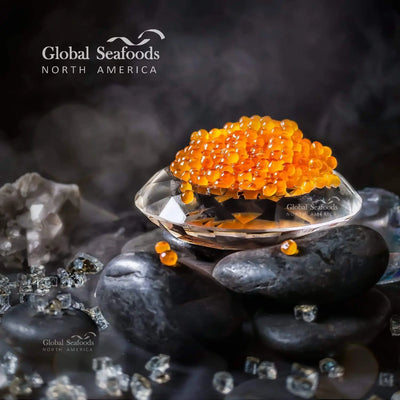
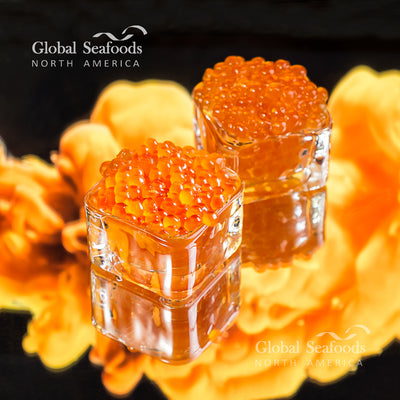
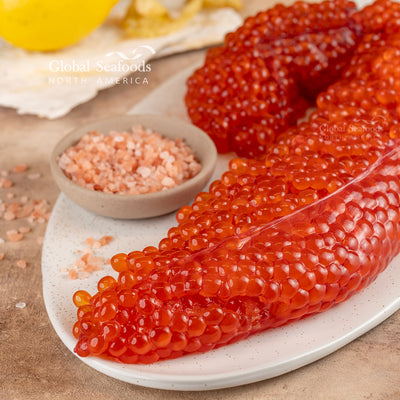
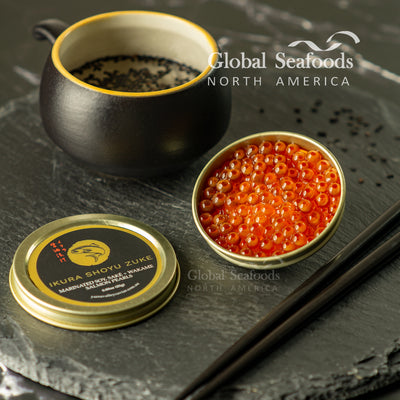
Salmon caviar (ikura) is the salt-cured roe of Pacific salmon species, producing beads of 3–7mm depending on the species, with a vivid orange-to-red color, a firm membrane that pops when bitten, and a flavor profile built on oceanic brininess, natural sweetness, and varying degrees of richness by species. This guide covers the five commercially available Pacific salmon roe types, how to evaluate quality, their nutritional profile with accurate sourcing, and how to serve and store them correctly.
Types of salmon caviar: species comparison
- Chum/Keta Salmon Caviar (4–5mm) — Firmest membrane of the common Pacific salmon species; clean, balanced flavor; mild brininess with natural sweetness. Most widely produced Pacific salmon ikura. Harvest: July–November.
- Coho/Silver Salmon Caviar (4–5mm) — Assertive, bold-briny flavor with a rich finish and pronounced natural sweetness. More complex than Pink or Keta. Late-run (October–November) produces the richest roe of the season. Note: Coho is not “buttery” — that descriptor belongs to King/Chinook ikura.
- Pink Salmon Caviar (3–4mm) — Mildest flavor of the Pacific salmon species; thinner membrane; vivid bright orange-red color. Best for first-time tasters or dishes where a subtler roe flavor is preferred.
- Trout Caviar (3–4mm) — Farmed, year-round availability. Milder with a slightly nutty character; lighter color. Consistent quality from controlled farming; accessible price point.
- Golden Pearls Brook Trout Caviar — Rare golden-to-pale yellow color; subtle flavor with a mild nutty undertone. Specialty presentation item for high-end plating.
Also: Rainbow Trout Pearls • Full Red Caviar Collection.
Salmon caviar vs. sturgeon caviar
The comparison comes up frequently. Key differences:
- Bead size: Salmon roe 3–7mm; sturgeon caviar 2–3mm (Osetra) or smaller (Sevruga, Beluga is larger at 3–4mm).
- Color: Salmon roe is vivid orange-to-red; sturgeon caviar is typically dark grey to black.
- Flavor: Salmon roe is bold and briny with pronounced natural sweetness; sturgeon caviar is more subtle, mineral, and “buttery” in the classic sense — the buttery descriptor comes from sturgeon, not salmon.
- Price: Salmon roe is significantly more affordable than premium sturgeon caviar (Osetra, Beluga).
- Sustainability: Wild Pacific salmon are well-managed under US and Canadian fishery frameworks; wild sturgeon populations (Beluga in particular) face conservation concerns. Farmed sturgeon caviar is available as a sustainable alternative.
Nutritional profile
Omega-3 fatty acids (EPA + DHA): ~700–1,100mg per oz. Primary documented cardiovascular benefit: reducing triglycerides. Also: blood pressure support, anti-inflammatory properties. Not LDL reduction (that is statins). Source: NIH ODS: Omega-3 Fatty Acids.
Protein: ~6g per oz; complete protein with all essential amino acids.
Vitamin B12: ~3–5mcg per oz (well above the 2.4mcg RDA). Vitamin D: ~50–80 IU per oz. Selenium: ~8–12mcg per oz. Vitamin A: small amounts from retinol in the lipid fraction.
Astaxanthin: The carotenoid responsible for the orange-red color in salmon roe — deposited from the mother’s diet during vitellogenesis. Functions as both a natural colorant and a potent biological antioxidant in salmon tissue. The antioxidant and pigmentation functions are well-established. Source: PubMed: Astaxanthin chemistry and applications.
Mercury: All Pacific salmon are FDA “Best Choices” — lowest mercury tier; safe for frequent consumption. Source: FDA Advice About Eating Fish.
How to serve salmon caviar
Utensils: Mother-of-pearl, bone, or food-grade plastic only at every stage — from jar to serving vessel to garnish. No metal: metal reacts with brine within seconds, imparting metallic off-flavor.
Temperature: Serve straight from 28–32°F; nest serving vessel in crushed ice for table service lasting more than a few minutes.
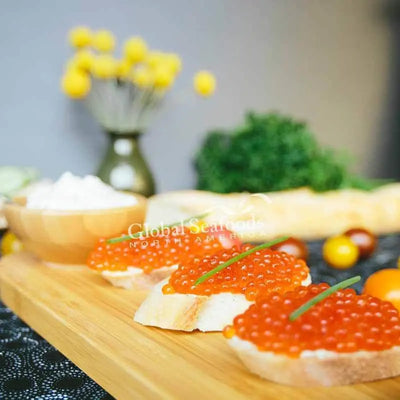
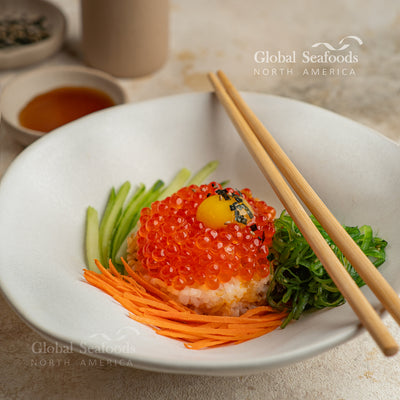
Classic: Blinis with crème fraîche. Toast points with unsalted butter. Ikura Don (over warm sushi rice). Nigiri (placed at the last moment before serving).
Modern: Caviar butter (fold into softened unsalted butter with dill; spread on crackers or grilled bread). Avocado toast topping. Deviled eggs (garnish after fully cooling). Poke bowl garnish.
Pasta (off-heat only): Fold into warm pasta strictly after removing the pan from the burner. The egg membrane ruptures at approximately 140°F — adding roe to a hot pan destroys the pop and degrades the flavor. Fold in as the absolute last step before plating.
Drinks: Blanc de Blancs Champagne (fine acidity and bubbles; the standard fine-dining pairing). Chilled vodka (traditional Eastern European pairing). Dry sake (mineral, umami character pairs with salmon roe specifically).
Selection and storage
Quality indicators: Clear brine (cloudiness = broken eggs or inadequate cleaning). Vivid saturated orange-red with high gloss (dull/pale = wrong maturity at harvest or cold chain failure). Purely oceanic smell (no ammonia, no oxidized-fish note). Clean pop when tasted (no pop = thaw-refreeze damage or late-season roe; metallic/bitter = residual blood).
Temperature: Keep at 28–32°F continuously. Back of the bottom refrigerator shelf is the coldest, most stable zone.
After opening: Consume within 3–4 days. Press plastic wrap directly onto the roe surface before resealing to minimize air contact. Return to refrigerator immediately after each use.
Freezing: Only before opening, and only per the specific product label guidance. Some commercially sealed products can be frozen up to 2 months before opening; check the label. Do not freeze after opening — ice crystals rupture egg membranes on thawing, producing mushy, broken roe.
Sustainability: Wild-caught Pacific salmon from US/Canadian fisheries. All US wild Pacific salmon are FDA “Best Choices” and NOAA-assessed as not overfished. Alaska salmon are managed under a constitutional mandate for sustained yield. Source: NOAA FishWatch.
Videos: Global Seafoods YouTube Channel.
Related Products


Also in News

Snail Caviar: How White Escargot Caviar Is Farmed, Harvested and Made

The Dark Years of Pacific Salmon: A 20-Year Outlook for Alaska, Russia, and the Red Caviar Market

King Crab Legs Delivery: Is It Worth It? Exploring the Benefits and Best Options
Shop Now
Main
