
🔴 Red Caviar Price – How Much Does It Cost & Where to Buy the Best?

🔴 Red Caviar Price – How Much Does It Cost & Where to Buy the Best?
Red Caviar Price – Everything You Need to Know Before Buying
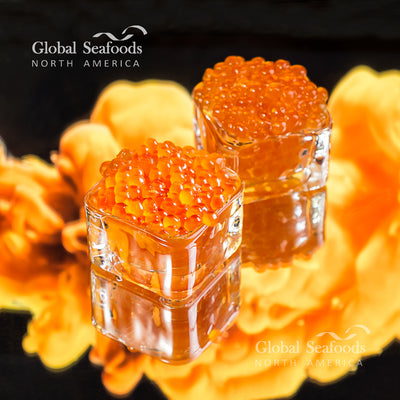
Red caviar, also known as salmon roe, is a popular and affordable alternative to traditional sturgeon caviar. It’s widely enjoyed in Japanese, Russian, and European cuisines, offering a burst of flavor, rich color, and a more accessible price point.
In this guide, we’ll break down the key elements that affect red caviar price, what to look for when purchasing, and how to get the best quality for your budget.
Factors That Affect Red Caviar Price
1. Type of Red Caviar – The Most Important Factor
Not all red caviar is the same! Different fish produce roe with unique flavors, sizes, and prices.
- Chum Salmon Caviar – Large, vibrant orange eggs with a mild, slightly salty taste. Priced at $175.00 for 2.2 lbs (1 kg).
- Coho Salmon Caviar – Smaller, firmer eggs with a rich, briny flavor. Available at $155.00 for 2 x 1.1 lbs trays.
- Trout Caviar – Buttery and mild, perfect for gourmet dishes. Offered at $85.00 for 1.1 lbs.
- Pink Salmon Caviar – More affordable, with a delicate, fresh flavor. Currently sold out; previously listed at $160.00.
2. Origin – Where the Caviar Comes From
The country of origin plays a significant role in red caviar pricing.
- Alaskan Salmon Roe – Considered the best quality, often priced at a premium due to sustainable harvesting.
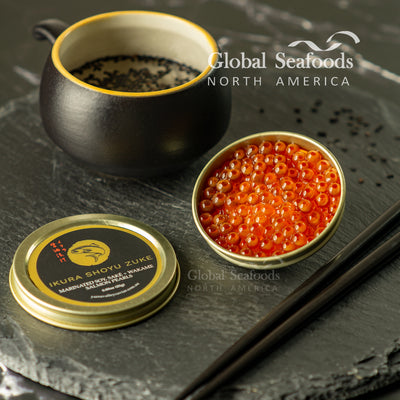
- Russian & Japanese Ikura – Known for high-quality eggs, with a rich, briny flavor.
- European & American Trout Caviar – More affordable alternatives, often farm-raised & sustainably sourced.
3. Processing & Salt Content
- Lightly salted red caviar (Malossol) is more expensive but preferred for its delicate flavor.
- Pasteurized red caviar lasts longer but may have a slightly firmer texture.
- Heavily salted red caviar is cheaper but has a stronger, saltier taste.
How Much Should You Pay for Red Caviar?
The cost of red caviar varies, but here’s a general pricing guide:
| Type of Red Caviar | Price Per Pound |
|---|---|
| Chum Salmon Caviar | $79.55 per pound |
| Coho Salmon Caviar | $70.45 per pound |
| Trout Caviar | $77.27 per pound |
| Pink Salmon Caviar | $72.73 per pound |
Prices are approximate and based on available data from Global Seafoods.
How to Serve & Enjoy Red Caviar Like a Pro
- Serve on blinis, toast points, or sushi rolls.
- Pair with sour cream, crème fraîche, or fresh dill.
- Use a non-metal spoon (to preserve the delicate taste).
- Enjoy with chilled vodka or sparkling wine for a luxurious experience.
FAQs – Everything You Need to Know About Red Caviar
Q1: Is red caviar healthy? Yes! Red caviar is rich in omega-3s, protein, and essential vitamins. However, it contains high sodium, so enjoy in moderation.
Q2: How should I store red caviar? Keep it refrigerated at 28-32°F. Once opened, consume within 3-5 days.
Q3: Can I freeze red caviar? Yes, but freezing may slightly alter the texture. Best enjoyed fresh!
Q4: Where can I buy high-quality red caviar? Global Seafoods offers premium red caviar selections at competitive prices.
Buy Premium Red Caviar & Enjoy Luxury at Home!
Whether you're looking for affordable salmon roe or top-tier Alaskan Ikura, knowing what affects red caviar prices helps you make an informed purchase.
Shop premium red caviar here:
- Red Caviar Collection
- Salmon Caviar Collection
- Chum Salmon Caviar
- Coho Salmon Caviar
- Trout Red Caviar
- Pink Salmon Caviar
Want expert seafood tips? Subscribe to the Global Seafoods YouTube Channel!
Upgrade your dining experience with the finest red caviar today!

Also in News

Halibut Nutrition Facts: Everything You Need to Know

Crab vs. Lobster: Which is Healthier?

The Health Benefits of Ikura: What You Need to Know
Shop Now
Main
