
Discover Fascinating Facts About Ikura Sushi: A Comprehensive Guide

Ikura Sushi: The Essential Facts -- History, Nutrition, Curing, Species, and How to Eat It
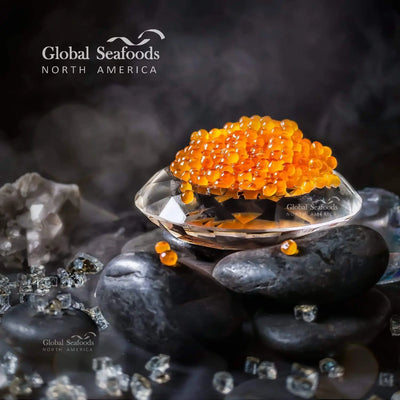
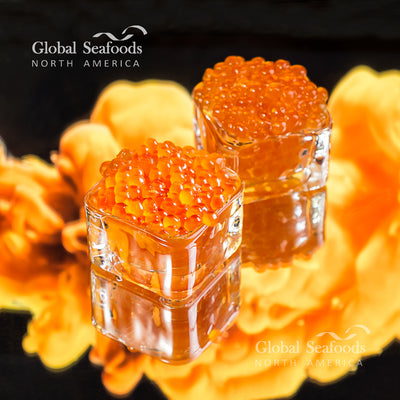
Ikura (salmon roe) is one of the most distinctive ingredients in Japanese cuisine -- instantly recognizable by its vibrant orange-red color, its satisfying pop, and its intensely briny, umami-rich flavor. This guide covers the essential facts about ikura: where the word comes from and how it entered Japanese cuisine, the nutritional profile with specific numbers, how the curing process works and what it does to the flavor, the differences between species, and the correct way to eat and serve it. Each section links to the more detailed guides in this series for readers who want to go deeper.
Salmon Roe (Ikura) at Global Seafoods
Fact 1: The Word "Ikura" Is a Russian Loanword
The Japanese word ikura (イクラ) is a loanword from the Russian word "ikra" (икра), which means fish roe or caviar in Russian. The word entered the Japanese language during the Meiji era (1868-1912), when Japan had significant trade and diplomatic contact with Russia. Russian traders and diplomats introduced salt-cured salmon roe to Japan through the northern trade routes, particularly through Hokkaido (Japan's northernmost island), which is geographically close to the Russian Far East and has been a center of salmon fishing for centuries.
The adoption of the Russian word reflects the Russian origin of the curing technique: the Japanese salt-curing method for salmon roe (shiozuke) is closely related to the Russian method for preparing krasnaya ikra (red caviar). Over time, Japanese chefs developed their own variations, including the shoyu-zuke (soy sauce-cured) method that is now the most common preparation in Japanese sushi restaurants. See the complete guide to salmon roe traditions in Japan, Russia, Scandinavia, and the Pacific Northwest for the full cultural history.
Fact 2: Ikura Is One of the Most Nutritionally Dense Foods Available
Per 100g: approximately 250 kcal; 29g complete protein (all nine essential amino acids); 14g fat (predominantly omega-3 fatty acids EPA and DHA); 4g carbohydrates; approximately 1,500mg sodium. A typical serving (1-2 oz / 28-56g) provides approximately 8-16g protein, 4-8g fat, and 420-840mg sodium.
Key micronutrients: omega-3 fatty acids (EPA and DHA) -- one of the richest dietary sources; vitamin B12 -- a small serving provides several times the recommended daily intake; vitamin D -- one of the few dietary sources; selenium -- a powerful antioxidant; choline -- essential for brain development and liver function; astaxanthin -- the carotenoid pigment responsible for the orange-red color; one of the most potent antioxidants found in any food.
The American Heart Association recommends eating fatty fish (a primary dietary source of EPA and DHA) at least twice per week for cardiovascular health. Ikura provides approximately 3.5-4g of EPA+DHA per 100g -- more than most fish. See the complete health benefits guide for the full nutritional analysis and research.
Fact 3: There Are Two Primary Curing Methods, and They Produce Different Flavors
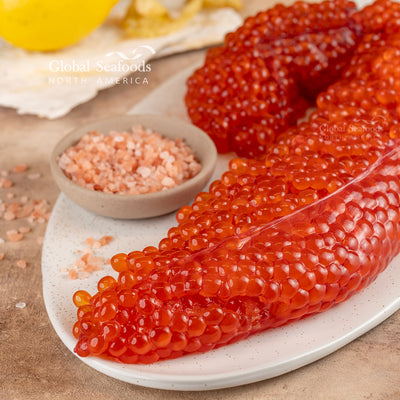
Shiozuke (salt-cured): the roe sacs are gently rinsed and the individual eggs are separated from the membrane; the eggs are then cured in a brine solution (typically 3-5% salt by weight); the salt draws moisture out of the eggs through osmosis, firming the egg membrane and concentrating the flavor; the result is a clean, intensely briny flavor with a firm, popping texture; salt-cured ikura is the most common preparation in Russia (krasnaya ikra) and is also widely used in Japan.
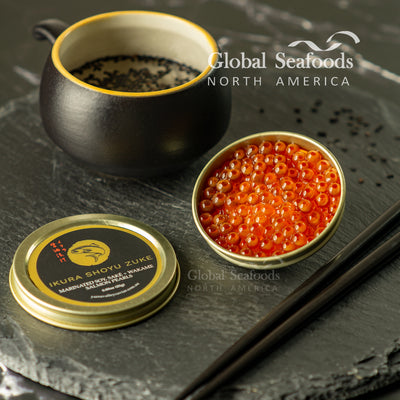
Shoyu-zuke (soy sauce-cured): the salt-cured roe is marinated in a mixture of soy sauce, mirin, and sake; the soy sauce adds umami depth and a slightly sweet, savory complexity; the mirin adds sweetness; the sake adds a subtle fermented note; the result is a more complex, layered flavor than plain salt-cured roe; shoyu-zuke is the most common preparation in Japanese sushi restaurants and is considered the premium preparation for sushi use.
The osmosis science: the curing process works through osmosis -- the movement of water from a region of lower solute concentration (inside the egg) to a region of higher solute concentration (the brine); as water moves out of the egg, the egg membrane firms and the flavor compounds become more concentrated; the salt also denatures some of the surface proteins, which contributes to the characteristic sheen of cured ikura. See the complete buyer's guide for the full curing science and label-reading guide.
Fact 4: Different Salmon Species Produce Distinctly Different Roe
Not all ikura is the same -- the species of salmon determines the size, color, flavor, and texture of the roe:
- Chum salmon (Oncorhynchus keta): the largest eggs (5-7mm diameter); firm texture; mild, clean brininess; the most common species used for ikura in Japanese sushi restaurants; the large size and firm pop make it the benchmark for ikura quality; Chum Salmon Caviar at Global Seafoods
- Sockeye salmon (Oncorhynchus nerka): medium eggs (4-5mm); deep orange-red color from high astaxanthin content; the most intensely flavored ikura -- briny, rich, and complex; the most nutritionally dense species; Salmon Roe Collection
- Coho salmon (Oncorhynchus kisutch): medium eggs (4-5mm); mild, slightly sweet flavor; less intense than sockeye or chum; a good choice for those new to ikura or for preparations where a milder flavor is preferred; Coho Salmon Caviar at Global Seafoods
- Pink salmon (Oncorhynchus gorbuscha): smaller eggs (3-4mm); lighter color; mild, delicate flavor; the most affordable species; Pink Salmon Caviar at Global Seafoods
- Trout roe (rainbow trout, Oncorhynchus mykiss): small eggs (2-3mm); golden-orange color; slightly sweet, less briny flavor; the most delicate of the roe products; excellent for preparations where a subtle flavor is preferred; Trout Red Caviar at Global Seafoods
See the complete ikura buyer's guide for the full species comparison, label-reading guide, and freshness indicators.
Fact 5: Ikura Should Be Eaten in One Bite, and the Sauce Should Be Drizzled, Not Dipped
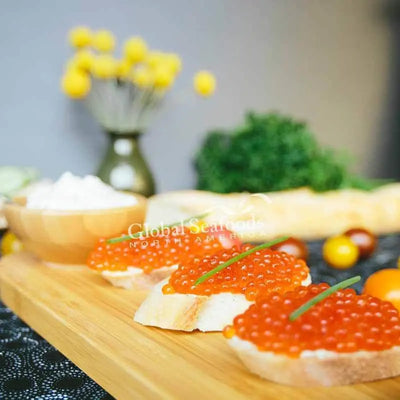
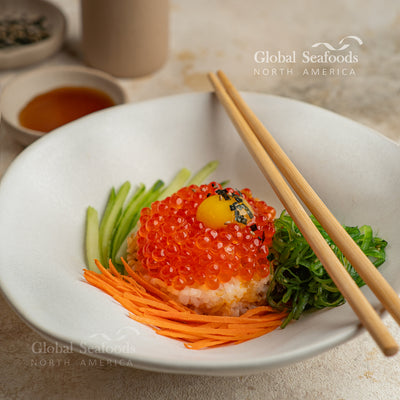
One bite: ikura gunkan-maki is designed to be eaten in a single bite; eating it in multiple bites causes the nori to lose its structural integrity (nori softens within seconds of contact with moisture from the rice and saliva) and the ikura to spill; the single-bite format also ensures that you experience the full combination of flavors simultaneously -- the pop of the roe, the slight sweetness of the rice, the crunch of the nori, and the brininess of the ikura -- rather than in sequence.
Drizzle, not dip: for ikura gunkan-maki, drizzle a few drops of soy sauce directly onto the ikura immediately before eating; do not dip the piece into the soy sauce; dipping submerges the nori in soy sauce, which causes it to soften and the piece to fall apart within 30-60 seconds; the sushi rice also absorbs too much soy sauce and becomes over-salted; a few drops drizzled on the ikura is sufficient -- the roe is already seasoned from the curing process. See the complete sauce guide for five sauce recipes and the full drizzle vs. dip explanation.
Fact 6: Wild Alaskan Salmon Roe Is the Most Sustainably Produced Luxury Seafood
Alaska's salmon fisheries are managed under Article VIII of the Alaska Constitution (1959), which requires the state to manage its fish and wildlife resources on a sustained-yield basis -- a legal requirement, not a voluntary commitment. The escapement-based management system (which requires a minimum number of salmon to return to their spawning grounds before any commercial fishing is permitted) has kept Alaskan salmon populations stable or increasing for over 150 years. Multiple Alaskan salmon fisheries are certified by the Marine Stewardship Council (MSC). Wild Alaskan salmon roe is rated "Best Choice" by the Monterey Bay Aquarium's Seafood Watch program. See the complete sustainability guide for the full explanation of Alaskan fisheries management, MSC certification, and the wild vs. farmed comparison.
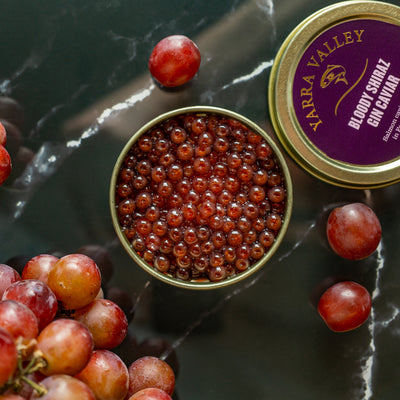
Chum Salmon Caviar | Coho Salmon Caviar | Trout Red Caviar | Bloody Shiraz-Infused Caviar | Golden Pearls Brook Trout Caviar
Complete guides in this series: Buyer's Guide | Storage Guide | Health Benefits | Low-Carb and Keto Guide | Sauce Guide | Sustainability Guide | Global Traditions
Watch seafood preparation videos on the Global Seafoods YouTube Channel
Frequently Asked Questions About Ikura Sushi
Where does ikura come from, and what does the word mean?
The Japanese word ikura (イクラ) is a loanword from the Russian word "ikra" (икра), which means fish roe or caviar in Russian. The word entered the Japanese language during the Meiji era (1868-1912), when Japan had significant trade and diplomatic contact with Russia. Russian traders introduced salt-cured salmon roe to Japan through the northern trade routes, particularly through Hokkaido. Japanese chefs then developed their own curing techniques, including the shoyu-zuke (soy sauce-cured) method that is now the most common preparation in Japanese sushi restaurants.
Is ikura sushi healthy?
Yes -- ikura is one of the most nutritionally dense foods available. Per 100g: approximately 250 kcal; 29g complete protein; 14g fat (predominantly omega-3 fatty acids EPA and DHA); 4g carbohydrates. Key micronutrients: omega-3 fatty acids (3.5-4g EPA+DHA per 100g -- more than most fish); vitamin B12 (several times the recommended daily intake per serving); vitamin D (one of the few dietary sources); selenium; choline; and astaxanthin (one of the most potent antioxidants found in any food). The American Heart Association recommends eating fatty fish at least twice per week for cardiovascular health; ikura counts toward this recommendation.
What is the difference between salt-cured and soy-cured ikura?
Salt-cured ikura (shiozuke): cured in a brine solution (3-5% salt by weight); clean, intensely briny flavor; firm, popping texture; the most common preparation in Russia and also widely used in Japan. Soy sauce-cured ikura (shoyu-zuke): salt-cured roe marinated in soy sauce, mirin, and sake; more complex, layered flavor with umami depth and a slightly sweet, savory note; slightly softer texture; the most common preparation in Japanese sushi restaurants and considered the premium preparation for sushi use. The curing process works through osmosis -- water moves out of the egg into the brine, firming the egg membrane and concentrating the flavor compounds.
What are the best types of salmon roe for sushi?
Chum salmon caviar is the most traditional choice for ikura sushi -- the largest eggs (5-7mm), firm texture, and mild, clean brininess make it the benchmark. Coho salmon caviar offers a milder, slightly sweet flavor and is a good choice for those new to ikura. Sockeye salmon roe is the most intensely flavored and nutritionally dense. Trout red caviar is smaller, sweeter, and more delicate -- excellent for preparations where a subtle flavor is preferred. See the complete buyer's guide for the full species comparison.
Related Products


Also in News

Snail Caviar: How White Escargot Caviar Is Farmed, Harvested and Made

The Dark Years of Pacific Salmon: A 20-Year Outlook for Alaska, Russia, and the Red Caviar Market

King Crab Legs Delivery: Is It Worth It? Exploring the Benefits and Best Options
Shop Now
Main
