
10 Ikura Hacks You Never Knew You Needed: Tips and Tricks to Elevate Your Sushi Game

10 Ikura Hacks: Sushi Game
Ikura, or salmon roe, is one of the most luxurious and visually stunning ingredients used in sushi. Its bright orange color and rich, briny taste can transform a simple dish into a gourmet masterpiece. Whether you're an experienced sushi chef or a home cook looking to refine your skills, mastering the use of ikura can elevate your sushi game to new heights. In this article, we will explore 10 ikura hacks that you never knew you needed—tricks that will not only enhance the flavor and presentation of your sushi but also add a unique flair to your culinary repertóire.
As famed chef Masaharu Morimoto once said, "When you treat every ingredient with respect, the result is art." These hacks will help you respect and showcase ikura in ways that both honor its tradition and push the boundaries of creativity.
1. Selecting the Freshest Ikura for Sushi
The first step to creating standout sushi with ikura is ensuring that you're working with the freshest possible roe. Fresh ikura should have a firm texture and a clean, briny aroma. Avoid ikura that looks dull or has a mushy consistency, as this indicates it's past its prime.
For top-quality ikura, source your roe from reputable suppliers like Global Seafoods, which offers premium varieties such as Chum Salmon Caviar and Coho Salmon Caviar.
2. Enhancing Flavor with Marinades
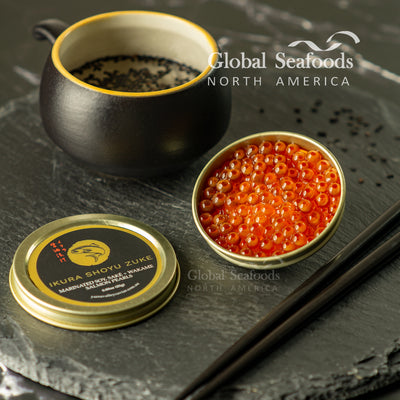
One of the best-kept secrets in sushi preparation is marinating ikura to enhance its natural flavor. While ikura is delicious on its own, soaking it in a simple marinade can bring out even more depth and complexity.
Marinade Recipe:
- 1 tablespoon soy sauce
- 1 teaspoon mirin (sweet rice wine)
- 1 teaspoon sake
- A dash of yuzu juice (optional for a citrus note)
Soak the ikura in this mixture for about 30 minutes before serving. The marinade infuses the roe with a savory, slightly sweet flavor that complements the rich brininess of the ikura.
3. Pairing Ikura with Other Types of Caviar
Why settle for just one type of roe when you can combine ikura with other luxurious varieties of caviar? Mixing salmon roe with different types of fish eggs can add a range of textures and flavors to your sushi.
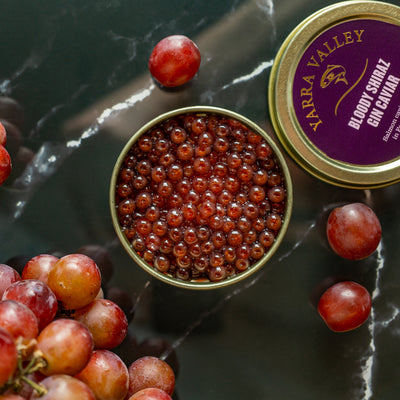
Try pairing ikura with Golden Pearls Brook Trout Caviar or Bloody Shiraz Infused Caviar for a truly gourmet experience.
4. Using Ikura as a Garnish for Sashimi and Nigiri
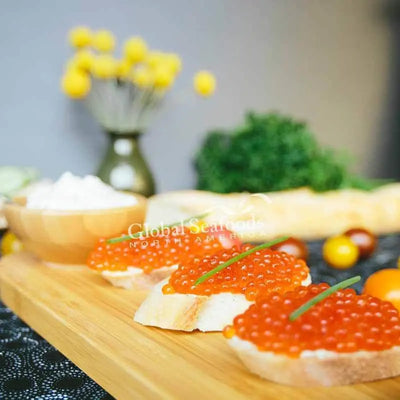
Ikura isn't just limited to traditional sushi rolls—it makes for an exquisite garnish on sashimi or nigiri. Adding a small spoonful of ikura atop thinly sliced fish adds both a burst of color and a complex briny flavor that enhances the seafood's natural sweetness.
Try topping fresh tuna or salmon nigiri with a touch of ikura to create an elegant, visually striking dish. Explore the options at Global Seafoods' Red Caviar Collection.
5. Ikura-Infused Sushi Rice for Extra Flavor
Instead of simply topping your sushi with ikura, try folding the roe directly into the rice itself. Mix a small amount of ikura into your sushi rice right after it's seasoned with rice vinegar. The heat of the rice will gently warm the ikura, releasing its oils and infusing the rice with a subtle seafood flavor that pairs perfectly with sashimi or cooked toppings.
6. Creating Ikura Sushi Towers for Presentation
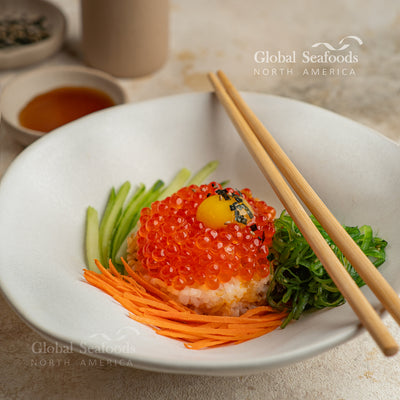
When it comes to sushi, presentation is everything. One fun and visually impressive way to serve ikura is by creating sushi towers—layered constructions featuring sushi rice, avocado, cucumber, and ikura as the crowning touch.
How to Build an Ikura Sushi Tower:
- Press a layer of sushi rice into a ring mold.
- Add a layer of finely chopped avocado or cucumber.
- Top with a generous spoonful of ikura.
- Gently remove the ring mold and garnish with microgreens or sesame seeds.
7. Pairing Ikura with Creamy Elements for Balance
The richness of ikura pairs beautifully with creamy ingredients, creating a balanced dish that highlights both the briny and the mild elements. Try pairing ikura with creamy sauces like miso mayo, avocado, or even crème fraîche.
Spread a layer of cream cheese or avocado on a sushi roll and top it with ikura for a textural contrast that elevates the overall eating experience.
8. Making Ikura Gunkan Maki: A Traditional Sushi Style
Gunkan maki, also known as “battleship sushi,” is a traditional way of serving ikura. It involves wrapping a piece of nori (seaweed) around a mound of rice, creating a small vessel that can hold delicate toppings like ikura.
To make ikura gunkan maki at home:
- Shape small mounds of sushi rice using your hands.
- Wrap a strip of nori around the rice, leaving an open space on top.
- Carefully spoon ikura into the nori vessel until it is full.
- Serve immediately with a side of soy sauce and wasabi.
9. Combining Ikura with Other Seafood for Ultimate Sushi Rolls
While ikura is delicious on its own, pairing it with other seafood can create a sushi roll packed with flavor. Consider combining ikura with fresh tuna, salmon, or shrimp for a more complex roll.
A salmon and ikura roll brings out the best of both worlds: the fatty richness of the salmon and the briny burst of the ikura. Check out Trout Red Caviar at Global Seafoods to experiment with different roe and seafood combinations.
10. Serving Ikura on a Bed of Chilled Soba Noodles
Who says ikura is only for sushi? Serving it on a bed of chilled soba noodles creates a refreshing yet indulgent dish where the cool, earthy noodles contrast beautifully with the salty, rich ikura.
Recipe for Ikura Soba:
- Cook and chill soba noodles according to package instructions.
- Dress the noodles with a light soy sauce and sesame oil mixture.
- Top with a generous amount of ikura, sliced green onions, and sesame seeds.
- Serve chilled with a side of wasabi for extra kick.
FAQs: Using Ikura in Sushi
Q: Can I freeze ikura for later use?
A: Yes, ikura can be frozen for up to three months if properly stored in an airtight container. To maintain its texture, thaw ikura slowly in the refrigerator.
Q: How long does ikura last in the fridge?
A: Fresh ikura should be consumed within 3-4 days when stored in the refrigerator in an airtight container.
Q: Can I use other types of roe for these hacks?
A: Yes! You can experiment with other types of roe, such as Rainbow Trout Pearls or Pink Salmon Caviar.
Q: What is the best way to serve ikura for beginners?
A: Starting with simple sushi like ikura gunkan maki or adding a spoonful of ikura to nigiri is a great way to enjoy its flavor without complicated preparation.
Q: Where can I buy high-quality ikura online?
A: For premium ikura, visit Global Seafoods. They offer sustainably sourced roe including Chum Salmon Caviar and Coho Salmon Caviar.
Q: How do I clean ikura before using it in sushi?
A: Most store-bought ikura comes ready to use, but if needed, simply rinse it under cold water and allow it to drain thoroughly before use.
Conclusion: Master the Art of Sushi with These Ikura Hacks
By incorporating these 10 ikura hacks into your sushi-making routine, you can elevate your dishes and impress your guests with gourmet-level presentations. From marinating ikura to combining it with other types of caviar, there are endless ways to showcase this luxurious ingredient.
For the freshest and most sustainably sourced ikura, check out the selection at Global Seafoods. For more tips and tricks, subscribe to the Global Seafoods YouTube Channel.
Related Products


Also in Recipes

How to Cook Live Manila Clams at Home: Fresh, Sweet & Delivered Overnight
Discover how to store, clean, and cook Live Manila Clams at home using simple chef techniques. Learn why these Pacific clams are perfect for pasta vongole, steaming, chowders, and more—plus how to order them fresh in a convenient 10 lb bag shipped overnight.

Cooked Crab for Brunch: The Ultimate Guide to Morning Seafood
Discover the joy of Steamed crab for brunch! Learn how to prepare seafood in the morning, its health benefits, and recipes to make your brunch memorable.

The Fresh Crab and Sustainable Fishing: Snow Crab’s Role in Responsible Seafood
Explore how snow crab contributes to sustainable fishing. Learn about eco-friendly sourcing, recipes, and the importance of responsible seafood practices.
Shop Now
Main
