
Baked Sablefish Recipe: A Delicious and Healthy Seafood Dish

Baked Sablefish Recipe: A Delicious and Healthy Seafood Dish
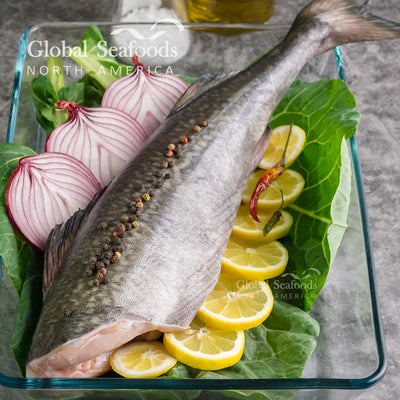
Sablefish (Anoplopoma fimbria), commonly called black cod, is one of the most nutritionally dense and culinarily forgiving fish in the North Pacific. Its exceptionally high fat content — the highest of any commercially fished Pacific species — means it stays moist and flavorful under virtually any cooking method, including baking, where leaner fish often dry out. For a weeknight dinner or a dinner party main, baked sablefish requires minimal effort and delivers a result that reads as genuinely fine dining.
Source premium black cod sablefish and sablefish fillets at Global Seafoods.
Why Sablefish
Sablefish’s fat content is what distinguishes it from every other “white fish” it’s sometimes grouped with. It is not a lean white fish — it is a high-fat fish with white flesh. The fat is distributed throughout the muscle in fine striations, which is what produces the velvety, almost buttery texture it’s famous for. This also makes it exceptionally rich in omega-3 fatty acids: approximately 1,500–2,000mg EPA+DHA per 3 oz (85g) serving, which is comparable to salmon and significantly higher than halibut, cod, or most other white-fleshed fish. Alaskan sablefish is sustainably harvested under MSC-certified management with strict catch limits.
Ingredients (Serves 4)
- 4 sablefish fillets, approximately 6 oz (170g) each
- 2 tbsp olive oil
- 1 tbsp fresh lemon juice
- 2 cloves garlic, minced
- 1 tsp fresh thyme leaves (or a mix of thyme, parsley, and dill)
- Salt and freshly ground black pepper
- Lemon slices for garnish
Optional marinade variations: Miso + mirin + sake (Japanese preparation — the classic Nobu-style black cod); soy sauce + ginger + sesame oil (Asian-inspired); brown butter + capers + lemon (beurre noisette finish).
Step-by-Step Instructions
Step 1: Preparation
Preheat the oven to 375°F (190°C). Remove fillets from the refrigerator 15–20 minutes before cooking — bringing the fish closer to room temperature promotes even cooking and reduces the risk of a cold center with an overdone exterior.
Pat fillets completely dry with paper towels on both sides. Skip the rinse step — the USDA advises against rinsing raw fish before cooking because water can spread bacteria via splatter to surrounding surfaces; patting dry is the food-safety-sound and technically superior approach (a drier surface promotes better browning in the oven).
In a small bowl, mix olive oil, lemon juice, minced garlic, and thyme. Brush evenly over both sides of each fillet. Season with salt and pepper immediately before going into the oven (not ahead of time — salt draws out moisture if left to sit).
Step 2: Bake
Line a baking sheet or baking dish with parchment paper. Arrange fillets skin-side down, spaced so they are not touching (crowding traps steam and prevents the top from caramelizing). Place in the preheated oven.
Bake 15–20 minutes depending on thickness — use the 10-minutes-per-inch rule as a guide (a 1-inch-thick fillet at 375°F will be done in approximately 15–18 minutes). Start checking at 12 minutes for thinner fillets.
Doneness: The fish is done when it flakes easily along the natural muscle lines with gentle pressure from a fork — it should separate into large, moist flakes, not dry shreds. The flesh will be opaque white throughout. For temperature guidance: the FDA safe minimum internal temperature for fish is 145°F (63°C). Many chefs pull sablefish at 130–135°F (54–57°C) for a slightly translucent, silkier center — this is the culinary standard for fatty fish like sablefish and salmon. Choose 145°F for the FDA-safe approach or 130–135°F for the chef approach; sablefish’s high fat content means even at 145°F it remains significantly more moist than leaner fish.
Step 3: Garnish and Serve
Transfer fillets to plates using a wide spatula — sablefish is tender and can break at the skin line if handled with a narrow utensil. Garnish with fresh lemon slices and herbs. Serve immediately.
Wine pairing: Unoaked or lightly oaked Chardonnay (Burgundy, Chablis, or a quality California Chardonnay without excessive oak) is the natural match — the wine’s citrus and mineral notes complement the fish’s richness without being overwhelmed by it. Sauvignon Blanc works with the herb marinade. For a more indulgent pairing: Blanc de Blancs Champagne, which cuts through the fat with acidity while its brioche notes complement the baking caramelization.
Side dishes: Steamed asparagus, roasted fingerling potatoes, wilted spinach with garlic, or quinoa with lemon and herbs. Avoid heavy cream sauces — sablefish is already rich; sides should provide acidity or freshness (lemon, vinaigrette, herbs) to balance.
Video tutorial: Global Seafoods YouTube Channel.
Nutritional Benefits of Sablefish (Per 6 oz / 170g Serving)
| Nutrient | Amount |
|---|---|
| Calories | ~300 kcal |
| Protein | ~20–22g |
| Omega-3 Fatty Acids (EPA+DHA) | ~3,000–4,000mg (one of the highest of any commercial fish) |
| Vitamin D | ~60–80% of Daily Value |
| Fat | ~18–22g (predominantly unsaturated) |
Sablefish’s omega-3 content (~3,000–4,000mg per 6 oz serving) places it alongside salmon as one of the best dietary sources of EPA and DHA — the omega-3 forms most directly linked to cardiovascular protection, reduced inflammation, and cognitive health by research including studies from the American Heart Association and NIH.
Related Sablefish Products
Frequently Asked Questions
What makes sablefish unique compared to other white fish?
Sablefish is not a lean white fish — it is a high-fat fish with white flesh. Its fat content (the highest of any Pacific commercial species) is distributed throughout the muscle in fine striations, producing a velvety, buttery texture that cod, halibut, and other lean white fish cannot replicate. This fat is predominantly omega-3 (approximately 3,000–4,000mg EPA+DHA per 6 oz), making it both a culinary and nutritional standout.
Can I use frozen sablefish?
Yes. Thaw overnight in the refrigerator — not in warm water or at room temperature. After thawing, pat completely dry with paper towels; frozen fish releases more moisture on thawing and excess surface moisture will steam rather than roast in the oven, producing a less caramelized result. The recipe and timing are the same as fresh.
How can I store leftovers?
Refrigerate cooked sablefish in an airtight container for up to 2 days. Reheat very gently — cover with foil and warm in a 275°F (135°C) oven for 8–10 minutes, or flake cold over a salad or grain bowl (sablefish is excellent cold due to its fat content). Avoid microwaving — it reheats unevenly and can make the fish rubbery.
Is sablefish sustainable?
Alaskan sablefish is sustainably managed by NOAA Fisheries under the Magnuson-Stevens Act with strict Annual Catch Limits (ACLs) and bycatch controls. The Alaska sablefish fishery is certified by the Marine Stewardship Council (MSC). It is rated “Best Choice” or “Good Alternative” by Seafood Watch depending on the gear type (longline vs. trawl) and fishery area.
What are the best sides for baked sablefish?
The priority is acidity and freshness to balance the richness of the fish. Steamed asparagus with lemon butter, roasted fingerling potatoes, wilted spinach with garlic, and quinoa with lemon and herbs all work well. Avoid heavy cream sauces — the fish provides its own richness. A crisp green salad with a citrus vinaigrette is an ideal pairing.
Can I use the miso marinade instead of the herb marinade?
Yes — miso-glazed black cod (popularized by Nobu Matsuhisa) is one of the best-known preparations of sablefish and arguably more widely recognized than the herb-baked version. Combine white miso (shiro miso), mirin, sake, and a small amount of sugar; marinate the fillets for 24–72 hours in the refrigerator. Broil rather than bake — the sugars in the miso and mirin need high heat to caramelize properly. Watch closely; the marinade burns quickly. This preparation takes advance planning but produces an exceptionally complex, lacquered result.
Related Products


Also in Video

Salmon Tender Monroe: Inside a Suquamish Tribal Vessel Unloading Wild Salmon
The Salmon Tender Monroe is a Suquamish Nation vessel operating in Puget Sound — collecting wild salmon from tribal fishing boats and delivering them to shore. This is the story of a living treaty right, a working vessel, and the wild salmon that have sustained the Suquamish people for thousands of years.

Vietnam Fisherman: Small Boat Leaving Lang Co Bay for the Night Catch
As the sun drops behind the Hải Vân Pass, a lone Vietnamese fisherman pushes off from Lang Co Bay and heads into the darkness of the South China Sea. This is the story of a single boat, a single night, and the ancient rhythm of fishing that still feeds communities across central Vietnam.

Lang Co, Vietnam: Inside the Coastal Fishing Life That Feeds a Nation
Lang Co is one of Vietnam’s most beautiful and storied fishing communities — a narrow strip of land between a turquoise lagoon and the South China Sea. This is the story of the fishermen, their boats, and the wild seafood traditions that have sustained this village for generations.
Shop Now
Main
