
Red Caviar Tasting from Chinook – Comparing Two Exquisite Varieties

Chinook Red Caviar Tasting: Traditional vs. Aged
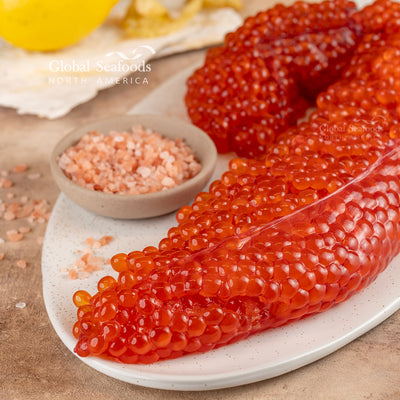
Chinook (King Salmon, Oncorhynchus tshawytscha) produces the largest, most buttery salmon roe of any Pacific salmon species. But even within Chinook caviar, meaningful differences exist between processing styles. This article focuses on a side-by-side comparison of two Chinook red caviar varieties: traditional mildly salted (fresh-processed, lightly cured) vs. premium aged (longer-cured, more developed flavor). Both start with the same high-quality roe; it is time, salt level, and curing method that differentiate them.
Mercury note (Chinook/King Salmon): FDA "Good Choices" — moderate mercury. Recommended: 1 serving per week for adults; less for pregnant women, nursing mothers, and young children. Chinook is in a higher mercury tier than Pink, Coho, and Sockeye salmon due to its larger size and longer lifespan. Source: FDA Advice About Eating Fish.
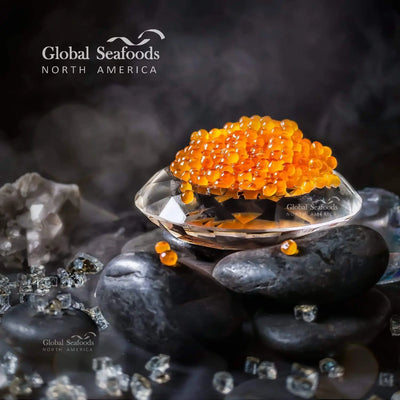
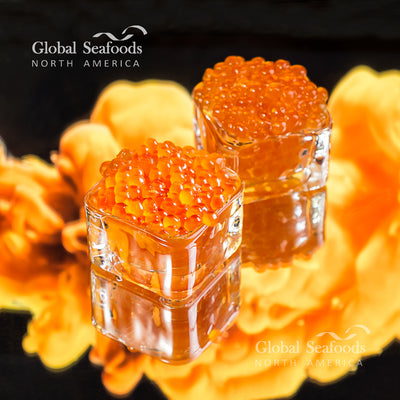
Products: King Salmon Red Caviar • Red Caviar Collection.
The two varieties compared
Traditional mildly salted Chinook caviar
Processing: Fresh roe cured with a minimal amount of salt (typically 3–4% salt by weight) for a short period. The goal is to preserve the roe's natural flavor profile as closely as possible while extending shelf life just enough for distribution.
Flavor: Clean, fresh, and lightly briny; the natural butter-sweet quality of the Chinook roe comes through most directly. Mild saltiness that does not mask the roe’s sweetness. The flavor is closest to eating the roe in its most natural state.
Texture: Firm, taut egg membrane; maximum pop; bright vivid color (deep orange-red). The firmest texture of the two varieties.
Best for: First-time Chinook caviar tasters; serving on its own to appreciate the roe’s natural character; traditional presentations (blinis, toast, eggs) where the caviar is the centerpiece.
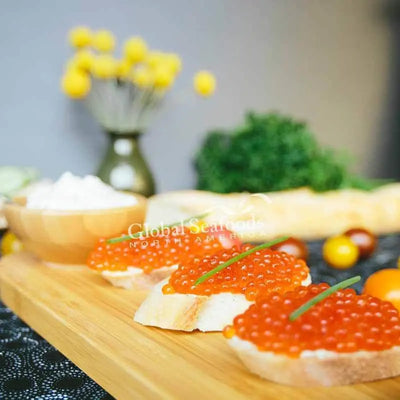
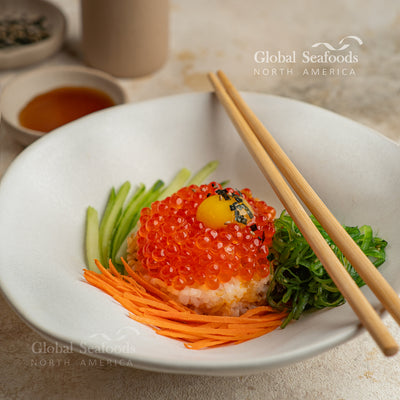
Pairings: Blinis with crème fraîche; toast points with unsalted butter; chilled Champagne or vodka.
Premium aged Chinook caviar
Processing: Cured at a slightly higher salt level or for a longer period, allowing controlled enzymatic activity and salt penetration. This is analogous to the difference between a fresh-pressed and an aged cheese: the same base product, more developed flavor through time and salt.
Flavor: Deeper, more complex, and more umami-forward than the fresh variety. A pronounced briny richness with a longer, more savory finish. Less of the fresh sweetness; more of a rounded, developed character that can stand up to richer accompaniments.
Texture: Egg membrane is slightly softer and dissolves more quickly on the palate; less pop than the fresh variety; color may be slightly deeper or more matte.
Best for: Experienced caviar eaters who prefer complexity and depth; dishes where the roe is an element in a sauce or garnish rather than the sole centerpiece; richer food pairings.
Pairings: Dark rye bread with sour cream and dill; creamy pasta (fold in off heat, immediately before serving); blini with both crème fraîche and a thin slice of smoked salmon; full-flavored Champagne (Blanc de Noirs or vintage); smoky mezcal.
Side-by-side tasting notes
Appearance: Fresh/mild — vivid orange-red, high sheen, uniform bead size. Aged — slightly deeper color, potentially less uniform sheen as the outer membrane absorbs more salt brine.
On the palate: Fresh/mild — firm pop, immediate clean brininess, sweet butter finish, clean aftertaste. Aged — softer burst, briny-umami entry, longer savory finish, more complex aftertaste.
Which to choose: If you are new to Chinook caviar, start with the traditional mildly salted variety — it is the most approachable and shows the roe’s natural character most clearly. If you prefer bold, complex flavor in gourmet contexts, the aged variety rewards those preferences.
Tasting technique
To taste caviar at its best: serve cold (28–32°F); use a mother-of-pearl or bone spoon (no metal — it imparts a metallic off-flavor). Place a small amount on the back of your hand first (the classic fine caviar tasting method) to warm the roe slightly and release its aroma before eating. Then taste on a neutral base (plain blini or unsalted cracker) to evaluate the roe’s natural flavor without interference. Compare the two varieties back to back with a palate cleanser (plain sparkling water) between them.
Nutrition
Both Chinook caviar varieties provide the same underlying nutrition: approximately 40–45 calories per oz; 6–7g protein; ~1,800–2,200mg omega-3 EPA+DHA per oz (one of the most concentrated omega-3 sources per calorie). Rich in vitamin B12, vitamin D, vitamin A (retinol), and selenium. The aged variety has a slightly higher effective salt content due to longer curing, which is worth noting for sodium-conscious consumers.
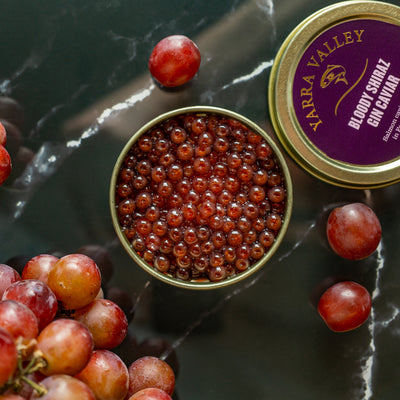
Also explore: Coho Salmon Caviar • Trout Red Caviar • Bloody Shiraz Infused Caviar • Golden Pearls Brook Trout Caviar.
Videos: Global Seafoods YouTube Channel.
Related Products


Also in Video

Salmon Tender Monroe: Inside a Suquamish Tribal Vessel Unloading Wild Salmon
The Salmon Tender Monroe is a Suquamish Nation vessel operating in Puget Sound — collecting wild salmon from tribal fishing boats and delivering them to shore. This is the story of a living treaty right, a working vessel, and the wild salmon that have sustained the Suquamish people for thousands of years.

Vietnam Fisherman: Small Boat Leaving Lang Co Bay for the Night Catch
As the sun drops behind the Hải Vân Pass, a lone Vietnamese fisherman pushes off from Lang Co Bay and heads into the darkness of the South China Sea. This is the story of a single boat, a single night, and the ancient rhythm of fishing that still feeds communities across central Vietnam.

Lang Co, Vietnam: Inside the Coastal Fishing Life That Feeds a Nation
Lang Co is one of Vietnam’s most beautiful and storied fishing communities — a narrow strip of land between a turquoise lagoon and the South China Sea. This is the story of the fishermen, their boats, and the wild seafood traditions that have sustained this village for generations.
Shop Now
Main
