
Luxury King Crab & Beluga Caviar Dinner – How to Cook a $2,000 Seafood Feast

Luxury King Crab & Beluga Caviar Dinner: How to Cook a $2,000 Seafood Feast
If you're ready to step into the world of high-end seafood, this dinner is the ultimate experience — live Norwegian king crab, fresh Dungeness crab, Maine lobster, spot prawns, and on top of everything, rich Beluga sturgeon caviar. This is luxury dining at home: a true seafood celebration.
In this full guide, you'll learn how to prepare each component of this feast, how to season and boil the seafood, and how to plate it with caviar for a restaurant-level presentation.
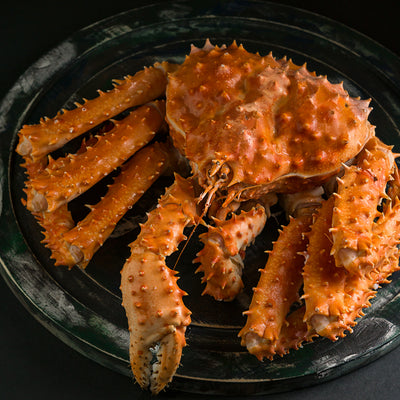
The Star: Live Norwegian King Crab
Norwegian king crab is considered some of the best in the world. Raised naturally in the icy Barents Sea, this crab develops:
- Firm, sweet, impressive leg meat
- Rich natural flavor
- Perfect texture for boiling or steaming
- Thick shells that protect succulent flesh
Why Norwegian King Crab Is Special
Originally introduced from Russia decades ago, king crab has become a sustainable, carefully managed resource in Norway. Strict harvest controls ensure population health, consistent quality, and premium size grading.
🔗 Order Live King Crab at Global Seafoods
Fresh vs. Frozen: Why Live Seafood Wins Every Time
When you start with live king crab, the difference in flavor and texture is instantly noticeable. Compared to frozen crab, live seafood offers better firmness, pure ocean sweetness, zero water saturation, and more consistent cooking results. Fresh seafood cooks more evenly and absorbs seasoning more naturally — a must for a gourmet presentation.
The Full Feast Lineup
- 🔗 Live Norwegian King Crab — the centerpiece
- 🔗 Live Dungeness Crab — soft, buttery, slightly sweet
- 🔗 Live Maine Lobster — firm, rich, deeply flavorful
- 🔗 Spot Prawns — sweet, delicate, perfect dipped in butter
Each adds its own texture, sweetness, and dramatic visual impact to the plate.
How to Cook Live King Crab – Step-by-Step
Step 1: Prepare the Crab
Rinse the crab under cold water. Keep it chilled until cooking — cold keeps the crab calm and easier to handle.
Step 2: Boil or Steam with Seasoned Water
Use a large pot and add:
- Sea salt (¼ cup per gallon)
- Garlic cloves
- Lemon slices
- Bay leaves
- Optional: paprika, peppercorns, seafood seasoning
Bring water to a rolling boil before adding the seafood.
Step 3: Cooking Times by Species
- Whole king crab: 18–20 minutes
- King crab legs only: 12–14 minutes
- Dungeness crab: 12–18 minutes
- Maine lobster: 8–12 minutes
- Spot prawns: 2–3 minutes
Never overcook — luxury seafood should be tender and juicy, not rubbery.
Step 4: Cooling & Cracking
Let the crab rest 3–5 minutes, then crack gently:
- Twist legs at the joints
- Use kitchen shears along the shell
- Push meat out cleanly with a spoon handle
This keeps big, beautiful pieces intact for presentation.
The Luxury Touch: Beluga Sturgeon Caviar
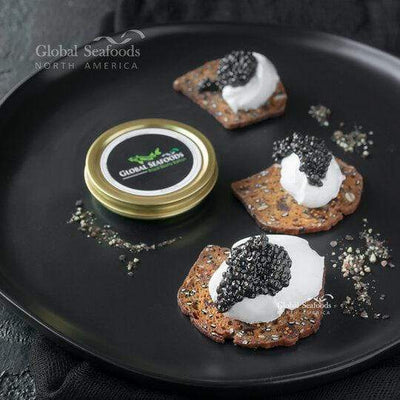
No luxury seafood feast is complete without Beluga caviar — one of the rarest and most celebrated delicacies in the world.
Why Caviar Pairs Perfectly with Shellfish
- Adds creamy richness and depth
- Enhances the natural sweetness of crab and lobster
- Delivers a briny, elegant finish
- Complements both warm and chilled dishes
How to Serve Caviar with Shellfish
- Spoon directly onto king crab leg meat (use a mother-of-pearl or wooden spoon — never metal)
- Add a small layer atop lobster claws
- Place in a chilled dish in the center of the platter
Plating Your Luxury Seafood Feast
For restaurant-quality presentation:
- Arrange king crab legs in a circular “crown” as the centerpiece
- Place lobster halves on the sides
- Add Dungeness clusters across the board
- Surround with spot prawns for color and contrast
- Add lemon halves and fresh herbs
- Spoon Beluga caviar in the center in a chilled dish
Drink Pairings
- Brut Champagne — the classic luxury seafood pairing
- Chablis — mineral and crisp
- Crisp Sauvignon Blanc — bright acidity that cuts through richness
- Premium Russian or Scandinavian vodka — the traditional caviar pairing
Order Your Luxury Seafood Feast
Global Seafoods offers premium live seafood delivered nationwide — fresh, cold, and ready for cooking. Perfect for birthdays, anniversaries, holidays, private dinners, and special events.
- 🔗 Live King Crab
- 🔗 Whole Dungeness Crab
- 🔗 Cold Water Lobster Tails
- 🔗 Beluga Caviar
- 🔗 Browse the Full Global Seafoods Collection
🎥 Watch Luxury Seafood Cooking Tutorials on YouTube
Conclusion
A King Crab & Beluga Caviar Dinner isn’t just a meal — it’s a moment. The aromas, flavors, textures, and presentation come together to create an unforgettable culinary experience. Whether you’re hosting a luxury dinner party, celebrating a milestone, or simply enjoying gourmet seafood at home, this feast offers a taste of true ocean indulgence. 🔗 Order your live king crab and 🔗 Beluga caviar from Global Seafoods today.
FAQs: Luxury King Crab & Beluga Caviar Dinner
Q1: How do I know when live king crab is fully cooked?
The shell will turn bright red and the meat will be opaque, white, and firm. For a whole king crab, the internal temperature of the thickest body section should reach 145°F (63°C). A quick test: pull a small leg — if it comes away easily and the meat is opaque throughout, the crab is done. Avoid overcooking — the meat becomes rubbery and loses its natural sweetness past the recommended times.
Q2: Can I cook all the seafood in the same pot?
Not simultaneously — each species has different cooking times and adding them all at once will result in some being overcooked and others undercooked. Cook in this order: king crab first (18–20 min), then Dungeness (12–18 min), then lobster (8–12 min), and finally spot prawns (2–3 min). You can use the same seasoned water for all — it gets richer with each batch. Keep cooked seafood warm in a low oven (170°F) while you finish the rest.
Q3: What is the difference between Beluga caviar and other sturgeon caviars?
Beluga caviar (from Huso huso sturgeon) is the largest, rarest, and most prized — known for its large, delicate eggs, buttery flavor, and smooth, creamy finish. Osetra caviar has a nuttier, more complex flavor with medium-sized eggs. Sevruga is smaller with a more intense, briny taste. For a luxury king crab pairing, Beluga’s mild butteriness is the ideal complement — it enhances without overwhelming the sweet crab meat.
Q4: How much Beluga caviar do I need for a dinner party?
For a garnish-style presentation on a seafood platter, plan for 10–15g per person — roughly 1–2 teaspoons. For a more generous caviar course alongside the seafood, 20–30g per person is the fine-dining standard. For a dinner party of 4, a 50–60g tin is typically sufficient for garnishing. Caviar is intensely flavored — a little goes a long way, especially alongside rich shellfish.
Q5: How far in advance can I prepare this feast?
You can cook the seafood up to 2 hours in advance, then cover and refrigerate. Bring to room temperature 20–30 minutes before serving, or reheat briefly by steaming for 3–5 minutes. Add the caviar immediately before serving — never in advance, as the salt will draw moisture from the seafood and the caviar will lose its texture. The seasoned boiling water can be prepared hours ahead.
Q6: What is the best way to store leftover king crab and caviar?
Cooked king crab: store in an airtight container in the refrigerator for up to 2 days. Reheat by steaming for 5–7 minutes. Leftover caviar: keep in the coldest part of the refrigerator (28–32°F), tightly sealed, and consume within 2–3 days of opening. Never freeze caviar — freezing ruptures the delicate eggs and destroys the texture. Do not refreeze cooked king crab once thawed.
Related Products


Also in Video

Salmon Tender Monroe: Inside a Suquamish Tribal Vessel Unloading Wild Salmon
The Salmon Tender Monroe is a Suquamish Nation vessel operating in Puget Sound — collecting wild salmon from tribal fishing boats and delivering them to shore. This is the story of a living treaty right, a working vessel, and the wild salmon that have sustained the Suquamish people for thousands of years.

Vietnam Fisherman: Small Boat Leaving Lang Co Bay for the Night Catch
As the sun drops behind the Hải Vân Pass, a lone Vietnamese fisherman pushes off from Lang Co Bay and heads into the darkness of the South China Sea. This is the story of a single boat, a single night, and the ancient rhythm of fishing that still feeds communities across central Vietnam.

Lang Co, Vietnam: Inside the Coastal Fishing Life That Feeds a Nation
Lang Co is one of Vietnam’s most beautiful and storied fishing communities — a narrow strip of land between a turquoise lagoon and the South China Sea. This is the story of the fishermen, their boats, and the wild seafood traditions that have sustained this village for generations.
Shop Now
Main
