
How to Steam and Enjoy King Crab Legs: A Seafood Lover’s Guide

Steam King Crab Legs: A Complete Guide
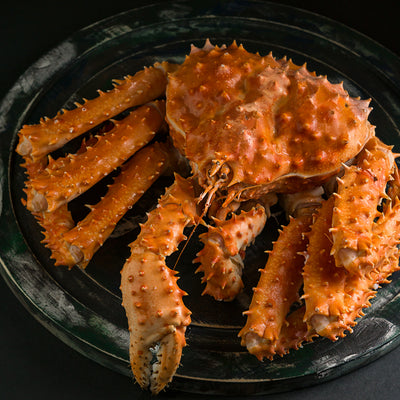
King crab legs are the crown jewels of the seafood world, offering a delectable combination of sweetness, tenderness, and an unmistakable taste of luxury. Whether you're enjoying a special occasion or simply treating yourself, mastering the art of steaming and serving king crab legs is a must.
This guide goes beyond the basics, providing step-by-step instructions, unique flavor combinations, and expert tips for the ultimate king crab experience.
What Makes King Crab Legs So Special?
Exquisite Taste and Texture
The meat of king crab legs is known for its sweet, delicate flavor and firm yet tender texture. It's rich without being overpowering, making it ideal for a variety of dishes.
A Symbol of Luxury
Harvested from the icy waters of Alaska and the North Pacific, king crab legs are often reserved for special occasions due to their premium quality and price.
Nutritional Powerhouse
King crab is high in protein and packed with essential nutrients like omega-3 fatty acids, zinc, and vitamin B12, making it a healthy choice that doesn't compromise on flavor.
How to Steam King Crab Legs to Perfection
Steaming is the best way to cook king crab legs because it preserves their natural juices and ensures they stay tender.
What You'll Need
- King crab legs (thawed or frozen)
- A large pot with a lid
- A steamer basket or colander
- Water
- Salt or aromatics (optional)
- Butter (optional, for serving)
Step 1: Thaw the Crab Legs
Frozen crab legs should be thawed before cooking for best results. Place them in the refrigerator overnight (8–12 hours). For a quicker option, seal them in a plastic bag and submerge in cold water for 30–45 minutes, changing the water every 15 minutes.
Step 2: Set Up the Steamer
- Fill a large pot with about 2 inches of water.
- Insert a steamer basket or colander into the pot, ensuring it doesn't touch the water.
Step 3: Add Flavor to the Water (Optional)
Enhance the steaming process by adding:
- A pinch of salt
- A splash of white wine or lemon juice
- Aromatics like garlic cloves, bay leaves, or peppercorns
Step 4: Steam the Crab Legs
- Bring the water to a boil over medium-high heat.
- Arrange the crab legs in the steamer basket. Avoid overcrowding to allow steam to circulate evenly.
- Cover the pot with a tight-fitting lid.
- Cook for 5–7 minutes if the legs are thawed, or 10–12 minutes if cooking from frozen.
Step 5: Serve Immediately
Use tongs to remove the crab legs. Allow them to cool slightly before serving with your favorite dipping sauces.
💡 Pro Tip: Use kitchen shears to cut along the length of the shell to expose the meat cleanly without damaging it.
Creative Ways to Enjoy King Crab Legs
While king crab legs are delicious on their own, pairing them with the right dipping sauce takes the experience to the next level.
1. Classic Melted Butter
Combine melted butter with a squeeze of fresh lemon juice, a dash of garlic powder, and a pinch of smoked paprika for a hint of spice.
2. Herb-Infused Garlic Butter
Melt butter and mix with minced garlic, fresh parsley, dill, and thyme for an aromatic and flavorful dip.
3. Cajun Kick
Toss steamed crab legs in Cajun seasoning or Old Bay. Pair with a spicy remoulade made from mayonnaise, Dijon mustard, and hot sauce.
4. Asian-Inspired Sauce
Create a unique umami-packed sauce with soy sauce, rice vinegar, sesame oil, grated ginger, and a touch of honey for sweetness.
5. Parmesan Cream Sauce
For a decadent option, melt butter, stir in heavy cream, and mix with grated Parmesan cheese. Add a pinch of nutmeg for depth.
Tips for a Perfect Crab Feast
Serve Complementary Sides
King crab legs pair beautifully with:
- Roasted vegetables: Asparagus, zucchini, or Brussels sprouts
- Starches: Garlic mashed potatoes or wild rice pilaf
- Salads: A crisp Caesar or a citrus-infused mixed green salad
Provide the Right Tools
- Crab crackers — for breaking the shells
- Seafood forks — for scooping out the meat
- Kitchen shears — the easiest way to open king crab legs cleanly
- Napkins — things will get messy!
Host a Seafood Night
Pair king crab legs with other seafood delicacies like shrimp, scallops, or lobster for a luxurious surf-and-turf feast.
Where to Buy the Best King Crab Legs
To enjoy premium-quality king crab legs, choose a trusted provider like Global Seafoods:
- 🔗 Alaskan Red King Crab Legs – Jumbo
- 🔗 Golden King Crab
- 🔗 Live King Crab
- 🔗 King Crab Leg Pieces
- 🔗 Fresh King Crab Legs
🎥 Watch King Crab Recipes & Cooking Tips on YouTube
Conclusion
King crab legs are a luxurious treat that combines rich flavor, impressive presentation, and endless culinary possibilities. By steaming them to perfection and pairing them with creative dips, you can turn any meal into a celebration. 🔗 Order premium king crab legs from Global Seafoods and bring the taste of the ocean to your table.
FAQs About King Crab Legs
Q1: Can I freeze leftover king crab legs?
Yes — place cooked king crab legs in an airtight container or vacuum-sealed bag and freeze for up to 6 months. For best results, remove the meat from the shell before freezing — it thaws faster and reheats more evenly. Thaw overnight in the refrigerator before reheating. Do not refreeze once thawed.
Q2: How do I reheat king crab legs?
Steaming for 3–5 minutes is the best reheating method — it reheats evenly without drying out the meat. Alternatively, wrap in foil with a pat of butter and bake at 350°F for 8–10 minutes. Avoid microwaving without a damp paper towel, which can make the meat rubbery. Do not boil reheated crab — it leaches flavor into the water.
Q3: What is the difference between king crab and snow crab?
King crab legs are larger, sweeter, and have thicker shells with a richer, more buttery flavor. Snow crab legs are smaller, milder, and easier to crack — with a slightly briny, delicate taste. King crab has a lower meat-to-shell ratio but the meat is more substantial per piece. Snow crab is more affordable and widely available year-round; king crab is the premium special-occasion choice.
Q4: Are king crab legs sustainable?
Yes — when sourced from reputable fisheries certified by the Marine Stewardship Council (MSC) or regulated by NOAA and the North Pacific Fishery Management Council, king crab is a sustainable choice. Alaska red king crab fisheries operate under strict quota systems, size limits, and season controls. Always buy from suppliers who can trace their sourcing to certified, well-managed fisheries.
Q5: How much king crab should I buy per person?
Plan on 1–1.5 lbs of king crab legs per person as a main course. King crab has a relatively low meat-to-shell ratio — approximately 25–30% of the total weight is edible meat. For a larger seafood spread with other dishes, 0.75–1 lb per person is sufficient. Err on the generous side — king crab is a centerpiece dish and guests tend to eat more than expected.
Q6: How do I know when steamed king crab legs are fully heated?
King crab legs are pre-cooked before freezing — you're reheating, not cooking from raw. They're ready when the shell is hot to the touch and the meat inside is steaming and opaque throughout. The internal temperature should reach 145°F (63°C). A quick test: insert a thin knife or skewer into the thickest part of the meat — if it comes out warm, the crab is ready. Avoid overcooking — the meat becomes rubbery past the recommended times.
Related Products


Also in Video

Salmon Tender Monroe: Inside a Suquamish Tribal Vessel Unloading Wild Salmon
The Salmon Tender Monroe is a Suquamish Nation vessel operating in Puget Sound — collecting wild salmon from tribal fishing boats and delivering them to shore. This is the story of a living treaty right, a working vessel, and the wild salmon that have sustained the Suquamish people for thousands of years.

Vietnam Fisherman: Small Boat Leaving Lang Co Bay for the Night Catch
As the sun drops behind the Hải Vân Pass, a lone Vietnamese fisherman pushes off from Lang Co Bay and heads into the darkness of the South China Sea. This is the story of a single boat, a single night, and the ancient rhythm of fishing that still feeds communities across central Vietnam.

Lang Co, Vietnam: Inside the Coastal Fishing Life That Feeds a Nation
Lang Co is one of Vietnam’s most beautiful and storied fishing communities — a narrow strip of land between a turquoise lagoon and the South China Sea. This is the story of the fishermen, their boats, and the wild seafood traditions that have sustained this village for generations.
Shop Now
Main
