
Cliff Point Petite Oysters – Sustainable Farming, Ecosystem Benefits & Conservation

Protecting a Delicate Ocean Treasure Through Sustainable Practices
Oysters are more than just a gourmet delicacy – they are essential to marine ecosystems, helping to filter water, protect coastlines, and support biodiversity. Among the most prized varieties, Cliff Point Petite Oysters stand out for their delicate texture, briny sweetness, and exceptional quality.
However, overfishing, habitat destruction, and climate change threaten oyster populations worldwide. By promoting sustainable farming and responsible harvesting, we can ensure that future generations continue to enjoy this incredible seafood while maintaining a healthy ocean ecosystem.
Why Sustainability Matters in Oyster Farming
1. The Growing Concern Over Oyster Decline
🔹 Unsustainable harvesting practices have led to depleted oyster populations in many regions – wild oyster populations in the US have declined by an estimated 85% from historical levels.
🔹 Pollution and ocean acidification from climate change are affecting oyster beds, reducing their ability to form shells and thrive.
🔹 Oyster reefs are disappearing, impacting marine biodiversity and water quality – oyster reefs are among the most threatened marine habitats on Earth.
By adopting sustainable oyster farming practices, we can protect these valuable shellfish and restore marine environments.
Sustainable Techniques for Preserving Cliff Point Petite Oysters
To maintain the long-term health of Cliff Point Petite Oysters, fisheries and conservationists use several sustainable practices:
1. Responsible Harvesting
✔ Only mature oysters are harvested – typically those that have reached 2.5–3 inches – allowing younger oysters to grow and reproduce.
✔ Rotational harvesting ensures oyster beds remain productive and healthy by giving sections time to recover between harvests.
✔ Hand-harvesting and cage-based aquaculture methods minimize seafloor disturbance compared to dredging.
2. Oyster Bed Restoration
✔ Rebuilding oyster reefs provides a stable foundation for new oyster colonies and restores critical habitat.
✔ Recycled oyster shells (cultch) are placed on the seabed to provide substrate for larval oysters (spat) to attach and grow – a practice known as shell recycling or cultch planting.
✔ Reef restoration programs have demonstrated that oyster populations can recover significantly within 3–5 years when properly managed.
3. Monitoring & Regulation
✔ Strict fishing quotas and harvesting regulations prevent overexploitation and are enforced by state and federal agencies.
✔ Regular water quality testing ensures oysters grow in clean, nutrient-rich environments – oysters are bioaccumulators, so water quality directly affects their safety and flavor.
✔ Shellfish growing area classifications (Approved, Conditional, Restricted) are monitored by NOAA and state shellfish programs.
4. Environmental Impact Assessments
✔ Before oyster farming begins, thorough environmental assessments are conducted to evaluate water quality, habitat, and ecosystem compatibility.
✔ These assessments minimize negative ecological impacts and protect marine biodiversity – well-sited oyster farms can actually improve local water quality and habitat.
The Benefits of Sustainable Oyster Farming
Sustainable oyster farming benefits both the environment and the seafood industry:
1. Improving Water Quality
✔ Oysters naturally filter water, removing pollutants, excess nutrients (nitrogen and phosphorus), and algae that cause harmful blooms.
✔ One oyster can filter up to 50 gallons of water per day, improving overall ocean health. A single acre of oyster reef can filter the equivalent of a large swimming pool every hour.
✔ Oyster farming is one of the few forms of aquaculture that improves rather than degrades the surrounding water quality.
2. Supporting Marine Biodiversity
✔ Oyster reefs provide complex three-dimensional habitat for fish, crabs, shrimp, and other marine life – studies show oyster reefs support up to 50 times more species than bare sediment.
✔ Protecting oysters helps sustain entire ecosystems, including commercially important fish species that use oyster reefs as nursery habitat.
✔ Oyster reefs also provide shoreline protection by absorbing wave energy and reducing coastal erosion.
3. Boosting the Local Economy
✔ Sustainable oyster farming supports fishermen and coastal communities – the US oyster industry generates over $200 million annually.
✔ It ensures a stable and renewable seafood supply for future generations without depleting wild stocks.
✔ Oyster aquaculture is one of the most environmentally efficient forms of animal protein production – requiring no feed inputs and producing minimal waste.
4. Maintaining a Premium Culinary Experience
✔ Cliff Point Petite Oysters are known for their delicate texture, briny flavor, and clean finish – qualities that are directly tied to the pristine growing conditions maintained by sustainable practices.
✔ Sustainable practices ensure that seafood lovers can continue to enjoy this delicacy for years to come while supporting the ecosystems that make exceptional oysters possible.
How You Can Support Sustainable Oyster Farming
1. Choose Responsibly Sourced Oysters
🔹 When buying oysters, look for certified sustainable seafood from responsible fisheries – ask about the farm’s growing method, water quality certifications, and harvest practices.
🔹 Look for Best Aquaculture Practices (BAP) certification or Seafood Watch “Best Choice” ratings for farmed oysters.
2. Reduce Pollution & Waste
🔹 Avoid single-use plastics that pollute marine habitats – plastic pollution is a leading threat to oyster growing areas.
🔹 Support initiatives that focus on ocean clean-up and conservation.
🔹 Recycle your oyster shells – many coastal communities have shell recycling programs that return shells to the water as cultch for new oyster spat.
3. Spread Awareness
🔹 Educate others about the importance of oyster conservation and the ecosystem services oysters provide.
🔹 Encourage restaurants and seafood suppliers to prioritize sustainability and display sourcing information.
🔹 Support organizations like the Oyster Recovery Partnership, The Nature Conservancy’s oyster reef restoration programs, and local shellfish hatcheries.
By making sustainable seafood choices, you can help preserve Cliff Point Petite Oysters and protect marine ecosystems.
Where to Buy Sustainably Sourced Oysters Online
Looking for high-quality, sustainably farmed oysters? Check out these trusted sources from Global Seafoods:
🛒 Oyster Collection – Sustainably Harvested
🛒 Fresh Oysters – Best Selection
🛒 Carbajal Oysters
🛒 Cliff Point Petite Oysters
🛒 Tidepoint Oysters
🛒 Willapa Bay Oysters
🛒 Miyagi Oysters
🛒 Maine Oysters
🎥 Watch sustainable seafood stories & oyster farming insights on the Global Seafoods YouTube Channel!
FAQs About Cliff Point Petite Oysters & Sustainable Oyster Farming
What makes Cliff Point Petite Oysters different from other oyster varieties?
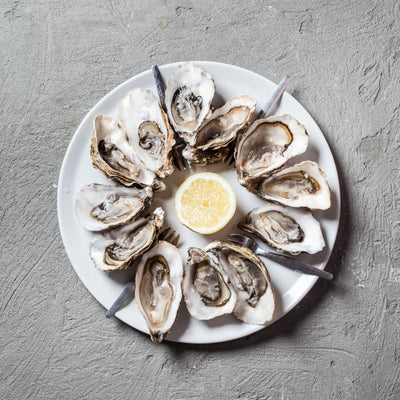
Cliff Point Petite Oysters are a small-format Pacific oyster (Crassostrea gigas) grown in the cold, clean waters of the Pacific Northwest. Their “petite” size – typically 2–2.5 inches – concentrates their flavor, resulting in an intensely briny, sweet, and clean-finishing oyster with a delicate, creamy texture. The cold water slows their growth, which develops more complex flavor compared to oysters grown in warmer conditions. Their small size also makes them ideal for eating on the half shell in a single bite, which is why they are popular at raw bars and fine dining restaurants. The specific growing location (Cliff Point) imparts a distinct merroir – the oyster equivalent of wine’s terroir.
How do oysters filter water and why does it matter?
Oysters are filter feeders – they draw water in through their gills, extract phytoplankton and organic particles for food, and expel cleaner water. A single adult oyster filters up to 50 gallons of water per day. This process removes excess nitrogen and phosphorus (from agricultural runoff and sewage) that cause harmful algal blooms, removes suspended sediment that clouds the water and blocks sunlight from reaching seagrass beds, and concentrates organic matter into biodeposits that become food for bottom-dwelling organisms. Oyster aquaculture is therefore considered a bioremediation tool – farms in nutrient-polluted estuaries can measurably improve water clarity and reduce hypoxic (low-oxygen) zones.
Is farmed oyster aquaculture truly sustainable?
Yes – oyster aquaculture is widely considered one of the most sustainable forms of animal protein production. Unlike fish or shrimp farming, oysters require no feed inputs (they filter their food from the water), no antibiotics or hormones, and no freshwater. They have an extremely low carbon footprint and actually sequester carbon in their shells. The Monterey Bay Aquarium Seafood Watch rates farmed oysters as a “Best Choice” – the highest sustainability rating. Well-sited oyster farms improve local water quality, provide habitat, and support coastal economies. The key sustainability factors are proper site selection, responsible stocking density, and avoiding sensitive habitats.
What is ocean acidification and how does it threaten oysters?
Ocean acidification occurs when the ocean absorbs excess atmospheric CO₂, forming carbonic acid and lowering seawater pH. For oysters, this is a serious threat because they build their shells from calcium carbonate – a compound that dissolves in acidic conditions. As pH drops, oyster larvae struggle to form shells, leading to high mortality rates in hatcheries and wild populations. The Pacific Northwest – where Cliff Point Petite Oysters are grown – is particularly vulnerable to acidification due to upwelling of deep, CO₂-rich water. Oyster hatcheries in the region have adapted by monitoring water chemistry and buffering intake water. Reducing global carbon emissions is the only long-term solution to ocean acidification.
What should I look for when buying sustainably sourced oysters?
When buying oysters for sustainability, look for: farmed rather than wild-harvested – farmed oysters consistently receive better sustainability ratings; Seafood Watch “Best Choice” rating (all farmed US oysters qualify); country of origin – US-farmed oysters are subject to strict NOAA and state shellfish program oversight; harvest date – fresh oysters should have a harvest date within the past 7–10 days; and shell integrity – shells should be tightly closed or close when tapped. Ask your supplier about the farm’s water quality certifications and growing method. Buying directly from a reputable supplier like Global Seafoods ensures full traceability from farm to table.
Final Thoughts: Protecting the Future of Cliff Point Petite Oysters
The preservation of Cliff Point Petite Oysters is a shared responsibility among fisheries, consumers, and conservationists. By supporting sustainable harvesting practices, we can protect marine ecosystems and ensure a continuous supply of this premium seafood.
✔ Sustainable oyster farming prevents overharvesting and supports marine biodiversity – oyster reefs support up to 50x more species than bare sediment
✔ Oyster reefs improve water quality – filtering up to 50 gallons per oyster per day and reducing harmful algal blooms
✔ Consumers can help by choosing responsibly harvested oysters, recycling shells, and supporting reef restoration programs
Next time you enjoy Cliff Point Petite Oysters, remember that your choice supports a healthier ocean and a more sustainable future.
Related Products


Also in News

Snail Caviar: How White Escargot Caviar Is Farmed, Harvested and Made

The Dark Years of Pacific Salmon: A 20-Year Outlook for Alaska, Russia, and the Red Caviar Market

King Crab Legs Delivery: Is It Worth It? Exploring the Benefits and Best Options
Shop Now
Main
