
Exploring the Delights of Albacore Sashimi: Why It’s a Must-Try for Seafood Lovers

Albacore Sashimi: Flavor, Nutrition, and How to Serve It
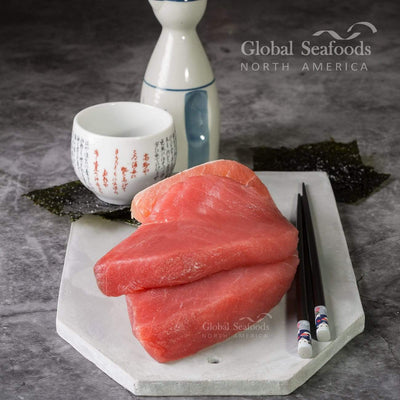
Albacore tuna (Thunnus alalunga) — known as shiro maguro (白マグロ) in Japanese, meaning "white tuna" — is one of the most distinctive sashimi fish available. Its pale, almost ivory-white flesh, mild sweetness, and buttery texture set it apart from the deeper red, more intensely flavored yellowfin and bluefin. It's an excellent entry point for sashimi beginners and a genuine favorite among experienced sashimi eaters who appreciate subtlety over intensity. This guide covers what makes albacore unique, how it compares to other tuna species, its nutritional profile, and how to prepare and serve it at home.
🔗 Tuna Collection | 🔗 All Fish | 🔗 Sablefish
Albacore vs. Other Tuna: A Complete Comparison
| Species | Japanese Name | Flesh Color | Flavor | Texture | Mercury (avg ppm) | Best Use |
|---|---|---|---|---|---|---|
| Albacore (T. alalunga) | Shiro maguro | Pale ivory-white | Mild, sweet, buttery | Soft, smooth | 0.350 (moderate) | Sashimi, tataki, seared |
| Yellowfin (T. albacares) | Kihada / Ahi | Deep pink-red | Clean, mild-to-medium | Firm, lean | 0.354 (moderate) | Sashimi, poke, seared |
| Bigeye (T. obesus) | Mebachi | Deep red | Rich, full-flavored | Firm, higher fat | 0.689 (high) | High-end sashimi, nigiri |
| Bluefin (T. thynnus) | Hon maguro | Deep red to marbled | Rich, complex, fatty | Varies by cut (lean to otoro) | 0.470 (high) | Premium sashimi, nigiri |
| Skipjack (K. pelamis) | Katsuo | Dark red | Strong, pronounced | Firm | 0.144 (low-moderate) | Tataki, bonito flakes |
Mercury data: FDA average mercury in commercial fish. Moderate = 0.15–0.46 ppm; High = above 0.46 ppm.
Key takeaway: Albacore and yellowfin have similar mercury levels (both moderate) — both should be limited to 1 serving per week for pregnant women and children per FDA guidance. For the lowest-mercury sashimi option, salmon (0.022 ppm) is the best choice. For the most distinctive albacore experience, its pale color and buttery texture are genuinely unique among tuna species.
Albacore Nutrition
Per 3 oz (85g) cooked albacore tuna:
- Calories: ~109 | Protein: ~20g | Fat: ~2.5g | Saturated fat: ~0.7g
- Omega-3 (EPA+DHA): ~700–900mg — higher than yellowfin; lower than salmon
- Vitamin B12: ~2.5µg (~104% DV) | Selenium: ~56µg (~102% DV) | Niacin: ~14mg (~88% DV)
- Mercury: 0.350 ppm average — moderate; limit to 1 serving/week if pregnant or a child
How to Prepare Albacore Sashimi at Home
Food Safety First
Like all wild fish, albacore can carry parasites and must be frozen to FDA parasite-destruction standards before eating raw: -4°F (-20°C) for 7 days or -31°F (-35°C) for 15 hours. "Sashimi-grade" labeling indicates the fish has been previously frozen to these standards. If buying fresh albacore, freeze for at least 7 days before eating raw.
Slicing Technique
- Ensure the fish is very cold (just above freezing) — cold fish slices more cleanly than room-temperature fish.
- Use a long, thin, sharp knife (a yanagiba sashimi knife is ideal; a sharp chef's knife works).
- Identify the grain of the muscle fibers; slice against the grain at a 45-degree angle.
- Use a single, smooth pulling stroke — do not saw back and forth; this tears the flesh.
- Target slices approximately 5–7mm thick for sashimi — thin enough to be tender, thick enough to have texture.
- Arrange on a chilled plate; serve immediately.
Classic Sashimi Service
Arrange 5–6 slices on a chilled plate with a small mound of finely shredded daikon radish (which cleanses the palate and adds visual contrast), a small portion of wasabi, and pickled ginger on the side. Serve with soy sauce for dipping — dip the fish side only, not the daikon. The daikon is not a garnish to be ignored; it's a functional palate cleanser.
Albacore Tataki (Seared)
Tataki is a Japanese preparation where the fish is briefly seared on the outside while remaining raw inside — it's particularly well-suited to albacore because the searing adds a caramelized crust that contrasts beautifully with the buttery interior.
- Season a loin of albacore with salt and pepper.
- Heat a cast iron or stainless pan over very high heat until smoking; add a thin film of neutral oil.
- Sear each side of the loin for 15–20 seconds — just enough to color the outside; the interior should remain raw.
- Immediately transfer to an ice bath for 30 seconds to stop any cooking.
- Slice thinly; serve with ponzu sauce, thinly sliced scallions, grated ginger, and a few drops of sesame oil.
Flavor Pairings
- Classic: Soy sauce + wasabi + pickled ginger
- Citrus: Ponzu (soy + yuzu/citrus) — the acidity brightens albacore's mild sweetness
- Sesame: A few drops of toasted sesame oil + sesame seeds + scallions
- Truffle: A few drops of truffle oil + flaky sea salt — the earthiness of truffle pairs surprisingly well with albacore's butteriness
- Wine: Dry sake; unoaked Chardonnay (Chablis); Champagne
Shop Sashimi-Grade Fish
🎥 Watch sashimi preparation tutorials on the Global Seafoods YouTube Channel
FAQs: Albacore Sashimi
How does albacore differ from the "white tuna" served at many sushi restaurants?
"White tuna" on a sushi menu can refer to two very different fish: albacore (shiro maguro) and escolar (sometimes called "super white tuna" or "butterfish"). Albacore is a true tuna with pale ivory flesh, mild flavor, and moderate mercury. Escolar is a completely different species — it has an extremely high fat content (from wax esters that the human body cannot fully digest) and can cause gastrointestinal distress (oily diarrhea) in some people, particularly when consumed in large quantities. Escolar is banned for sale in Japan and Italy for this reason. If you're ordering "white tuna" at a sushi restaurant, it's worth asking which fish it actually is. Albacore is the legitimate, safe choice; escolar is the cheaper substitute that some restaurants use.
Is albacore mercury safe to eat regularly?
Albacore has moderate mercury (0.350 ppm average) — higher than salmon (0.022 ppm) but lower than bigeye tuna (0.689 ppm) and bluefin (0.470 ppm). The FDA recommends that pregnant women, nursing mothers, and children limit albacore to 1 serving (4 oz) per week and choose lower-mercury fish (salmon, shrimp, crab, pollock) for their other seafood servings. For healthy adults who are not pregnant, albacore at 1–2 servings per week is generally considered safe. If you eat sashimi regularly, alternating between albacore and lower-mercury options like salmon is a practical approach to managing mercury exposure while enjoying variety.
What's the difference between albacore sashimi and albacore tataki?
Sashimi is raw fish sliced and served without any heat application — it showcases the fish's pure, unadulterated flavor and texture. Tataki is a Japanese preparation where the fish is briefly seared on the outside (15–20 seconds per side over very high heat) while remaining raw inside, then sliced and served with ponzu sauce. For albacore specifically, tataki is an excellent preparation because the brief searing creates a caramelized crust that adds complexity and a slight smokiness, contrasting with the buttery raw interior. Tataki is also slightly safer than pure sashimi because the surface searing kills surface bacteria (though it does not address internal parasites, which require freezing). Both preparations are delicious; tataki is more complex and forgiving for home cooks.
Related Products

Also in News

Snail Caviar: How White Escargot Caviar Is Farmed, Harvested and Made

The Dark Years of Pacific Salmon: A 20-Year Outlook for Alaska, Russia, and the Red Caviar Market

King Crab Legs Delivery: Is It Worth It? Exploring the Benefits and Best Options
Shop Now
Main
