
Oyster Liquor: What It Is, Why It Matters, and How to Use It

Oyster Liquor: What It Is, Why It Matters, and How to Use It
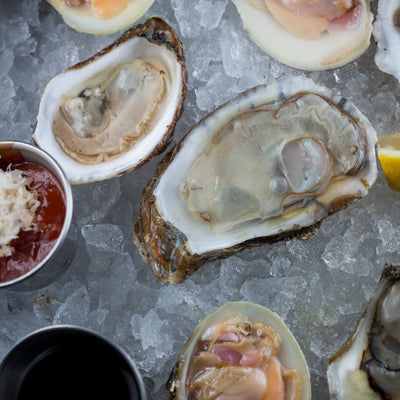
When you shuck a fresh oyster, the liquid that pools in the shell is called oyster liquor. Most people either drink it with the oyster or let it spill out and discard it. Both are reasonable choices — but if you are cooking with fresh oysters, the liquor is one of the most intensely flavored cooking liquids available, and discarding it is a significant waste.
This guide covers what oyster liquor actually is, why it tastes the way it does, how to collect and store it, and six specific ways to use it in cooking.
🔗 Willapa Bay Oysters | 🔗 Carbajal Oysters
What Oyster Liquor Actually Is
Oyster liquor is not simply seawater trapped inside the shell. It is a mixture of seawater and the oyster's own metabolic fluids — a complex liquid that contains the same compounds responsible for the oyster's flavor: glutamates (umami), glycine and taurine (sweetness and brininess), minerals from the oyster's growing environment, and volatile aromatic compounds that produce the characteristic oceanic smell.
The flavor of oyster liquor varies significantly by species and growing environment — the same principle as terroir in wine. Oysters from cold, clean Pacific Northwest waters (like Willapa Bay) produce a liquor that is clean, mildly briny, and slightly sweet. Oysters from warmer, more mineral-rich Atlantic waters produce a liquor that is more assertive and complex. The liquor from a single oyster is only a tablespoon or two, but its flavor is concentrated — a small amount goes a long way in cooking.
Oyster liquor vs. oyster juice vs. oyster water: These terms are used interchangeably. "Oyster liquor" is the most precise term for the liquid inside a freshly shucked oyster. "Oyster juice" sometimes refers to the same thing; it also sometimes refers to the liquid in commercially packed shucked oysters, which is a diluted version of the same thing. "Oyster water" is a less common term for the same liquid.
How to Collect and Store Oyster Liquor
Collecting: When shucking oysters, hold the oyster over a bowl to catch any liquor that spills. After shucking, tip the shell over the bowl to drain any remaining liquor. Strain the collected liquor through a fine-mesh strainer or cheesecloth to remove any shell fragments.
Storage: Fresh oyster liquor should be used within 2 days when refrigerated in an airtight container. It can be frozen in an ice cube tray for up to 3 months — freeze in 1-tablespoon portions for easy use in recipes. Label with the date; oyster liquor does not keep indefinitely in the freezer.
Safety: Oyster liquor from fresh, properly handled oysters is safe to consume raw or cooked. If the liquor smells sour, ammonia-like, or off in any way, discard it — this indicates the oysters were not fresh or were improperly stored.
Six Ways to Use Oyster Liquor in Cooking
1. Oyster Stew or Chowder Base
The most classic use. Add the oyster liquor to the pot when making oyster stew or chowder — it replaces or supplements the seafood stock and adds a depth of oyster flavor that stock alone cannot provide. The liquor's natural salinity means you should taste before adding additional salt.
How much to use: Add all the liquor from your shucked oysters to the pot. For a chowder serving 4, the liquor from 12–18 oysters (approximately ¼–½ cup) is the right amount.
2. Pan Sauce After Searing Seafood
After searing scallops, shrimp, or fish in a hot pan, deglaze with oyster liquor instead of white wine. The liquor releases the browned bits from the bottom of the pan and adds an intensely oceanic flavor to the sauce. Finish with butter and lemon for a complete pan sauce in under 2 minutes.
Technique: Remove the seared seafood from the pan; add 2–3 tbsp oyster liquor to the hot pan; scrape up the browned bits; reduce by half; whisk in 1 tbsp cold butter; season with lemon juice and pepper. Return the seafood to the pan to coat.
3. Pasta Cooking Water Substitute
When making seafood pasta, replace a portion of the pasta cooking water with oyster liquor when finishing the sauce. The liquor adds umami depth and oceanic flavor that pasta water alone doesn't provide. Use 2–3 tbsp per serving — the flavor is concentrated, so a small amount is sufficient.
4. Bloody Mary or Oyster Shooter
Oyster liquor is a classic cocktail ingredient. Add 1–2 tbsp to a Bloody Mary in place of (or in addition to) Worcestershire sauce for a more complex, oceanic flavor. For an oyster shooter: combine 1 oz vodka, 1 tbsp oyster liquor, a dash of hot sauce, and a squeeze of lemon in a shot glass; drop a raw oyster in; drink in one go.
5. Compound Butter
Reduce oyster liquor by half in a small saucepan; cool completely; fold into softened unsalted butter with a small amount of lemon zest and chopped chives. Roll in plastic wrap; refrigerate until firm. Slice and serve on grilled fish, steamed clams, or oysters on the half shell. The reduced liquor concentrates the flavor and distributes it evenly through the butter.
6. Mignonette Enhancement
Mignonette — the classic French accompaniment for raw oysters (shallots, cracked pepper, red wine vinegar) — can be enhanced with a small amount of oyster liquor. Add 1 tbsp of liquor to the mignonette; it amplifies the oceanic character of the sauce and ties it more directly to the oyster. Use sparingly — the liquor is salty and the mignonette is already acidic.
Shop Fresh Oysters
- 🔗 Willapa Bay Oysters — Pacific Northwest; clean, mildly briny liquor
- 🔗 Carbajal Oysters — Premium Pacific oysters
🎥 Watch oyster shucking and cooking tutorials on the Global Seafoods YouTube Channel
FAQs: Oyster Liquor
Q1: Is oyster liquor safe to drink raw?
Yes — oyster liquor from fresh, properly handled oysters is safe to consume raw. It is a natural component of the oyster and is consumed regularly in many cultures — drinking the liquor with the raw oyster is the traditional way to eat oysters on the half shell. The same food safety considerations that apply to raw oysters apply to the liquor: it should come from a reputable source, be properly refrigerated, and smell clean and oceanic (not sour, fishy, or ammonia-like). People who are immunocompromised, pregnant, elderly, or have liver disease should avoid raw oysters and raw oyster liquor.
Q2: How long does oyster liquor keep?
Fresh oyster liquor keeps for 2 days refrigerated in an airtight container. It can be frozen in 1-tablespoon portions (an ice cube tray works well) for up to 3 months. Do not keep oyster liquor at room temperature — it is a perishable product that degrades quickly outside of refrigeration. Signs of spoilage: sour or off smell, cloudy or discolored appearance. When in doubt, discard.
Q3: Can I use the liquid from canned or jarred oysters the same way?
Yes, with some caveats. The liquid in commercially packed shucked oysters is a diluted version of oyster liquor — it has a similar flavor profile but is less concentrated and may contain added salt or preservatives. It can be used in the same ways as fresh oyster liquor (soups, sauces, pan deglazing) but will produce a less intense result. Taste it before using — if it is very salty, use less than you would of fresh liquor. It is not suitable for raw consumption in cocktails or mignonette — use fresh liquor for those applications.
Q4: Does the flavor of oyster liquor vary by oyster species or growing region?
Yes — significantly. The flavor of oyster liquor reflects the oyster's growing environment in the same way that the oyster itself does. Oysters from cold, clean Pacific Northwest waters (Willapa Bay, Hood Canal, Puget Sound) produce a liquor that is clean, mildly briny, and slightly sweet — with a cucumber-like freshness. Oysters from warmer Atlantic waters (Chesapeake Bay, Gulf of Mexico) produce a liquor that is more assertive, more mineral, and more complex. Oysters from high-salinity environments produce saltier liquor; oysters from lower-salinity estuaries produce milder liquor. This variation is part of what makes cooking with fresh oyster liquor interesting — the liquor from your specific oysters will reflect their specific terroir.
Related Products


Also in News

Snail Caviar: How White Escargot Caviar Is Farmed, Harvested and Made

The Dark Years of Pacific Salmon: A 20-Year Outlook for Alaska, Russia, and the Red Caviar Market

King Crab Legs Delivery: Is It Worth It? Exploring the Benefits and Best Options
Shop Now
Main
