
The Ultimate Ikura Experience: Tips, Tricks, and Recipes

Ikura Experience: Tips, Tricks, and Recipes
Ikura, also known as red caviar or salmon roe, is a culinary gem cherished for its vibrant color, delicate texture, and rich flavor. Whether you're a seasoned caviar lover or trying ikura for the first time, knowing how to store, serve, and cook with it can elevate your dining experience.
This guide dives deep into the world of ikura, offering practical tips, gourmet recipes, and expert tricks to help you master this luxurious delicacy.
1. What is Ikura?
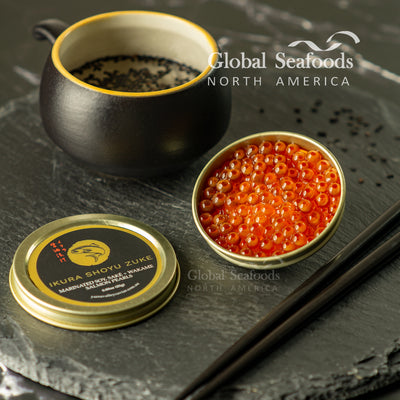
Ikura refers to the salmon eggs, or roe, that are processed and lightly salted to enhance their flavor and preserve their freshness. Known for their characteristic "pop" and briny, buttery taste, ikura is a staple in Japanese cuisine and is gaining popularity worldwide.
Key Characteristics of Ikura:
- Appearance: Bright orange or red translucent pearls.
- Flavor: Briny and rich with a hint of sweetness.
- Texture: Firm but delicate, with a satisfying burst when eaten.
2. Health Benefits of Ikura
Ikura isn't just indulgent; it's packed with nutrients that support a healthy lifestyle.
Why Ikura is a Superfood:
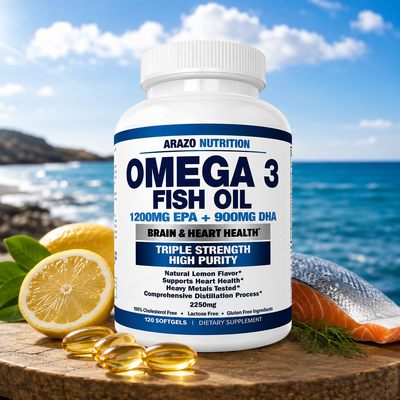
- Omega-3 Fatty Acids: Supports heart, brain, and joint health.
- High-Quality Protein: Aids muscle growth and repair.
- Rich in Vitamins: Contains Vitamin D, B12, and selenium for immunity and bone health.
- Astaxanthin: A powerful antioxidant that gives ikura its vibrant color and helps combat oxidative stress.
According to Harvard Health Publishing, foods rich in Omega-3 fatty acids, like ikura, are essential for reducing inflammation and promoting cardiovascular health.
3. How to Select the Best Ikura
Not all ikura is created equal. To enjoy the best flavor and quality, it's essential to know what to look for when shopping.
Tips for Choosing High-Quality Ikura:
- Color: Vibrant orange or red, indicating freshness.
- Texture: Firm, unbroken pearls with a glossy appearance.
- Source: Choose sustainably harvested ikura from reputable suppliers.
Top Ikura Products to Try:
- Chum Salmon Caviar: Large eggs with a robust flavor.
- Coho Salmon Caviar: A rich and buttery choice.
- Trout Red Caviar: Slightly smaller eggs with a sweeter profile.
Explore more premium red caviar options at the Global Seafoods Red Caviar Collection.
4. How to Properly Store Ikura
Storing ikura correctly is crucial to preserving its flavor and freshness.
Storage Guidelines:
- Refrigeration: Keep ikura in an airtight container in the fridge at 32°F to 39°F.
- Consume Quickly: Once opened, ikura should be consumed within 3-5 days.
- Freezing: For longer storage, freeze ikura in a vacuum-sealed bag or airtight container for up to three months.
Pro Tip:
Thaw frozen ikura slowly in the refrigerator to maintain its texture and taste. Never thaw at room temperature or in the microwave.
5. Serving Ikura Like a Gourmet Chef
Ikura's versatility makes it ideal for a variety of dishes, from traditional Japanese cuisine to modern fusion recipes.
Creative Ways to Serve Ikura:
- On Sushi: Use ikura as a topping for nigiri or sushi rolls.
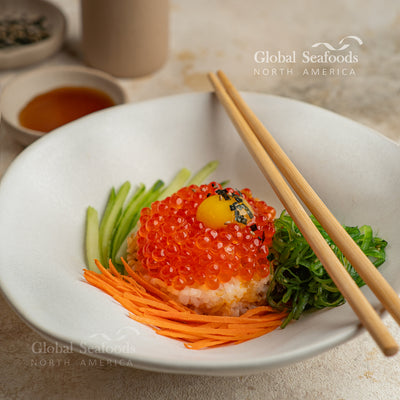
- Over Rice: Pair with steamed rice and seaweed for a classic Japanese donburi.
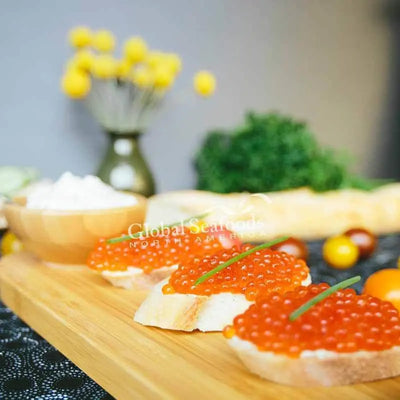
- On Toast: Spread cream cheese on toast and top with ikura and fresh herbs.
- In Salads: Add ikura to greens, avocado, and a tangy vinaigrette for a luxurious touch.
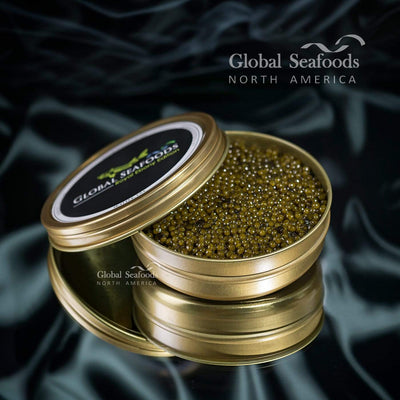
For a unique experience, try the Bloody Shiraz Infused Caviar for a modern flavor twist.
6. Cooking with Ikura: Gourmet Recipes
Ikura can elevate simple meals into gourmet masterpieces.
Recipe Ideas Featuring Ikura:
A. Ikura Sushi Rolls- Ingredients: Sushi rice, nori, ikura, cucumber, and avocado.
- Instructions: Assemble sushi rolls with your favorite fillings and top with a generous spoonful of ikura.
B. Ikura Pasta
- Ingredients: Spaghetti, olive oil, garlic, ikura, and lemon zest.
- Instructions: Toss cooked spaghetti with olive oil and garlic, then garnish with ikura and lemon zest for a luxurious finish.
C. Ikura Canapés
- Ingredients: Blinis, sour cream, ikura, and dill.
- Instructions: Spread sour cream on blinis, add a spoonful of ikura, and garnish with dill for an elegant appetizer.
For more ikura recipes, visit the Global Seafoods YouTube Channel.
7. Pairing Ikura with Drinks and Accompaniments
Pairing ikura with the right drinks and sides can enhance its flavor.
Perfect Pairings:
- Drinks: Champagne, sake, or vodka.
- Accompaniments: Unsalted crackers, sour cream, or soft cheeses.
- Herbs: Dill, parsley, or chives for a refreshing contrast.
8. Sustainability and Ikura Production
As the demand for ikura grows, sustainable practices are vital for preserving marine ecosystems.
How to Support Sustainable Ikura:
- Choose suppliers who prioritize responsible fishing practices, such as Global Seafoods.
- Look for certifications like MSC (Marine Stewardship Council) to ensure ethical sourcing.
Supporting sustainability ensures that ikura remains available for generations to come.
9. Frequently Asked Questions About Ikura
Q1: Is ikura the same as regular caviar?
No. Ikura refers specifically to salmon roe, while traditional caviar comes from sturgeon.
Q2: How long does ikura last?
Unopened ikura can last up to three months in the refrigerator. Once opened, consume within 3-5 days.
Q3: Can I freeze ikura?
Yes. Freezing is a great way to extend ikura's shelf life without compromising quality.
Q4: Is ikura healthy?
Absolutely! It's a rich source of Omega-3 fatty acids, protein, and essential vitamins.
Q5: Where can I buy the best ikura?
Shop premium options at Global Seafoods.
Ikura, with its rich history, nutritional benefits, and luxurious flavor, offers endless possibilities for gourmet dining. Whether you're enjoying it on sushi or experimenting with creative recipes, mastering the art of ikura is a journey worth taking.
For more seafood tips, recipes, and inspiration, explore the Global Seafoods YouTube Channel.

Related Products


Also in News

Snail Caviar: How White Escargot Caviar Is Farmed, Harvested and Made

The Dark Years of Pacific Salmon: A 20-Year Outlook for Alaska, Russia, and the Red Caviar Market

King Crab Legs Delivery: Is It Worth It? Exploring the Benefits and Best Options
Shop Now
Main
