
10 Reasons Why Silver Salmon Is the Best Catch of the Season

10 Reasons Why Silver Salmon Is the Best Catch of the Season
Silver salmon (coho salmon, Oncorhynchus kisutch) is one of the most prized Pacific salmon species -- celebrated for its mild, clean flavor, impressive nutritional profile, and versatility in the kitchen. Here are ten reasons why silver salmon deserves a place at the top of your seafood list this season.
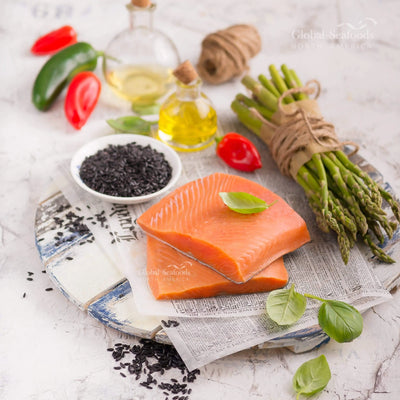
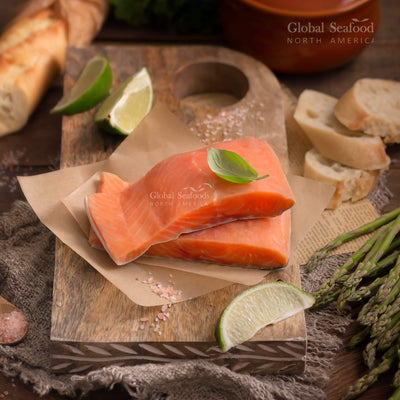
Coho Salmon Fillet Portions | Salmon Collection
Global Seafoods YouTube Channel
1. What Is Silver Salmon?
Silver salmon (coho) is a mid-size Pacific salmon species native to the North Pacific, from California to Alaska and across to Japan. It is identifiable by its bright silver skin (which gives it the name), reddish-pink flesh, and distinctive black spots on the upper body. Coho is smaller than Chinook (king) salmon but larger than pink or chum, and occupies a middle ground in terms of fat content and flavor intensity -- milder and less fatty than Chinook, richer and more flavorful than pink.
2. Unmatched Flavor Profile
Silver salmon has a mild, clean flavor with a slightly sweet finish -- less intense than Chinook or sockeye, but with more character than pink salmon. Its moderate fat content produces a moist, tender texture that holds up well to grilling, baking, pan-searing, and poaching. This balance of flavor and fat makes it one of the most versatile salmon species for home cooking.
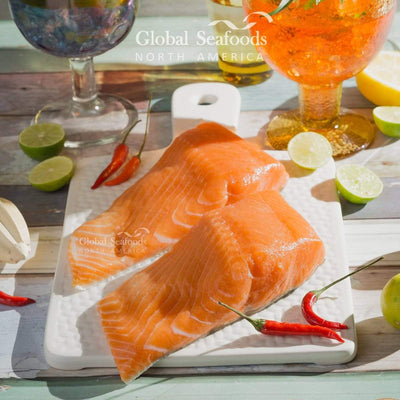
Silver Salmon at Global Seafoods
3. High Nutritional Value
Silver salmon is a nutritional powerhouse. A 3.5 oz (100g) serving provides approximately:
- Omega-3 fatty acids (EPA + DHA): ~1.0-1.5g -- supports heart and brain health.
- Protein: ~20-22g -- essential for muscle repair and growth.
- Vitamin D: ~400-600 IU -- important for bone health and immune function.
- Vitamin B12: ~3-4 mcg (125-165% of daily value) -- vital for energy and nerve function.
- Selenium: ~35-40 mcg -- antioxidant support.
The American Heart Association recommends eating omega-3-rich fish like salmon at least twice a week for cardiovascular health.
4. Low Mercury Levels
Coho salmon is classified by the FDA as a "best choice" for mercury -- among the lowest-mercury fish available. Because coho are shorter-lived (typically 2-3 years) and lower on the food chain than large predatory fish, they accumulate significantly less mercury. This makes silver salmon a safe choice for pregnant women, nursing mothers, children, and anyone managing mercury intake.
5. Versatile Cooking Options
Silver salmon's moderate fat content and firm texture make it forgiving and adaptable across cooking methods:
- Grilling: High heat produces a lightly charred exterior while keeping the interior moist. Skin-on fillets work best -- the skin protects the flesh and crisps up nicely.
- Baking: 400°F for 12-15 minutes (depending on thickness). Works well with herb crusts, citrus marinades, or miso glazes.
- Pan-searing: Start skin-side down in a hot, dry pan. Cook 3-4 minutes skin-side, 1-2 minutes flesh-side for medium. Pat completely dry before cooking for best browning.
- Poaching or steaming: Gentle methods that preserve delicate flavor and produce a silky texture. Ideal for salads or cold preparations.
6. Sustainability
Wild-caught Alaskan coho salmon is consistently rated as a top sustainable seafood choice. The Monterey Bay Aquarium's Seafood Watch program rates wild-caught Alaskan coho as a "Best Choice" -- the highest sustainability rating -- due to well-managed fisheries, healthy stock levels, and low bycatch. Choosing certified sustainable silver salmon supports healthy fish populations and responsible fishing practices.
Fresh Market Seafood at Global Seafoods
7. Omega-3 Health Benefits
The omega-3 fatty acids (EPA and DHA) in silver salmon support multiple aspects of health:
- Cardiovascular health: Reduce triglycerides, lower blood pressure, and decrease inflammation.
- Brain function: DHA is a structural component of brain tissue; regular intake supports cognitive health and may reduce risk of cognitive decline.
- Eye health: DHA is concentrated in the retina; adequate intake supports vision and may reduce risk of age-related macular degeneration.
- Joint health: EPA's anti-inflammatory properties may reduce joint pain and stiffness.
8. Seasonal Availability and Year-Round Access
Fresh wild coho salmon is typically available from July through November, with peak season in August-October depending on the region. Alaska and the Pacific Northwest produce the largest volumes. Outside of the fresh season, high-quality frozen coho -- particularly IQF (individually quick frozen) fillets -- maintains excellent flavor and texture and is available year-round.
9. Suitable for a Wide Range of Diets
Silver salmon fits naturally into most dietary frameworks:
- Paleo and keto: High protein, healthy fats, zero carbohydrates.
- Gluten-free: Naturally gluten-free.
- Mediterranean diet: Omega-3-rich fish is a cornerstone of the Mediterranean dietary pattern.
- Low-calorie / weight management: High satiety from protein and fat with relatively moderate calorie density (~180-200 kcal per 3.5 oz serving).
- Dairy-free: Naturally dairy-free.
10. Supports Local Fishing Communities
Wild-caught silver salmon from Alaska and the Pacific Northwest supports coastal fishing communities that have depended on salmon runs for generations. Purchasing wild-caught, sustainably sourced coho contributes directly to the economic stability of these communities and incentivizes responsible fishing practices over industrial aquaculture.
Salmon Collection at Global Seafoods
FAQs
What is silver salmon?
Silver salmon is the common name for coho salmon (Oncorhynchus kisutch), a Pacific salmon species native to the North Pacific. It is prized for its mild, clean flavor, reddish-pink flesh, and moderate fat content.
Is silver salmon high in mercury?
No -- coho salmon is classified by the FDA as a "best choice" for mercury, among the lowest-mercury fish available. Its short lifespan (2-3 years) means it accumulates very little mercury compared to large predatory fish.
When is silver salmon in season?
Fresh wild coho is typically available July through November, with peak season August-October. Frozen coho is available year-round and maintains excellent quality when properly frozen.
Is silver salmon sustainable?
Wild-caught Alaskan coho is rated "Best Choice" by the Monterey Bay Aquarium's Seafood Watch program -- the highest sustainability rating -- due to well-managed fisheries and healthy stock levels.
How does silver salmon compare to other salmon species?
Coho is milder and less fatty than Chinook (king) salmon, richer and more flavorful than pink or chum salmon, and slightly less intense than sockeye. It occupies a middle ground that makes it one of the most versatile salmon species for cooking.



Related Products


Also in News

Snail Caviar: How White Escargot Caviar Is Farmed, Harvested and Made

The Dark Years of Pacific Salmon: A 20-Year Outlook for Alaska, Russia, and the Red Caviar Market

King Crab Legs Delivery: Is It Worth It? Exploring the Benefits and Best Options
Shop Now
Main
