
An Adventurous Journey from Ocean to Table: Exploring Poke and Tuna

The World of Poke and Tuna
From the vast oceans to your dining table, the journey of tuna is one filled with tradition, flavor, and global culinary influence. Tuna, particularly in its raw, unaltered form, is at the heart of poke—a Hawaiian delicacy that has captivated food enthusiasts worldwide.
This guide takes you on a detailed exploration of tuna’s journey, the history and evolution of poke, and expert tips for creating unforgettable poke dishes at home.
Why Tuna is a Global Culinary Treasure
Tuna is revered for its:
- Versatility: Adaptable to raw, grilled, or canned preparations.
- Flavor: Rich yet delicate, making it a canvas for various marinades and spices.
- Nutritional Value: Packed with protein, omega-3 fatty acids, and essential vitamins.
According to the National Oceanic and Atmospheric Administration (NOAA), tuna is one of the most sustainably managed seafood species, ensuring its availability for generations to come.
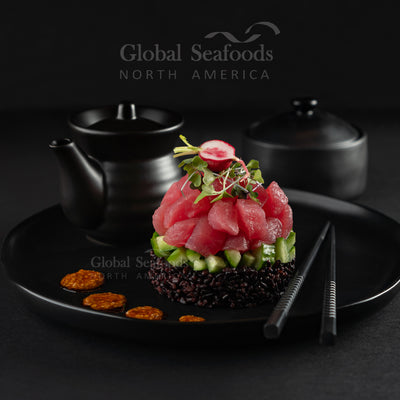
For premium-quality tuna, consider:
The Origins of Poke: A Culinary Tradition Born from the Sea
Poke (pronounced poh-kay) originated in Hawaii as a simple dish made by fishermen. It involved cutting freshly caught fish into small cubes and seasoning it with sea salt, seaweed, and roasted kukui nuts.
As Chef Sam Choy, known as the “Godfather of Poke,” puts it:
“Poke is Hawaii’s soul food—it’s where our culture, the ocean, and our love for fresh, bold flavors meet.”
The Evolution of Poke: From Tradition to Modern Fusion
Poke has evolved into a global phenomenon. Traditional Hawaiian poke remains a favorite, but new variations incorporate influences from Japanese, Korean, and even Mexican cuisines.
Popular styles include:
- Shoyu Poke: Soy sauce-based marinade with green onions and sesame oil.
- Spicy Tuna Poke: Creamy sriracha and mayonnaise blend.
- Citrus Poke: Bright flavors from lemon or lime juice with cilantro and mango.
The Journey of Tuna: From Ocean to Your Table
The path of tuna from ocean to table is a fascinating one:
1. Fishing and Sustainability
- Tuna is caught using methods like pole-and-line and purse seine to ensure sustainability.
- Regulations, such as those by the Marine Stewardship Council (MSC), maintain healthy tuna populations.
2. Processing and Quality Control
- Fresh tuna is flash-frozen on fishing vessels to preserve quality.
- Sushi-grade tuna undergoes rigorous inspection to meet safety standards for raw consumption.
3. Distribution
Tuna is transported to markets worldwide, where buyers select the best cuts based on color, texture, and fat content.
Shop premium sushi-grade tuna here:
How to Choose the Best Tuna for Poke
Selecting the right tuna is essential for crafting the perfect poke dish. Look for:
- Sushi-Grade Label: Ensures the tuna is safe for raw consumption.
- Bright, Vibrant Color: Indicates freshness.
- Firm Texture: Should not feel mushy when pressed.
Recommended Tuna Options
Step-by-Step Recipe: Crafting Your Own Poke Bowl
Ingredients You’ll Need
- Tuna: Choose sushi-grade from Global Seafoods.
- Base: Steamed rice, greens, or quinoa.
- Marinade: Soy sauce, sesame oil, rice vinegar, and honey.
- Toppings: Avocado, cucumber, seaweed, sesame seeds, and pickled ginger.
Instructions
- Dice the Tuna: Cut into uniform cubes.
- Prepare the Marinade: Mix soy sauce, sesame oil, rice vinegar, and optional chili flakes.
- Marinate: Coat the tuna with the marinade and let it sit for 15–20 minutes.
- Assemble: Layer your base, add marinated tuna, and top with garnishes.
Health Benefits of Poke and Tuna
Poke isn’t just delicious—it’s incredibly nutritious:
- High Protein Content: Supports muscle repair and overall energy.
- Rich in Omega-3s: Improves heart health and reduces inflammation.
- Low in Calories: Perfect for maintaining a healthy weight.
The American Heart Association recommends consuming fish like tuna twice a week for optimal health.
FAQs About Poke and Tuna
1. Can I use frozen tuna for poke?
Yes, as long as it’s labeled sushi-grade and thawed properly.
2. What is sushi-grade tuna?
Tuna that has been frozen at ultra-low temperatures to eliminate parasites, making it safe for raw consumption.
3. How long does fresh poke last?
Poke is best enjoyed fresh but can be stored in the fridge for up to 24 hours.
4. What are some alternative proteins for poke?
Cooked shrimp, tofu, or even watermelon make excellent substitutes for tuna.
5. Is poke gluten-free?
Yes, as long as you use tamari instead of soy sauce for the marinade.
Serving Suggestions for Poke
- Pair poke bowls with miso soup or seaweed salad for a complete meal.
- Serve as an appetizer with taro chips or crispy wonton crackers.
- Enjoy with a light, citrusy drink like sparkling water or sake.
Explore More with Global Seafoods
For more inspiration and culinary tips, visit the Global Seafoods YouTube Channel. Discover recipes, tutorials, and the secrets to mastering seafood dishes at home.
Conclusion
The journey of tuna from ocean to table and its transformation into poke is a testament to the beauty of culinary tradition and innovation. Whether you’re creating a classic poke bowl or experimenting with modern flavors, the key lies in high-quality tuna and fresh ingredients.
Start your poke journey today with premium products from Global Seafoods. From ahi to bluefin, your perfect poke awaits!

Related Products


Also in News

Snail Caviar: How White Escargot Caviar Is Farmed, Harvested and Made

The Dark Years of Pacific Salmon: A 20-Year Outlook for Alaska, Russia, and the Red Caviar Market

King Crab Legs Delivery: Is It Worth It? Exploring the Benefits and Best Options
Shop Now
Main
