
Exploring Seafood: From the Depths of the Ocean to Coastal Waters

Exploring Seafood: From the Deep Sea
Seafood lovers often enjoy a wide variety of flavors and textures without considering the origins of their favorite dishes. From the mysterious depths of the ocean to the sunlit shallows of coastal waters, the world of seafood offers an extraordinary diversity. Understanding these ecosystems can deepen your appreciation of seafood while promoting sustainable choices.
This comprehensive guide explores seafood species found in different aquatic habitats, their ecological roles, and how to bring their unique flavors to your plate.
Deep-Sea Delicacies: Treasures from the Depths
The deep sea is home to unique seafood species that thrive in cold, dark waters. These species often have rich, buttery flavors and are prized by chefs worldwide.
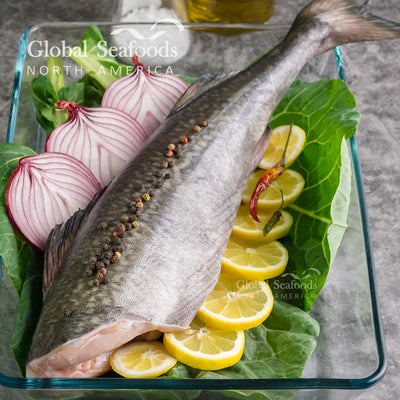
1. Black Cod (Sablefish)
- Habitat: Found in the cold depths of the North Pacific Ocean.
- Flavor Profile: Buttery, melt-in-your-mouth texture with a mild sweetness.
- Best Cooking Methods: Miso-glazed, smoked, or poached.
Order premium black cod for your next gourmet meal.
2. Chilean Sea Bass
- Habitat: Deep, cold waters of the Southern Ocean.
- Flavor Profile: Rich and flaky, often compared to lobster in taste.
- Sustainability Note: Look for MSC-certified options to ensure responsible sourcing.
3. Giant Squid
- Habitat: Found at depths of 2,000 feet or more in the Atlantic and Pacific Oceans.
- Flavor Profile: Tender and mildly sweet when prepared properly.
- Culinary Uses: Grilled, fried, or as calamari.
Mid-Water Marvels: Seafood from the Open Ocean
Mid-water habitats are rich in species that migrate vertically in search of food. These versatile fish are staples in many cuisines.
1. Tuna
- Habitat: Open oceans, migrating between temperate and tropical waters.
- Popular Varieties: Yellowfin, bluefin, and skipjack.
- Cooking Ideas: Sushi, grilled steaks, or canned for convenience.
2. Mahi-Mahi
- Habitat: Warm tropical and subtropical waters.
- Flavor Profile: Firm, slightly sweet, and versatile.
- Best Preparation: Grilled, blackened, or in tacos.
3. Sardines
- Habitat: Found in large schools in temperate waters.
- Nutritional Benefits: High in omega-3s, calcium, and vitamin D.
- Cooking Tips: Best grilled, smoked, or canned for easy meals.
Coastal Cuisine: Shallow-Water Treasures
Shallow waters and coastal areas are teeming with seafood that is both delicious and sustainable.
1. Oysters
- Habitat: Intertidal zones along coastlines.
- Flavor Profile: Briny and creamy, with regional flavor differences.
- Best Served: Raw on the half-shell or baked with cheese and herbs.
Explore premium oysters and shellfish.
2. Clams and Mussels
- Habitat: Sandy and muddy seabeds in shallow waters.
- Culinary Uses: Steamed with garlic butter, in chowders, or as pasta toppings.
3. Red King Crab
- Habitat: Coastal waters of Alaska and Russia.
- Flavor Profile: Sweet, tender, and succulent.
- Preparation Ideas: Steamed, baked, or in decadent crab cakes.
Discover premium red king crab for special occasions.
Sustainability and Seafood: A Shared Responsibility
Choosing seafood responsibly helps maintain marine biodiversity and ensures long-term availability.
Key Tips for Sustainable Choices
- Look for Certifications: Seek products with MSC or ASC labels.
- Buy Locally: Reduce your carbon footprint by sourcing local seafood.
- Diversify Your Diet: Explore underutilized species to reduce pressure on popular stocks.
Explore sustainable options like sturgeon black caviar and red caviar.
Cooking Tips for Seafood from Different Habitats
1. Deep-Sea Seafood
- Use bold marinades to complement the rich flavors.
- Cook gently to preserve the tender texture.
2. Mid-Water Species
- Grill or pan-sear for a smoky flavor.
- Experiment with citrus-based marinades.
3. Coastal Treasures
- Steam or bake with herbs for a simple preparation.
- Pair with buttery or creamy sauces for indulgence.
FAQs About Seafood from Different Habitats
1. What's the difference between deep-sea and shallow-water seafood?
Deep-sea species are typically richer and more buttery, while shallow-water seafood tends to be brinier and lighter.
2. How do I ensure my seafood is sustainably sourced?
Look for eco-labels like MSC and ASC, or shop from trusted retailers like Global Seafoods.
3. What are some beginner-friendly seafood to try?
Start with salmon, shrimp, or tilapia, as they are easy to cook and widely available.
4. Can I freeze seafood without losing quality?
Yes, freezing preserves freshness if done promptly and correctly.
Conclusion
From the mysterious depths of the ocean to the sunlit shallows, seafood offers an unparalleled variety of flavors and textures. Exploring species from different habitats not only enriches your culinary repertoire but also supports sustainable fishing practices.
Shop our wide selection of seafood, including frozen fish and caviar. For recipes and cooking inspiration, visit our YouTube channel.
Related Products


Also in News

Snail Caviar: How White Escargot Caviar Is Farmed, Harvested and Made

The Dark Years of Pacific Salmon: A 20-Year Outlook for Alaska, Russia, and the Red Caviar Market

King Crab Legs Delivery: Is It Worth It? Exploring the Benefits and Best Options
Shop Now
Main
